
Browse by Genre
Industrial Music / Industrial Metal / Aggro Industrial / Electro Metal
Industrial Noise / Power Noise / Harsh Noise
Synth Pop / Electro Pop / Synth-Electronica
Techno / Trance / Goa / Drum'n'Bass / Jungle / Tribal / Trip-Hop
Ambient / Electronica / Ethereal / Dub / Soundscapes / Abstract
Experimental / Avantgarde / Weird & Wired / Glitch / Noise / Field Recording
Dark / Gothic / Wave / New Wave / Dark Wave / Industrial Gothic
New Music / Downtown / Avantgarde Jazz / New Classical / World
Search Reviews
Music Reviews
She Spread Sorrow & Luca Sigurtà: The Grimorian Tapes
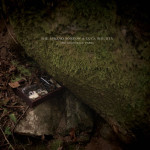
Artist: She Spread Sorrow & Luca Sigurtà (@)
Title: The Grimorian Tapes
Format: CD + Download
Label: Helen Scarsdale (@)
Rated:

Title: The Grimorian Tapes
Format: CD + Download
Label: Helen Scarsdale (@)
Rated:
She Spread Sorrow & Luca Sigurtà’s "The Grimorian Tapes" (Helen Scarsdale Agency, May232025) is a ritual in sound - a half-whispered séance that invites you into the half-lit corridors of the occult, cloaked in crystalline dread. From the moment Alice Kundalini intones “Don’t be scared by death”, her voice slithers through tape loops and creaking drones, setting the tone for an album that feels both intimate and unsettlingly vast.
Informed by the lineage of Coil, Psychic TV, and Current 93, this Italian death-industrial duo excavates esoteric rites with a restrained precision that resists the fatiguing extremity often found in the genre. Instead of unleashing sheer noise, they lean into atmosphere: fragmented tape melodies, half-memories pitched unevenly, and Kundalini’s vocals - sometimes murmured, sometimes guttural, sometimes spiraling into chant - become the incantations that bind each track’s shadows.
Drawing inspiration from "The Black Pullet", an 18th-century grimoire on talismans and alchemy, "The Grimorian Tapes" is more than narration - it’s invocation. Yet Kundalini doesn’t pretend to be a witch; she’s more like a linguist deciphering a dead language, guided by symbols and resonance rather than spectacle.
Tracks like “grimoire”, “initiatory”, and “dharani” unfold like incantatory movements: ritual acts before an invisible altar. There’s humor in the precision - a sort of sonic stagecraft that reminds you this is performance, even as it approaches authenticity. For every hiss and spool unwind, you feel the craft: Luca Sigurtà’s electronics shadow Kundalini’s voice, grounding the ritual in tactile tension.
One of the album's triumphs is its ability to immerse without drowning. The tension is maintained - rarely overbearing - with just enough space for the listener to question if they’re hearing a séance or simply their own heartbeat echoing back.
If some listeners find the whispered delivery too distant, "The Grimorian Tapes" offers rewards: repeat listens reveal hidden layers, subtle shifts in tone, and a persistent drama that doesn’t demand attention - it earns it.
In a world awash with gothic clichés and faux-occult posturing, She Spread Sorrow & Sigurtà have crafted something thoughtful and uncanny. This is death-positive without romanticizing demise; ritualistic without moralizing. Think of it as a grimoire in audio form - where the spells are sonic, and the binding agent is your own curiosity.
Verdict: A finely wrought dark ritual. Not noise for noise’s sake, but ceremony in sound: unsettling, minimal, and compellingly deliberate. If you’re curious about the grammar of shadows, this LP parses it line by line.
Informed by the lineage of Coil, Psychic TV, and Current 93, this Italian death-industrial duo excavates esoteric rites with a restrained precision that resists the fatiguing extremity often found in the genre. Instead of unleashing sheer noise, they lean into atmosphere: fragmented tape melodies, half-memories pitched unevenly, and Kundalini’s vocals - sometimes murmured, sometimes guttural, sometimes spiraling into chant - become the incantations that bind each track’s shadows.
Drawing inspiration from "The Black Pullet", an 18th-century grimoire on talismans and alchemy, "The Grimorian Tapes" is more than narration - it’s invocation. Yet Kundalini doesn’t pretend to be a witch; she’s more like a linguist deciphering a dead language, guided by symbols and resonance rather than spectacle.
Tracks like “grimoire”, “initiatory”, and “dharani” unfold like incantatory movements: ritual acts before an invisible altar. There’s humor in the precision - a sort of sonic stagecraft that reminds you this is performance, even as it approaches authenticity. For every hiss and spool unwind, you feel the craft: Luca Sigurtà’s electronics shadow Kundalini’s voice, grounding the ritual in tactile tension.
One of the album's triumphs is its ability to immerse without drowning. The tension is maintained - rarely overbearing - with just enough space for the listener to question if they’re hearing a séance or simply their own heartbeat echoing back.
If some listeners find the whispered delivery too distant, "The Grimorian Tapes" offers rewards: repeat listens reveal hidden layers, subtle shifts in tone, and a persistent drama that doesn’t demand attention - it earns it.
In a world awash with gothic clichés and faux-occult posturing, She Spread Sorrow & Sigurtà have crafted something thoughtful and uncanny. This is death-positive without romanticizing demise; ritualistic without moralizing. Think of it as a grimoire in audio form - where the spells are sonic, and the binding agent is your own curiosity.
Verdict: A finely wrought dark ritual. Not noise for noise’s sake, but ceremony in sound: unsettling, minimal, and compellingly deliberate. If you’re curious about the grammar of shadows, this LP parses it line by line.
Ludwig Berger & Vadret Da Morteratsch: crying glacier

Artist: Ludwig Berger & Vadret Da Morteratsch (@)
Title: crying glacier
Format: LP
Label: Forms of Minutiae (@)
Rated:
Title: crying glacier
Format: LP
Label: Forms of Minutiae (@)
Rated:
There are records you play, and records that play you. "crying glacier" does both - like a stethoscope to the Earth’s slowly beating heart, it doesn't just whisper, it auscultates. This is an album that listens for you, like a kind friend holding your wrist and counting your pulse with ancient patience.
Recorded over seven years by Ludwig Berger in deep dialogue with the Morteratsch Glacier in the Swiss Alps, "crying glacier" is no romantic ode to icy wilderness - it’s an ecological requiem, part field diary, part sonic séance. The real co-author here isn’t human at all: Vadret da Morteratsch melts, groans, bubbles, fizzes, and breaks apart with heartbreaking clarity. We’re not witnessing the soundtrack of ice - we’re hearing its autobiography in real time.
Each track feels like an act of translation: not of language, but of presence.
“On a Different Scale” opens with miniature sounds - droplets like Morse code tapped by retreating ghosts - hinting that the scale we must shift isn’t just spatial, but moral.
“Someone, Not Something” is the emotional pivot, where Berger’s long companionship with the glacier starts to seep through the crackling ice: a sense of intimacy forged not through conquest, but co-presence. This isn't nature as spectacle - it's nature as relative. As kin.
And then there’s “The More Alive He Seems, the More He is Dying” - a cruel paradox only glacial time can stage. Here, water dances frenetically, joyfully, like a child skipping rope - until you realize it’s a death rattle masked as a lullaby.
The glacier speaks in riddles: drips, groans, sudden subterranean claps like doors slammed in ancient halls. At times, it mumbles like a moss-covered synthesizer; at others, it hisses like a kettle of ghosts. Berger, wisely, does not try to dominate this language - he simply lowers the microphone, quiets his own presence, and lets Vadret da Morteratsch speak itself into being.
“What the Valley Will Sound Like”, the closing track, might be the most chilling of all. There is no more ice. No more voice. Just the leftovers: birdsong, insects, airplane motors - a dystopian Eden. It’s not an end, but a coda in a different key: a planet rearranging its throat after losing one of its oldest tongues.
Berger - known for attuning to the murmurs of insects, plants, and architectures - has long worked in the margins of hearing. But here, with "crying glacier", he shifts from passive listening to urgent advocacy. There’s a gentle but unflinching ethical core in this work: "what happens when we realize the land is not just landscape, but interlocutor?"
This album doesn’t tell you to act. It doesn’t plead, or shame. It simply opens your ears wider than you knew possible and says: "listen". And once you’ve heard a glacier weep - really heard it - you won’t mistake the silence that follows as peace.
Verdict: A slow-motion elegy sung in frozen tongues, "crying glacier" is a poetic and piercing meditation on loss, listening, and the ghostly beauty of things that melt. Bring headphones. Bring time. Bring reverence.
Recorded over seven years by Ludwig Berger in deep dialogue with the Morteratsch Glacier in the Swiss Alps, "crying glacier" is no romantic ode to icy wilderness - it’s an ecological requiem, part field diary, part sonic séance. The real co-author here isn’t human at all: Vadret da Morteratsch melts, groans, bubbles, fizzes, and breaks apart with heartbreaking clarity. We’re not witnessing the soundtrack of ice - we’re hearing its autobiography in real time.
Each track feels like an act of translation: not of language, but of presence.
“On a Different Scale” opens with miniature sounds - droplets like Morse code tapped by retreating ghosts - hinting that the scale we must shift isn’t just spatial, but moral.
“Someone, Not Something” is the emotional pivot, where Berger’s long companionship with the glacier starts to seep through the crackling ice: a sense of intimacy forged not through conquest, but co-presence. This isn't nature as spectacle - it's nature as relative. As kin.
And then there’s “The More Alive He Seems, the More He is Dying” - a cruel paradox only glacial time can stage. Here, water dances frenetically, joyfully, like a child skipping rope - until you realize it’s a death rattle masked as a lullaby.
The glacier speaks in riddles: drips, groans, sudden subterranean claps like doors slammed in ancient halls. At times, it mumbles like a moss-covered synthesizer; at others, it hisses like a kettle of ghosts. Berger, wisely, does not try to dominate this language - he simply lowers the microphone, quiets his own presence, and lets Vadret da Morteratsch speak itself into being.
“What the Valley Will Sound Like”, the closing track, might be the most chilling of all. There is no more ice. No more voice. Just the leftovers: birdsong, insects, airplane motors - a dystopian Eden. It’s not an end, but a coda in a different key: a planet rearranging its throat after losing one of its oldest tongues.
Berger - known for attuning to the murmurs of insects, plants, and architectures - has long worked in the margins of hearing. But here, with "crying glacier", he shifts from passive listening to urgent advocacy. There’s a gentle but unflinching ethical core in this work: "what happens when we realize the land is not just landscape, but interlocutor?"
This album doesn’t tell you to act. It doesn’t plead, or shame. It simply opens your ears wider than you knew possible and says: "listen". And once you’ve heard a glacier weep - really heard it - you won’t mistake the silence that follows as peace.
Verdict: A slow-motion elegy sung in frozen tongues, "crying glacier" is a poetic and piercing meditation on loss, listening, and the ghostly beauty of things that melt. Bring headphones. Bring time. Bring reverence.
Debasser: Done EP

Debasser’s new EP "Done" is a high-voltage time capsule that crashes the 2000s into 2025 - think rewound Big Beat, warped UK Bass, kinetic breaks and electro all gleaming beneath a polished yet playful sheen. As Wide Records' 40th release, this trio of tracks is a celebration and a deliberate reset, authored by a scene pioneer who’s never forgotten how to dance the line between nostalgia and innovation.
The title track, “Done”, is classic Debasser: wobbling subbass rumbles, stuttering bleeps, and syncopated beats that feel like stumbling out of a long night in bruised triumph. It’s darker than your average rave anthem, yet baked in tongueincheek production flourishes - a crowdpleaser for dancers and latenight philosophers alike.
“Slim Chance” shifts gears, reviving that Brighton boutique 00s soul-breaks crossover. Loopdriven samples rub up against chopped breakbeats, lined with a bass that heads straight for the floor. If "Done" is the EP’s reckless younger sibling, "Slim Chance" is the one wearing sleek designer jackets and whispering in your ear at 2a.m.
Finally, “Old” offers a selfaware closer: a slower tempo, electrobass tribute to anyone who’s aged out of fashion but not fire. Low-end pads thicken like molasses, punctuated with highpitched blips and vocal fragments that feel simultaneously nostalgic and urgent. It’s the sober afterthought of the night before - still buzzing, just wiser.
Debasser’s pedigree is no secret. He cut his teeth in the early 2000s: first releases picked up by DiscoD, then NovaMute through Richie Hawtin. He’s tangled with Weatherall’s Haywire crew, spun on Radio1, and surfed genre waves between jungle, techno, UKG, house - you name it. "Done" encapsulates that genre-bending ethos in under sixteen minutes, absent any stylistic debt.
What strikes most is his uncanny ability to provoke nostalgia without redundancy. Each track nods backward - to breaks, to soulsample flips, to wobbly basslines - yet feels freshly urgent, modern in distortion, clarity, and punch. That balance between rollback and reinvention is where "Done" earns its legs.
If you're craving a shortcut to a primeval daze - the sound of clubbing as both ritual and reflection - this EP delivers. It won’t just resurrect latenight sensations; it will recalibrate them.
Verdict: Loud, warped, and wickedly witty. Debasser reminds us that being “done” can mean never being finished.
The title track, “Done”, is classic Debasser: wobbling subbass rumbles, stuttering bleeps, and syncopated beats that feel like stumbling out of a long night in bruised triumph. It’s darker than your average rave anthem, yet baked in tongueincheek production flourishes - a crowdpleaser for dancers and latenight philosophers alike.
“Slim Chance” shifts gears, reviving that Brighton boutique 00s soul-breaks crossover. Loopdriven samples rub up against chopped breakbeats, lined with a bass that heads straight for the floor. If "Done" is the EP’s reckless younger sibling, "Slim Chance" is the one wearing sleek designer jackets and whispering in your ear at 2a.m.
Finally, “Old” offers a selfaware closer: a slower tempo, electrobass tribute to anyone who’s aged out of fashion but not fire. Low-end pads thicken like molasses, punctuated with highpitched blips and vocal fragments that feel simultaneously nostalgic and urgent. It’s the sober afterthought of the night before - still buzzing, just wiser.
Debasser’s pedigree is no secret. He cut his teeth in the early 2000s: first releases picked up by DiscoD, then NovaMute through Richie Hawtin. He’s tangled with Weatherall’s Haywire crew, spun on Radio1, and surfed genre waves between jungle, techno, UKG, house - you name it. "Done" encapsulates that genre-bending ethos in under sixteen minutes, absent any stylistic debt.
What strikes most is his uncanny ability to provoke nostalgia without redundancy. Each track nods backward - to breaks, to soulsample flips, to wobbly basslines - yet feels freshly urgent, modern in distortion, clarity, and punch. That balance between rollback and reinvention is where "Done" earns its legs.
If you're craving a shortcut to a primeval daze - the sound of clubbing as both ritual and reflection - this EP delivers. It won’t just resurrect latenight sensations; it will recalibrate them.
Verdict: Loud, warped, and wickedly witty. Debasser reminds us that being “done” can mean never being finished.
Ships In The Night: Protection Spells

Artist: Ships In The Night (@)
Title: Protection Spells
Format: CD + Download
Label: Metropolis (@)
Rated:

Title: Protection Spells
Format: CD + Download
Label: Metropolis (@)
Rated:
Alethea Leventhal’s "Protection Spells", released May 2nd on Metropolis Records under her Ships In The Night moniker, is an atmospheric dark-pop incantation that marries gothic synthwave with emotional ritual. A Charlottesville/NYC-based multi-instrumentalist, Leventhal channels her inner witch - the album’s core theme is emotional protection. It unfolds through ten tracks, beginning with the anthemic “Blood Harmony”, a self-described incantation meant to shield and reclaim empowerment, and “Some Of Those Dreams”, its dream-pop predecessor.
Sonically, "Protection Spells" spins like a nocturnal lucid dream: shimmering synth washes ride on taut, kinetic rhythms, lush enough to seduce but always anchored by a kind of moody resolve. Leventhal’s production balances polish and rawness - her voice glides between whispered vulnerability and assertive chant, setting up tracks like “Inside” or “Wells of Pain” that sound like cinematic vignettes about self-war and selfcare. There’s a surprising warmth amid the gothic shadows - a reminder that dark pop can both haunt and heal.
This is the artist’s third full-length, following "Myriologues" (2017) and "Latent Powers" (2021), and it reveals a deepening narrative arc: from grief to empowerment to ritualized self-preservation. The album even drops a cover - "Enjoy the Silence" - a nod to Depeche Mode’s influence, here played not as homage but as part of Leventhal’s own mythic language of stillness and sanctuary.
Critical responses see "Protection Spells" as a balm for troubling times - Electrowelt called it “a balm for a harrowing age”, while early reviews emphasize its “bewitching heights” and emotional ambition. Its nods to witch house, dream pop, and darkwave are expected, but the album is anchored by Leventhal’s songwriting and sound design - which summon strength without abandoning mystery.
There’s even drama in the rollout: the release was celebrated with a David Lynch–themed “Black Lodge Ball”, a fittingly surreal container for Leventhal’s cinematic approach. And with a Wave-Gotik-Treffen appearance on the horizon, she's stepping confidently into the goth-electronic central stage.
"Protection Spells" is not just a collection of songs - it’s a soundtrack for emotional resilience. It weaves ritual, atmosphere, and pop songwriting into a cohesive spell meant to empower, reassure, and maybe even stun. In a time when vulnerability often feels like exposure, Leventhal offers protection - and beauty - in equal measure.
In short: darkly luminescent, emotionally sophisticated, witchy without the winks - a record that feels like it was meant as much to heal its creator as to cast a spell over its listeners.
Sonically, "Protection Spells" spins like a nocturnal lucid dream: shimmering synth washes ride on taut, kinetic rhythms, lush enough to seduce but always anchored by a kind of moody resolve. Leventhal’s production balances polish and rawness - her voice glides between whispered vulnerability and assertive chant, setting up tracks like “Inside” or “Wells of Pain” that sound like cinematic vignettes about self-war and selfcare. There’s a surprising warmth amid the gothic shadows - a reminder that dark pop can both haunt and heal.
This is the artist’s third full-length, following "Myriologues" (2017) and "Latent Powers" (2021), and it reveals a deepening narrative arc: from grief to empowerment to ritualized self-preservation. The album even drops a cover - "Enjoy the Silence" - a nod to Depeche Mode’s influence, here played not as homage but as part of Leventhal’s own mythic language of stillness and sanctuary.
Critical responses see "Protection Spells" as a balm for troubling times - Electrowelt called it “a balm for a harrowing age”, while early reviews emphasize its “bewitching heights” and emotional ambition. Its nods to witch house, dream pop, and darkwave are expected, but the album is anchored by Leventhal’s songwriting and sound design - which summon strength without abandoning mystery.
There’s even drama in the rollout: the release was celebrated with a David Lynch–themed “Black Lodge Ball”, a fittingly surreal container for Leventhal’s cinematic approach. And with a Wave-Gotik-Treffen appearance on the horizon, she's stepping confidently into the goth-electronic central stage.
"Protection Spells" is not just a collection of songs - it’s a soundtrack for emotional resilience. It weaves ritual, atmosphere, and pop songwriting into a cohesive spell meant to empower, reassure, and maybe even stun. In a time when vulnerability often feels like exposure, Leventhal offers protection - and beauty - in equal measure.
In short: darkly luminescent, emotionally sophisticated, witchy without the winks - a record that feels like it was meant as much to heal its creator as to cast a spell over its listeners.
Dream Sequence feat. Blake Baxter: Endless Reflection
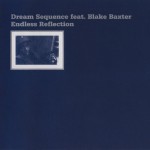
Artist: Dream Sequence feat. Blake Baxter
Title: Endless Reflection
Format: Download Only (MP3 + Lossless)
Label: Tresor (@)
Rated:
Title: Endless Reflection
Format: Download Only (MP3 + Lossless)
Label: Tresor (@)
Rated:
Dream Sequence feat. Blake Baxter’s "Endless Reflection" (Tresor, 1995) makes its long-awaited digital return - and it’s less a dusty archive and more a genre time capsule, crackling with the raw energy of mid90s Detroit techno reshaped in Berlin’s vaults. Blake Baxter, a Detroit originator linked to Underground Resistance and KMS, revisits his second Tresor album with fresh ears, reactivating a classic collection for modern dancefloors.
The opening title track, "Dream Sequence", still feels like you’ve been flung into a neon haze - handbuilt 909 drums, acid-tinged synth stabs, and Baxter’s signature seductive vocals hovering between intimacy and incantation. It’s vintage Detroit techno, but with a Berlin twist: crisp, cavernous, more observatory than overtly aggressive. Tracks like "Kiss It" and "Pump It" lean into dancefloor immediacy - low-slung grooves built on funkinfluenced heft - while "Endless Reflection", the centerpiece, demonstrates Baxter’s ability to balance euphoria and restraint in four minutes of melodic hypnosis.
There are moments that retain canonical Detroit warmth - "Luv Is Blind" offers soulful brevity - while wetter, clubby textures on "Energizer" and "Theme Song" lean hard into the era’s ravebottom aesthetic. "Drum Major" flips it by sampling a speech from MLK Jr. - a dose of rhetorical gravity amidst the groove. "Modulation" closes things in a swift, almost postproduction micropause, a wink of experimental closure.
Online buzz about this digital reissue remains muted - some note that Baxter’s later work better refined his voice, and a few underground notes grumble that "Endless Reflection" can feel ofitstime, a little dated. But that’s precisely its charm: it isn’t overly polished. It feels like the sound of raw ideas, studio experiments, and gestural performances, sausagemachinecut with authentic sweat and unfinished edges.
What stands out most on this retrospective is its contextual resonance: the album is a milestone in the BerlinDetroit dialogue, released after Baxter’s original Tresor appearance in ’92 and part of a lineage that shaped techno globally . And Tresor’s carefully curated relaunch and forthcoming 12″ "Dream Sequence X" show that these tracks aren’t dusty relics - they’re blueprints.
"Endless Reflection" is not just nostalgia - it’s a sonic fossil that still radiates heat. Its juxtaposition of dubby space, analog warmth, and emotive synth lines makes it both a historical artifact and an emotional engine. It’s danceable, yes, but more importantly, it’s a historical conversation dressed in groove - Detroit politics, Berlin acoustics, mid90s techno ethos.
If you’ve never journeyed through Baxter’s discography, this is a fine middle chapter - less refined than later classics, but richer for its rawness. And if you’re a longtime fan, it’s a welcome digital resurrection that reminds you why this era mattered: when techno was still clanging doors open, not just filling rooms.
The opening title track, "Dream Sequence", still feels like you’ve been flung into a neon haze - handbuilt 909 drums, acid-tinged synth stabs, and Baxter’s signature seductive vocals hovering between intimacy and incantation. It’s vintage Detroit techno, but with a Berlin twist: crisp, cavernous, more observatory than overtly aggressive. Tracks like "Kiss It" and "Pump It" lean into dancefloor immediacy - low-slung grooves built on funkinfluenced heft - while "Endless Reflection", the centerpiece, demonstrates Baxter’s ability to balance euphoria and restraint in four minutes of melodic hypnosis.
There are moments that retain canonical Detroit warmth - "Luv Is Blind" offers soulful brevity - while wetter, clubby textures on "Energizer" and "Theme Song" lean hard into the era’s ravebottom aesthetic. "Drum Major" flips it by sampling a speech from MLK Jr. - a dose of rhetorical gravity amidst the groove. "Modulation" closes things in a swift, almost postproduction micropause, a wink of experimental closure.
Online buzz about this digital reissue remains muted - some note that Baxter’s later work better refined his voice, and a few underground notes grumble that "Endless Reflection" can feel ofitstime, a little dated. But that’s precisely its charm: it isn’t overly polished. It feels like the sound of raw ideas, studio experiments, and gestural performances, sausagemachinecut with authentic sweat and unfinished edges.
What stands out most on this retrospective is its contextual resonance: the album is a milestone in the BerlinDetroit dialogue, released after Baxter’s original Tresor appearance in ’92 and part of a lineage that shaped techno globally . And Tresor’s carefully curated relaunch and forthcoming 12″ "Dream Sequence X" show that these tracks aren’t dusty relics - they’re blueprints.
"Endless Reflection" is not just nostalgia - it’s a sonic fossil that still radiates heat. Its juxtaposition of dubby space, analog warmth, and emotive synth lines makes it both a historical artifact and an emotional engine. It’s danceable, yes, but more importantly, it’s a historical conversation dressed in groove - Detroit politics, Berlin acoustics, mid90s techno ethos.
If you’ve never journeyed through Baxter’s discography, this is a fine middle chapter - less refined than later classics, but richer for its rawness. And if you’re a longtime fan, it’s a welcome digital resurrection that reminds you why this era mattered: when techno was still clanging doors open, not just filling rooms.