
Saturday, August 29, 2026
Barabba: Primo Tempo
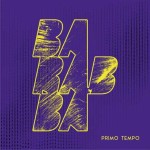


Another release buried by tons of other stuff, that missed to get into my headphones and inspire some words. Better later than never! From the moment you hit play on "Primo Tempo", the debut album by the Italian trio Barabba, you get the distinct feeling that you're stepping into an eccentric cinematic universe — one where melancholic humor and biting introspection dance together awkwardly, but with undeniable chemistry. This six-track collection is a rollercoaster ride through the psyche, featuring everything from sardonic musings on self-identity to wry observations about the absurdity of life. It's like eavesdropping on a particularly philosophical conversation at a dingy bar, where the lights are dim and the air is thick with a smoky, existential haze.
The album’s opener, “Un Altro”, immediately sets the tone with its desire to be “another” — a sentiment that anyone who’s ever looked in the mirror and sighed can relate to. The lyrics oscillate between self-deprecation and a strange kind of defiant pride, as if Barabba is saying, “Sure, I might be a mess, but at least I’m my mess.” The song is a perfect introduction to the band’s ironic and choosy lyrical style, where every word seems to be carefully selected for maximum impact, yet delivered with a casual shrug that suggests they don’t really care if you get it or not.
Moving on to “Bastare a me stesso”, featuring Paco Sangrado and Serena Abrami, the mood deepens. The track’s exploration of loneliness and self-sufficiency feels like a late-night confession, shared after one too many drinks. The contrast between the yearning lyrics and the slightly detached delivery creates a delicious tension—Barabba seems almost amused by their own misery, as if they’re fully aware of the melodrama and leaning into it with a smirk. It’s a bit like if Morrissey suddenly developed a sense of humor, and it’s absolutely delightful.
“Momo”, with its baritone sax contributions from Tommaso Uncini, injects a jazzy unease into the mix, capturing the jittery energy of a protagonist constantly on the run—from demons, from himself, or maybe from the weight of his own thoughts. It’s here that Barabba’s cinematic aspirations come into full view, with the track playing out like a noir thriller, where the hero is forever trapped in a shadowy world of his own making.
When you reach “Quei Due”, featuring Giovanni Succi and lyrics by Marco Drago, the album takes a turn into darker, more introspective territory. This is Barabba at their most poignant, reflecting on past relationships with a mix of wistfulness and resigned acceptance. The song captures the awkwardness of running into an old flame—both the nostalgia for what was and the stark realization of why it didn’t last. The collaboration with Succi is a masterstroke, adding an extra layer of emotional complexity to the track.
The album closes with “Bianco Natale”, a sardonic twist on the traditional holiday sentiment. It’s a perfect encapsulation of Barabba’s ability to take something familiar and turn it on its head, revealing the bitter truths hidden beneath the surface. If you’ve ever found yourself rolling your eyes at the forced cheerfulness of the holiday season, this track will resonate with you on a deep, almost uncomfortable level.
In terms of production, Riccardo Franconi and Nicola Amici have crafted an album that feels raw yet polished, with every note and effect serving to enhance the lyrical content rather than overshadow it. The guest contributions are seamlessly integrated, adding variety without distracting from the trio’s core vision.
"Primo Tempo" is an album that feels both intimate and grand — a paradox that Barabba navigates with remarkable skill. It’s the sound of a band unafraid to expose their vulnerabilities, yet fully aware of the absurdity of it all. Fans of Italian indie music with a taste for the ironic and the introspective will find much to love here. For those new to Barabba, this album is a perfect introduction — a “primo tempo” that promises even more depth and complexity in whatever follows.
In a music landscape often dominated by polished but empty and often banal productions, "Primo Tempo" stands out as a refreshing reminder that sometimes, the best art comes from simply telling it like it is — albeit with a knowing wink and a sly grin.
The album’s opener, “Un Altro”, immediately sets the tone with its desire to be “another” — a sentiment that anyone who’s ever looked in the mirror and sighed can relate to. The lyrics oscillate between self-deprecation and a strange kind of defiant pride, as if Barabba is saying, “Sure, I might be a mess, but at least I’m my mess.” The song is a perfect introduction to the band’s ironic and choosy lyrical style, where every word seems to be carefully selected for maximum impact, yet delivered with a casual shrug that suggests they don’t really care if you get it or not.
Moving on to “Bastare a me stesso”, featuring Paco Sangrado and Serena Abrami, the mood deepens. The track’s exploration of loneliness and self-sufficiency feels like a late-night confession, shared after one too many drinks. The contrast between the yearning lyrics and the slightly detached delivery creates a delicious tension—Barabba seems almost amused by their own misery, as if they’re fully aware of the melodrama and leaning into it with a smirk. It’s a bit like if Morrissey suddenly developed a sense of humor, and it’s absolutely delightful.
“Momo”, with its baritone sax contributions from Tommaso Uncini, injects a jazzy unease into the mix, capturing the jittery energy of a protagonist constantly on the run—from demons, from himself, or maybe from the weight of his own thoughts. It’s here that Barabba’s cinematic aspirations come into full view, with the track playing out like a noir thriller, where the hero is forever trapped in a shadowy world of his own making.
When you reach “Quei Due”, featuring Giovanni Succi and lyrics by Marco Drago, the album takes a turn into darker, more introspective territory. This is Barabba at their most poignant, reflecting on past relationships with a mix of wistfulness and resigned acceptance. The song captures the awkwardness of running into an old flame—both the nostalgia for what was and the stark realization of why it didn’t last. The collaboration with Succi is a masterstroke, adding an extra layer of emotional complexity to the track.
The album closes with “Bianco Natale”, a sardonic twist on the traditional holiday sentiment. It’s a perfect encapsulation of Barabba’s ability to take something familiar and turn it on its head, revealing the bitter truths hidden beneath the surface. If you’ve ever found yourself rolling your eyes at the forced cheerfulness of the holiday season, this track will resonate with you on a deep, almost uncomfortable level.
In terms of production, Riccardo Franconi and Nicola Amici have crafted an album that feels raw yet polished, with every note and effect serving to enhance the lyrical content rather than overshadow it. The guest contributions are seamlessly integrated, adding variety without distracting from the trio’s core vision.
"Primo Tempo" is an album that feels both intimate and grand — a paradox that Barabba navigates with remarkable skill. It’s the sound of a band unafraid to expose their vulnerabilities, yet fully aware of the absurdity of it all. Fans of Italian indie music with a taste for the ironic and the introspective will find much to love here. For those new to Barabba, this album is a perfect introduction — a “primo tempo” that promises even more depth and complexity in whatever follows.
In a music landscape often dominated by polished but empty and often banal productions, "Primo Tempo" stands out as a refreshing reminder that sometimes, the best art comes from simply telling it like it is — albeit with a knowing wink and a sly grin.
Comments
Stream
Browse by Genre
Industrial Music / Industrial Metal / Aggro Industrial / Electro Metal
Industrial Noise / Power Noise / Harsh Noise
Synth Pop / Electro Pop / Synth-Electronica
Techno / Trance / Goa / Drum'n'Bass / Jungle / Tribal / Trip-Hop
Ambient / Electronica / Ethereal / Dub / Soundscapes / Abstract
Experimental / Avantgarde / Weird & Wired / Glitch / Noise / Field Recording
Dark / Gothic / Wave / New Wave / Dark Wave / Industrial Gothic
New Music / Downtown / Avantgarde Jazz / New Classical / World