
Saturday, August 29, 2026
Isik Kural: Moon in Gemini
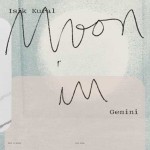


Let’s start with the obvious: "Moon in Gemini" sounds exactly like what you’d expect from an album with such a title. It’s a dreamy, introspective, and slightly puzzling journey - like getting lost in a woodland clearing at dusk, unsure whether to sit and enjoy the twilight or wander aimlessly hoping for a way out. You won’t find a neatly paved path here. No, this album meanders, gently pulls you by the hand, and occasionally leaves you wondering, "Wait, where did we start again?"
Glasgow-based producer Kural, of course, isn't new to this kind of sonic daydreaming. His 2022 release "in february" flirted with a similar slow-motion aesthetic, but here on "Moon in Gemini", the introspection deepens, and the landscape feels more lunar, more pastoral, more - dare I say - Scots-Turkish. Recorded between Amasya and Glasgow, this record sounds exactly like a scrapbook of tender, intimate moments from a musician who’s equally fascinated by field recordings as he is by literary fragments. And for those wondering, yes, the moon "does" feature prominently - metaphorically, of course, but you'll be hearing it in every lull, in every gently plucked string and woozy woodwind.
Opening with the brief "Body of Water", we’re introduced to Kural’s signature ethereal, yet unassuming, sound. It’s not much of an introduction - more like the first few brushstrokes on a watercolor painting that’s slowly coming into focus. This track feels less like a song and more like a prelude to a dream - a motif that recurs throughout the album. But don’t be fooled by the apparent simplicity; "Moon in Gemini" revels in its layers, and it's in this sparse, almost shy minimalism that its real depth lies.
By the time you get to "Prelude", you realize Kural is not in a rush to take you anywhere. And why should he be? Time doesn’t work the same way on this album. The acoustic guitars lazily entwine with hushed vocals, and there’s a sense that if this song wanted to last five more minutes, it could. It probably just couldn’t be bothered. Kural’s vocals hover somewhere between a sigh and a whisper - there’s a fragility to them that echoes the likes of Elliott Smith, but with far less angst. And this is the first clue that "Moon in Gemini" is an album that will sit with you, slowly unfurling its gentle complexities rather than shouting them from the rooftops.
The comparison to Smith is apt, especially as we wade into "Almost a Ghost" and later "Behind the Flowerpots". These tracks are filled with the kind of elliptical lyrics and half-formed thoughts that feel more like eavesdropping on someone’s subconscious than reading a well-penned diary. Smith may have shaped the melancholic groundwork, but Kural has a much softer touch. There’s an innocence here that’s more Aldous Harding than angst-ridden folk hero. And let’s talk about those vocals: this time around, Kural wanted them front and center, and you can hear the newfound confidence. But don’t expect a belter; his voice is like the breeze that comes in through your cracked window, barely noticeable but all the more essential because of it.
Ah, but then we hit the "Interlude". The track’s title might suggest a break, but it’s anything but filler. Here, Kural lets his experimental side take the reins - sparse, with airy instrumentation and fluttering flutes that seem to have been recorded inside a cloud. The influence of ambient music looms large, but not in the cold, austere sense you might associate with the genre. It’s more like watching sunlight filter through trees, knowing the moment won’t last but savoring it all the same.
The second half of the album continues to float through these landscapes of sound. "Gül Sokagi" brings a subtle sense of place, nodding to Kural’s Turkish roots, while "Birds of the Evening" and "Daywarm Birds" provide exactly the kind of soundtrack you’d expect from those titles - lullabies for the in-between hours when the world is quiet, and you’re left alone with your thoughts. The inclusion of natural sounds throughout these tracks feels more integrated than gimmicky. It’s as if Kural’s spent so much time attuning himself to the rhythms of the natural world that they’ve simply become a part of his music-making DNA.
And then there’s "Most Beautiful Imaginary Dialogues", a fitting closer to an album that feels like it’s been having a quiet conversation with itself all along. Kural’s interest in literature is evident here, as it is throughout the album, with echoes of Silvina Ocampo and other literary figures drifting in and out like ghosts. There’s an element of storytelling here, but much like the rest of the album, it’s more about suggestion than exposition. This is Kural’s magic trick: the songs unfold like dreams, offering just enough to keep you interested but never quite revealing everything.
But let’s be clear: "Moon in Gemini" is not for everyone. If you’re looking for something immediate, something with a clear structure or a memorable hook, this album might frustrate you. At times, it feels like Kural is daring you to find the melody, the narrative, the “point”, and when you do, it’s already slipped through your fingers. But for those who are willing to take the time, who can appreciate the gentle beauty in the mundane, "Moon in Gemini" is a rare gem - fragile, yes, but also profound in its quietude.
In a way, "Moon in Gemini" is an anti-album for our time. There are no grand declarations, no explosive climaxes, no TikTok-friendly hooks. Instead, it’s a slow burn, a collection of delicate soundscapes that encourage introspection. And in a world that seems to demand immediate gratification at every turn, Kural’s decision to take his time feels both radical and refreshing.
So, yes, "Moon in Gemini" is for the dreamers, the wanderers, the overthinkers - the kind of people who find themselves entranced by the sound of birds at dusk or the way a rainstorm feels on your skin. It’s an album that asks you to listen closely, to pay attention to the little things, and to embrace the uncertainty of it all. And if that sounds like your cup of tea, well, welcome to Isik Kural’s world.
Glasgow-based producer Kural, of course, isn't new to this kind of sonic daydreaming. His 2022 release "in february" flirted with a similar slow-motion aesthetic, but here on "Moon in Gemini", the introspection deepens, and the landscape feels more lunar, more pastoral, more - dare I say - Scots-Turkish. Recorded between Amasya and Glasgow, this record sounds exactly like a scrapbook of tender, intimate moments from a musician who’s equally fascinated by field recordings as he is by literary fragments. And for those wondering, yes, the moon "does" feature prominently - metaphorically, of course, but you'll be hearing it in every lull, in every gently plucked string and woozy woodwind.
Opening with the brief "Body of Water", we’re introduced to Kural’s signature ethereal, yet unassuming, sound. It’s not much of an introduction - more like the first few brushstrokes on a watercolor painting that’s slowly coming into focus. This track feels less like a song and more like a prelude to a dream - a motif that recurs throughout the album. But don’t be fooled by the apparent simplicity; "Moon in Gemini" revels in its layers, and it's in this sparse, almost shy minimalism that its real depth lies.
By the time you get to "Prelude", you realize Kural is not in a rush to take you anywhere. And why should he be? Time doesn’t work the same way on this album. The acoustic guitars lazily entwine with hushed vocals, and there’s a sense that if this song wanted to last five more minutes, it could. It probably just couldn’t be bothered. Kural’s vocals hover somewhere between a sigh and a whisper - there’s a fragility to them that echoes the likes of Elliott Smith, but with far less angst. And this is the first clue that "Moon in Gemini" is an album that will sit with you, slowly unfurling its gentle complexities rather than shouting them from the rooftops.
The comparison to Smith is apt, especially as we wade into "Almost a Ghost" and later "Behind the Flowerpots". These tracks are filled with the kind of elliptical lyrics and half-formed thoughts that feel more like eavesdropping on someone’s subconscious than reading a well-penned diary. Smith may have shaped the melancholic groundwork, but Kural has a much softer touch. There’s an innocence here that’s more Aldous Harding than angst-ridden folk hero. And let’s talk about those vocals: this time around, Kural wanted them front and center, and you can hear the newfound confidence. But don’t expect a belter; his voice is like the breeze that comes in through your cracked window, barely noticeable but all the more essential because of it.
Ah, but then we hit the "Interlude". The track’s title might suggest a break, but it’s anything but filler. Here, Kural lets his experimental side take the reins - sparse, with airy instrumentation and fluttering flutes that seem to have been recorded inside a cloud. The influence of ambient music looms large, but not in the cold, austere sense you might associate with the genre. It’s more like watching sunlight filter through trees, knowing the moment won’t last but savoring it all the same.
The second half of the album continues to float through these landscapes of sound. "Gül Sokagi" brings a subtle sense of place, nodding to Kural’s Turkish roots, while "Birds of the Evening" and "Daywarm Birds" provide exactly the kind of soundtrack you’d expect from those titles - lullabies for the in-between hours when the world is quiet, and you’re left alone with your thoughts. The inclusion of natural sounds throughout these tracks feels more integrated than gimmicky. It’s as if Kural’s spent so much time attuning himself to the rhythms of the natural world that they’ve simply become a part of his music-making DNA.
And then there’s "Most Beautiful Imaginary Dialogues", a fitting closer to an album that feels like it’s been having a quiet conversation with itself all along. Kural’s interest in literature is evident here, as it is throughout the album, with echoes of Silvina Ocampo and other literary figures drifting in and out like ghosts. There’s an element of storytelling here, but much like the rest of the album, it’s more about suggestion than exposition. This is Kural’s magic trick: the songs unfold like dreams, offering just enough to keep you interested but never quite revealing everything.
But let’s be clear: "Moon in Gemini" is not for everyone. If you’re looking for something immediate, something with a clear structure or a memorable hook, this album might frustrate you. At times, it feels like Kural is daring you to find the melody, the narrative, the “point”, and when you do, it’s already slipped through your fingers. But for those who are willing to take the time, who can appreciate the gentle beauty in the mundane, "Moon in Gemini" is a rare gem - fragile, yes, but also profound in its quietude.
In a way, "Moon in Gemini" is an anti-album for our time. There are no grand declarations, no explosive climaxes, no TikTok-friendly hooks. Instead, it’s a slow burn, a collection of delicate soundscapes that encourage introspection. And in a world that seems to demand immediate gratification at every turn, Kural’s decision to take his time feels both radical and refreshing.
So, yes, "Moon in Gemini" is for the dreamers, the wanderers, the overthinkers - the kind of people who find themselves entranced by the sound of birds at dusk or the way a rainstorm feels on your skin. It’s an album that asks you to listen closely, to pay attention to the little things, and to embrace the uncertainty of it all. And if that sounds like your cup of tea, well, welcome to Isik Kural’s world.
Comments
Stream
Browse by Genre
Industrial Music / Industrial Metal / Aggro Industrial / Electro Metal
Industrial Noise / Power Noise / Harsh Noise
Synth Pop / Electro Pop / Synth-Electronica
Techno / Trance / Goa / Drum'n'Bass / Jungle / Tribal / Trip-Hop
Ambient / Electronica / Ethereal / Dub / Soundscapes / Abstract
Experimental / Avantgarde / Weird & Wired / Glitch / Noise / Field Recording
Dark / Gothic / Wave / New Wave / Dark Wave / Industrial Gothic
New Music / Downtown / Avantgarde Jazz / New Classical / World