
Saturday, August 29, 2026
Pac?me Genty: Hestia
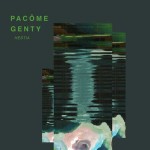


First off, let’s get this straight: "Hestia" is not a flashy record. If you’re looking for the kind of overproduced indie anthems that Arcade Fire would use to open a festival, turn around now. This album isn’t here to shout in your face - no, Pacôme Genty’s latest solo effort is more like that quiet person at the party who sits in the corner, observing everything, waiting for the right moment to drop some profound insight. And when they finally speak, you’re left rethinking your entire life, even if what they said seemed, on the surface, simple.
With "Hestia", Genty has crafted a record that’s both delicate and deliberate, much like the goddess it’s named after. Hestia, after all, isn’t the deity of epic battles or grand gestures - she’s about the hearth, the quiet, sacred fire. And so, in this eight-track collection, Genty has distilled his years of indie rock adventuring into something that feels personal, but with a universality that’s hard to ignore. The man who once tangled with the fiery, post-Arcade Fire crescendos of Erevan Tusk has now turned inward, seeking something more nuanced and reflective.
The album kicks off with “Griselda”, a track that sets the tone for the entire record: dreamy, understated, and tinged with a sense of yearning. Genty’s soft vibrato floats over gentle arpeggios, almost as if he’s singing from the other side of a hazy memory. There’s a sweetness here that feels fragile, yet deeply anchored. The track subtly nods to the likes of Arthur Russell - one of Genty’s clear influences - but stops short of trying to be him. This is the first hint that "Hestia" is a masterclass in restraint, a theme that runs through every track.
Then we slide into “Without”, where Genty’s ability to mix electronics and acoustic instrumentation starts to reveal itself. The beauty of the record lies in its contrasts - where fluttering woodwinds meet electronic drones, and sparse piano chords melt into the warm hum of synthesizers. It’s all very lo-fi, very DIY, but in the best possible way. Think of it like a sonic equivalent to a worn-out sweater: comforting, familiar, but with enough texture to keep things interesting.
By the time “Talk/Walk” rolls around, you start to feel like you’re not just listening to music, but eavesdropping on someone’s personal reflections. Genty’s lyrics are never showy or verbose. He doesn’t have to shout to convey emotion, and instead, he delivers it like someone musing to themselves on a late-night walk. The track meanders (in a good way), with drums from Alexandre Viudès gently pushing it forward like a slow river current. It’s a folk song at its heart, but with just enough psychedelic shimmer to keep you off-balance.
“Minha Querida”, the shortest track on the album, plays like a love letter written in a quiet moment. It’s introspective but not brooding, tender but never saccharine. The use of flutes, courtesy of Arnaud Sèche, adds a cosmic jazz element that gives the song a lightness, making it float rather than dwell. Genty is nothing if not subtle, and his ability to weave disparate influences (from Caetano Veloso to Penguin Cafe Orchestra) into a cohesive whole is on full display here.
But where "Hestia" truly shines is in its use of silence and space. On tracks like “Lonely As A Cloud”, Genty allows the listener to breathe. The production is sparse without feeling empty, and it’s in these spaces where the album’s introspective mood really takes hold. There’s an intimacy to the way the songs are arranged - you can almost hear the air between the notes, like Genty recorded the entire thing in the middle of a quiet forest, with only the rustling leaves as his audience. It’s the kind of record where every sound feels intentional, every layer of reverb has a purpose.
“Saint Elmo” continues the album’s soft exploration of melancholic beauty. Here, Genty channels the understated elegance of artists like Cass McCombs or perhaps even Fennesz, though without the glitchy abrasiveness. It’s wistful, but not mournful, like watching the sunset while knowing it’ll rise again tomorrow. It’s a perfect example of how Genty manages to inject a sense of warmth into his songs without veering into sentimentality. You never feel manipulated, but rather invited into his world.
Closing track “Modesty” is the album’s most abstract moment. A shimmering instrumental, it brings together elements of ambient music with delicate guitar work, a final sigh of contentment after a journey of introspection. Here, Genty allows his experimental side to take center stage, but again, without ever losing the thread of his more grounded songwriting. It’s an outro that feels like an epilogue, a quiet reflection on everything that came before.
"Hestia" is not an album that’s going to grab you by the collar and demand your attention. Instead, it waits patiently for you to come to it. There’s an emotional depth here that reveals itself slowly, but for those willing to take the time, it’s a rewarding listen. It’s the sound of an artist who has found his place, both literally (his lair in G'tinais, where much of the album was simmered) and metaphorically. After years of wandering through the realms of indie rock, psych-folk, and experimental pop, Genty seems to have arrived at a kind of quiet contentment.
Sure, you can hear shades of his influences - Arthur Russell, Band of Horses, Animal Collective's electronic experiments - but this is very much Genty’s world, a place where woodsmoke drifts lazily through the air, where each note is played with the care of someone who understands that sometimes less is more. It’s not an album that’s going to change the world, but maybe that’s the point. "Hestia" is a reminder that sometimes, all you need is a quiet fire to keep you warm.
With "Hestia", Genty has crafted a record that’s both delicate and deliberate, much like the goddess it’s named after. Hestia, after all, isn’t the deity of epic battles or grand gestures - she’s about the hearth, the quiet, sacred fire. And so, in this eight-track collection, Genty has distilled his years of indie rock adventuring into something that feels personal, but with a universality that’s hard to ignore. The man who once tangled with the fiery, post-Arcade Fire crescendos of Erevan Tusk has now turned inward, seeking something more nuanced and reflective.
The album kicks off with “Griselda”, a track that sets the tone for the entire record: dreamy, understated, and tinged with a sense of yearning. Genty’s soft vibrato floats over gentle arpeggios, almost as if he’s singing from the other side of a hazy memory. There’s a sweetness here that feels fragile, yet deeply anchored. The track subtly nods to the likes of Arthur Russell - one of Genty’s clear influences - but stops short of trying to be him. This is the first hint that "Hestia" is a masterclass in restraint, a theme that runs through every track.
Then we slide into “Without”, where Genty’s ability to mix electronics and acoustic instrumentation starts to reveal itself. The beauty of the record lies in its contrasts - where fluttering woodwinds meet electronic drones, and sparse piano chords melt into the warm hum of synthesizers. It’s all very lo-fi, very DIY, but in the best possible way. Think of it like a sonic equivalent to a worn-out sweater: comforting, familiar, but with enough texture to keep things interesting.
By the time “Talk/Walk” rolls around, you start to feel like you’re not just listening to music, but eavesdropping on someone’s personal reflections. Genty’s lyrics are never showy or verbose. He doesn’t have to shout to convey emotion, and instead, he delivers it like someone musing to themselves on a late-night walk. The track meanders (in a good way), with drums from Alexandre Viudès gently pushing it forward like a slow river current. It’s a folk song at its heart, but with just enough psychedelic shimmer to keep you off-balance.
“Minha Querida”, the shortest track on the album, plays like a love letter written in a quiet moment. It’s introspective but not brooding, tender but never saccharine. The use of flutes, courtesy of Arnaud Sèche, adds a cosmic jazz element that gives the song a lightness, making it float rather than dwell. Genty is nothing if not subtle, and his ability to weave disparate influences (from Caetano Veloso to Penguin Cafe Orchestra) into a cohesive whole is on full display here.
But where "Hestia" truly shines is in its use of silence and space. On tracks like “Lonely As A Cloud”, Genty allows the listener to breathe. The production is sparse without feeling empty, and it’s in these spaces where the album’s introspective mood really takes hold. There’s an intimacy to the way the songs are arranged - you can almost hear the air between the notes, like Genty recorded the entire thing in the middle of a quiet forest, with only the rustling leaves as his audience. It’s the kind of record where every sound feels intentional, every layer of reverb has a purpose.
“Saint Elmo” continues the album’s soft exploration of melancholic beauty. Here, Genty channels the understated elegance of artists like Cass McCombs or perhaps even Fennesz, though without the glitchy abrasiveness. It’s wistful, but not mournful, like watching the sunset while knowing it’ll rise again tomorrow. It’s a perfect example of how Genty manages to inject a sense of warmth into his songs without veering into sentimentality. You never feel manipulated, but rather invited into his world.
Closing track “Modesty” is the album’s most abstract moment. A shimmering instrumental, it brings together elements of ambient music with delicate guitar work, a final sigh of contentment after a journey of introspection. Here, Genty allows his experimental side to take center stage, but again, without ever losing the thread of his more grounded songwriting. It’s an outro that feels like an epilogue, a quiet reflection on everything that came before.
"Hestia" is not an album that’s going to grab you by the collar and demand your attention. Instead, it waits patiently for you to come to it. There’s an emotional depth here that reveals itself slowly, but for those willing to take the time, it’s a rewarding listen. It’s the sound of an artist who has found his place, both literally (his lair in G'tinais, where much of the album was simmered) and metaphorically. After years of wandering through the realms of indie rock, psych-folk, and experimental pop, Genty seems to have arrived at a kind of quiet contentment.
Sure, you can hear shades of his influences - Arthur Russell, Band of Horses, Animal Collective's electronic experiments - but this is very much Genty’s world, a place where woodsmoke drifts lazily through the air, where each note is played with the care of someone who understands that sometimes less is more. It’s not an album that’s going to change the world, but maybe that’s the point. "Hestia" is a reminder that sometimes, all you need is a quiet fire to keep you warm.
Comments
Stream
Browse by Genre
Industrial Music / Industrial Metal / Aggro Industrial / Electro Metal
Industrial Noise / Power Noise / Harsh Noise
Synth Pop / Electro Pop / Synth-Electronica
Techno / Trance / Goa / Drum'n'Bass / Jungle / Tribal / Trip-Hop
Ambient / Electronica / Ethereal / Dub / Soundscapes / Abstract
Experimental / Avantgarde / Weird & Wired / Glitch / Noise / Field Recording
Dark / Gothic / Wave / New Wave / Dark Wave / Industrial Gothic
New Music / Downtown / Avantgarde Jazz / New Classical / World