
Tuesday, October 13, 2026
Nico van Wersch: Psychose
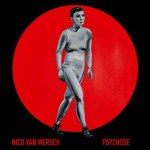


Nico van Wersch's "Psychose" thrusts listeners into a mesmerizing, feverish soundscape where polyrhythms, drones, and microtonal chords blend into a throbbing auditory trance. Known for his intricate theater scores with director Ulrich Rasche, this album - third in his Deutsche Theater Berlin trilogy - feels like a visceral, electric experience rather than mere music. It pulses like the human body under pressure, oscillating between overwhelming and intimate, between clarity and chaos. You can almost feel the performers fighting against the driving machinery of sound.
"Psychose" conjures a sonic hallucination, a psychodrama with no clear exit. Like early minimalist pioneers (think Philip Glass’s relentless pacing), van Wersch's compositions stretch the listener’s perception of time. The interplay between drones and rhythmic insistence here goes beyond music - it manipulates the environment, altering the space it fills, turning the mundane into the mystical.
Where this record stands out is its organic fusion of contemporary classical precision with almost industrial electronic elements. The tracks don't follow typical arcs; instead, they unfold, shift, and metamorphose. "Psychose 22" opens with a slow burn, pulling the listener into a dark, subterranean rhythm, while later tracks like "Psychose 3" introduce bursts of harmonic tension that feel like unsettling whispers from the underworld. At its best, "Psychose" feels like being trapped inside a surrealist painting by De Chirico, suspended between calm and threat.
For fans of experimental composers such as Iannis Xenakis or the dense, immersive work of Tim Hecker, "Psychose" is a must-listen. Its unyielding complexity and relentless sonic atmosphere offer no easy resolution, but that's the beauty - it haunts you long after its final echoes fade.
"Psychose" conjures a sonic hallucination, a psychodrama with no clear exit. Like early minimalist pioneers (think Philip Glass’s relentless pacing), van Wersch's compositions stretch the listener’s perception of time. The interplay between drones and rhythmic insistence here goes beyond music - it manipulates the environment, altering the space it fills, turning the mundane into the mystical.
Where this record stands out is its organic fusion of contemporary classical precision with almost industrial electronic elements. The tracks don't follow typical arcs; instead, they unfold, shift, and metamorphose. "Psychose 22" opens with a slow burn, pulling the listener into a dark, subterranean rhythm, while later tracks like "Psychose 3" introduce bursts of harmonic tension that feel like unsettling whispers from the underworld. At its best, "Psychose" feels like being trapped inside a surrealist painting by De Chirico, suspended between calm and threat.
For fans of experimental composers such as Iannis Xenakis or the dense, immersive work of Tim Hecker, "Psychose" is a must-listen. Its unyielding complexity and relentless sonic atmosphere offer no easy resolution, but that's the beauty - it haunts you long after its final echoes fade.
Comments
Stream
Browse by Genre
Industrial Music / Industrial Metal / Aggro Industrial / Electro Metal
Industrial Noise / Power Noise / Harsh Noise
Synth Pop / Electro Pop / Synth-Electronica
Techno / Trance / Goa / Drum'n'Bass / Jungle / Tribal / Trip-Hop
Ambient / Electronica / Ethereal / Dub / Soundscapes / Abstract
Experimental / Avantgarde / Weird & Wired / Glitch / Noise / Field Recording
Dark / Gothic / Wave / New Wave / Dark Wave / Industrial Gothic
New Music / Downtown / Avantgarde Jazz / New Classical / World