
Senza Testa: Pralaya
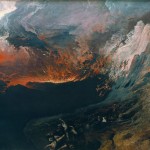


Jonas Rosén has been composing under the alias Senza Testa since 2007, building a two-decade career that leaps between genres and collaborators. Best known for spacious, experimental ambient music, he has worked with the Northern Electronics label and teamed up with diverse artists – from black metal/noise projects like Varg and Bastard Noise, to avant-improv cellist Fred Lonberg-Holm and Swedish singer Mattias Alkberg. This chameleonic background – noise, folk, jazz and electro-acoustic – informs "Pralaya", Rosén’s announced swansong under the Senza Testa name. The album title itself (a Sanskrit term for “dissolution” or the “disappearance of the world”) foreshadows the apocalyptic grandeur of this final chapter.
In interviews and press, Rosén has described "Pralaya" as the final album of Senza Testa, a deliberate “closing of a chapter”. The music has been cast explicitly as a "swansong" – a lament at an apocalyptic horizon. In keeping with its title, "Pralaya" conjures the idea of cosmic dissolution or "katabasis", the world unmaking itself. The two epic tracks (each over 20 minutes long) unfold like audio rituals marking the end of an era. Rosén lets long, unfolding drones and sequences fill the space, giving the impression of vast emptiness slowly reverberating into silence. Ambient textures bleed into one another, evoking wind-scoured tundras or burning embers under a dying sky. There is an unmistakable thread of ""melancholy Swedish folk"" woven into the sound: distant, minor-key melodies and plucked-string-like timbres suggest Nordic ballads half-remembered in the dark. These hints of folk temper the electronics with a human touch, so that even as "Pralaya" drifts into abstract drone, it never loses a sense of wistful finality.
"Pralaya", meaning dissolution of the world, is thus an apt name. The album plays like a slow-motion apocalypse: one can almost imagine a narrative of first light fading, then a long night of introspection. Rather than bombast, it prefers patience and space. In fact, the entire album consists of just "two" lengthy pieces – “Pralaya I” (21:50) and “Pralaya II” (22:35) – each a deep dive into extended ambient soundscapes. This grand, almost Gregorian structure adds to the sense of finality: there are no short soundbites or upbeat singles, only a sustained, meditative farewell.
Stylistically, "Pralaya" sits at the crossroads of "Berlin-School" electronic music and Scandinavian ambient melancholy. Journalistic tags and genre notes even call it “Ambient/Berlin-School”. In practice, this means Rosén uses classic sequencer motifs and analog-synth textures (in the manner of Tangerine Dream or Klaus Schulze) but repurposes them into slower, more solemn music. You’ll hear long, looping patterns that gently drift in and out of phase, the kind of pulsing arpeggio that once conjured space travel, now sounding like ripples on a cold northern lake. These sequencer patterns emerge unexpectedly from the drone field, like mirages of rhythmic life in an otherwise vast soundscape.
Yet "Pralaya" is far from mechanical or clinical. Rosén sprinkles his background in folk and noise throughout: a squall of field noise here, a mournful cello-like synth there, perhaps a single-note melody reminiscent of a coastal fiddle tune. The result is an album that feels both ancient and modern – as if carved from granite and circuitry at once. The Nordic thread gives it a “hint of melancholy Swedish folk” signature. You can almost picture a lone Nyckelharpa (keyed fiddle) echoing across a frosty valley; it never quite appears, but its spirit guides the mood. Even the album’s pacing has a natural, organic arc: calm drones swell like tides, gentle harmonies emerge like dawn light, then fade again. There are moments of surprising warmth – as if the last sunbeam were glinting off machinery – and other moments of uncanny silence (only the hissing of distant electronics). In short, "Pralaya" feels monolithic and hypnotic, yet deeply human – a perfect blend of Rosén’s loves: the meditative side of synth music and the haunting lilt of Swedish melancholia.
True to his DIY ethos, Rosén recorded "Pralaya" in his own Studio Djupvik in September 2024. Every surface detail was sculpted by himself: he mixed the album under the Senza Testa name, carefully balancing raw modular tones with texture and space. Finally, he sent the mix to Berlin’s Scape Mastering, where Stefan Betke (also known as Monolake) gave it a final polish. Betke’s touch is apparent in the album’s rich stereo depth and warm analog warmth – even in its darker moments, nothing ever feels harsh or digital. (It’s a neat meeting of two Swedish-born talents: Rosén crafting the sounds, and Betke perfecting them into vinyl-ready form.)
"Pralaya" was released on March 28, 2025 on Rosén’s own Djupviks Elektronik label. It’s offered as both a digital album and a deluxe 12″ vinyl edition. Vinyl collectors will find a few clever touches: the record comes in a limited “molted rock” colored vinyl, echoing the album’s earthy, elemental themes. The LP is housed in a thick board folder with an obi strip (like an ancient Japanese book), suggesting a tome or artifact rather than a pop album. In short, even the packaging underscores the sense that this is a precious, final statement. (Only 100 copies were pressed in one variant, making it as collectible as it is atmospheric)
In the end, "Pralaya" feels like the closing lines of a long story. Over the course of 44 minutes, Jonas Rosén ties together decades of exploration: the swirling sequencers nod to his ambient past, the lurking drones recall his noise collaborations, and the underlying folk coloration honors his Scandinavian roots. It’s as if he’s saying goodbye not with fireworks but with a carefully-played chord that slowly fades out – profound, mournful, and unexpectedly comforting. Even its length is a statement (two tracks topping 20 minutes each makes it longer than many rock operas or concept albums), so listeners are invited to lose themselves rather than glance at their phones.
In interviews and press, Rosén has described "Pralaya" as the final album of Senza Testa, a deliberate “closing of a chapter”. The music has been cast explicitly as a "swansong" – a lament at an apocalyptic horizon. In keeping with its title, "Pralaya" conjures the idea of cosmic dissolution or "katabasis", the world unmaking itself. The two epic tracks (each over 20 minutes long) unfold like audio rituals marking the end of an era. Rosén lets long, unfolding drones and sequences fill the space, giving the impression of vast emptiness slowly reverberating into silence. Ambient textures bleed into one another, evoking wind-scoured tundras or burning embers under a dying sky. There is an unmistakable thread of ""melancholy Swedish folk"" woven into the sound: distant, minor-key melodies and plucked-string-like timbres suggest Nordic ballads half-remembered in the dark. These hints of folk temper the electronics with a human touch, so that even as "Pralaya" drifts into abstract drone, it never loses a sense of wistful finality.
"Pralaya", meaning dissolution of the world, is thus an apt name. The album plays like a slow-motion apocalypse: one can almost imagine a narrative of first light fading, then a long night of introspection. Rather than bombast, it prefers patience and space. In fact, the entire album consists of just "two" lengthy pieces – “Pralaya I” (21:50) and “Pralaya II” (22:35) – each a deep dive into extended ambient soundscapes. This grand, almost Gregorian structure adds to the sense of finality: there are no short soundbites or upbeat singles, only a sustained, meditative farewell.
Stylistically, "Pralaya" sits at the crossroads of "Berlin-School" electronic music and Scandinavian ambient melancholy. Journalistic tags and genre notes even call it “Ambient/Berlin-School”. In practice, this means Rosén uses classic sequencer motifs and analog-synth textures (in the manner of Tangerine Dream or Klaus Schulze) but repurposes them into slower, more solemn music. You’ll hear long, looping patterns that gently drift in and out of phase, the kind of pulsing arpeggio that once conjured space travel, now sounding like ripples on a cold northern lake. These sequencer patterns emerge unexpectedly from the drone field, like mirages of rhythmic life in an otherwise vast soundscape.
Yet "Pralaya" is far from mechanical or clinical. Rosén sprinkles his background in folk and noise throughout: a squall of field noise here, a mournful cello-like synth there, perhaps a single-note melody reminiscent of a coastal fiddle tune. The result is an album that feels both ancient and modern – as if carved from granite and circuitry at once. The Nordic thread gives it a “hint of melancholy Swedish folk” signature. You can almost picture a lone Nyckelharpa (keyed fiddle) echoing across a frosty valley; it never quite appears, but its spirit guides the mood. Even the album’s pacing has a natural, organic arc: calm drones swell like tides, gentle harmonies emerge like dawn light, then fade again. There are moments of surprising warmth – as if the last sunbeam were glinting off machinery – and other moments of uncanny silence (only the hissing of distant electronics). In short, "Pralaya" feels monolithic and hypnotic, yet deeply human – a perfect blend of Rosén’s loves: the meditative side of synth music and the haunting lilt of Swedish melancholia.
True to his DIY ethos, Rosén recorded "Pralaya" in his own Studio Djupvik in September 2024. Every surface detail was sculpted by himself: he mixed the album under the Senza Testa name, carefully balancing raw modular tones with texture and space. Finally, he sent the mix to Berlin’s Scape Mastering, where Stefan Betke (also known as Monolake) gave it a final polish. Betke’s touch is apparent in the album’s rich stereo depth and warm analog warmth – even in its darker moments, nothing ever feels harsh or digital. (It’s a neat meeting of two Swedish-born talents: Rosén crafting the sounds, and Betke perfecting them into vinyl-ready form.)
"Pralaya" was released on March 28, 2025 on Rosén’s own Djupviks Elektronik label. It’s offered as both a digital album and a deluxe 12″ vinyl edition. Vinyl collectors will find a few clever touches: the record comes in a limited “molted rock” colored vinyl, echoing the album’s earthy, elemental themes. The LP is housed in a thick board folder with an obi strip (like an ancient Japanese book), suggesting a tome or artifact rather than a pop album. In short, even the packaging underscores the sense that this is a precious, final statement. (Only 100 copies were pressed in one variant, making it as collectible as it is atmospheric)
In the end, "Pralaya" feels like the closing lines of a long story. Over the course of 44 minutes, Jonas Rosén ties together decades of exploration: the swirling sequencers nod to his ambient past, the lurking drones recall his noise collaborations, and the underlying folk coloration honors his Scandinavian roots. It’s as if he’s saying goodbye not with fireworks but with a carefully-played chord that slowly fades out – profound, mournful, and unexpectedly comforting. Even its length is a statement (two tracks topping 20 minutes each makes it longer than many rock operas or concept albums), so listeners are invited to lose themselves rather than glance at their phones.
Comments
Stream
Browse by Genre
Industrial Music / Industrial Metal / Aggro Industrial / Electro Metal
Industrial Noise / Power Noise / Harsh Noise
Synth Pop / Electro Pop / Synth-Electronica
Techno / Trance / Goa / Drum'n'Bass / Jungle / Tribal / Trip-Hop
Ambient / Electronica / Ethereal / Dub / Soundscapes / Abstract
Experimental / Avantgarde / Weird & Wired / Glitch / Noise / Field Recording
Dark / Gothic / Wave / New Wave / Dark Wave / Industrial Gothic
New Music / Downtown / Avantgarde Jazz / New Classical / World