
Saturday, August 29, 2026
Dawn of Ashes: Infecting The Scars
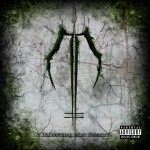
Artist: Dawn of Ashes (@)
Title: Infecting The Scars
Format: CD + Download
Label: Metropolis (@)
Rated:


Title: Infecting The Scars
Format: CD + Download
Label: Metropolis (@)
Rated:
Dawn Of Ashes’ "Infecting the Scars" is that thrilling clash where nostalgia meets reinvention. After tracing a noir-metal path across their "Scars" trilogy, frontman Kristof Bathory pivots smartly back to his foundational aggrotech, yet does so with seasoned finesse - no mere time warp, but a mature refashioning of his own shock doctrine.
From the chilling opener "Intro – Made in Hell", you can sense Bathory’s command of pacing and texture is tighter than ever. The title-track unfolds like a slowly coiling serpent - sinister ambience intertwined with pulses of menace. It’s this ability to sustain dread before the beats drop that separates the album from its genre peers.
On "Bone Saw" (featuring Alien Vampires), the aggression bursts forward - harsh yet never violent for its own sake. Underground EBM energy surges, anchored by industrial grit and Bathory’s trademark haunted vocals. Meanwhile "Hypertensive Crisis" nails the balancing act: a nostalgic nod to early-aughts aggression, repackaged with sleek, cinematic polish.
What stands out is how "Infecting the Scars" rejects any lazy revivalism. Instead of retro kitsch, it embraces depth - sombre layers of atmosphere grounding the adrenaline-fueled rhythms. Tracks like "Masochism" and "Faith Desecration" dive into gloom, while "Visceral Rage" and "Warfare" (yes, truly warfare - though not titled here) runway toward club-ready apocalypse.
This album feels like a sonic ritual - ordeal and exorcism in one lasting package. With lyrics rooted in psychological horror and lines that interrogate inner demons, Bathory isn’t just revisiting his early sound, he's reframing it through a mind stained by experience.
Aggrotech apostles will cheer: this is classic weaponized electro - pounding beats, dystopian synths, and vocals that crawl from the abyss - yet crafted with showmanship and precision. It’s not a museum piece, but a reinvigorated manifesto.
At its core, "Infecting the Scars" is rebirth through the lens of conflict - internal and global. The trio of ambiance, aggression, and artistry cements Bathory's mastery of tension, offering something that feels equally like therapy and warfare. If nostalgia had a dark twin, this would be it - bright, brutal, and beautifully broken.
From the chilling opener "Intro – Made in Hell", you can sense Bathory’s command of pacing and texture is tighter than ever. The title-track unfolds like a slowly coiling serpent - sinister ambience intertwined with pulses of menace. It’s this ability to sustain dread before the beats drop that separates the album from its genre peers.
On "Bone Saw" (featuring Alien Vampires), the aggression bursts forward - harsh yet never violent for its own sake. Underground EBM energy surges, anchored by industrial grit and Bathory’s trademark haunted vocals. Meanwhile "Hypertensive Crisis" nails the balancing act: a nostalgic nod to early-aughts aggression, repackaged with sleek, cinematic polish.
What stands out is how "Infecting the Scars" rejects any lazy revivalism. Instead of retro kitsch, it embraces depth - sombre layers of atmosphere grounding the adrenaline-fueled rhythms. Tracks like "Masochism" and "Faith Desecration" dive into gloom, while "Visceral Rage" and "Warfare" (yes, truly warfare - though not titled here) runway toward club-ready apocalypse.
This album feels like a sonic ritual - ordeal and exorcism in one lasting package. With lyrics rooted in psychological horror and lines that interrogate inner demons, Bathory isn’t just revisiting his early sound, he's reframing it through a mind stained by experience.
Aggrotech apostles will cheer: this is classic weaponized electro - pounding beats, dystopian synths, and vocals that crawl from the abyss - yet crafted with showmanship and precision. It’s not a museum piece, but a reinvigorated manifesto.
At its core, "Infecting the Scars" is rebirth through the lens of conflict - internal and global. The trio of ambiance, aggression, and artistry cements Bathory's mastery of tension, offering something that feels equally like therapy and warfare. If nostalgia had a dark twin, this would be it - bright, brutal, and beautifully broken.
Comments
Stream
Browse by Genre
Industrial Music / Industrial Metal / Aggro Industrial / Electro Metal
Industrial Noise / Power Noise / Harsh Noise
Synth Pop / Electro Pop / Synth-Electronica
Techno / Trance / Goa / Drum'n'Bass / Jungle / Tribal / Trip-Hop
Ambient / Electronica / Ethereal / Dub / Soundscapes / Abstract
Experimental / Avantgarde / Weird & Wired / Glitch / Noise / Field Recording
Dark / Gothic / Wave / New Wave / Dark Wave / Industrial Gothic
New Music / Downtown / Avantgarde Jazz / New Classical / World