
False Figure: Incarnate
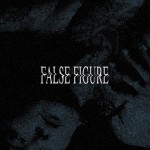
Artist: False Figure (@)
Title: Incarnate
Format: 12" + Download
Label: Cruel Subordination Records
Rated:

Title: Incarnate
Format: 12" + Download
Label: Cruel Subordination Records
Rated:
Post-punk has reached the age where it risks becoming its own taxidermy exhibit. Too many bands lovingly reconstruct the same grey corridors, the same skeletal basslines, the same emotionally unavailable men staring at rain through industrial windows as if they personally invented disappointment. Fortunately, Incarnate by False Figure avoids that particular museum-piece syndrome by remembering something essential: anger still has a pulse, melancholy still sweats, and politics become much more convincing when attached to actual human wounds rather than fashionable eyeliner geometry.
Released through their label Cruel Subordination Records, "Incarnate" arrives from Oakland carrying the familiar DNA of darkwave and post-punk, yet refusing to remain trapped inside genre nostalgia. The band clearly understands the tradition they inhabit, but they approach it less as retro reenactment and more as emotional infrastructure: a language for processing anxiety, manipulation, social violence, emotional exhaustion, and the slow corrosion of trust in both institutions and people.
The opening “Intro” functions like a gathering storm rather than a standalone composition, setting a tense emotional atmosphere before “Original Sin” erupts with one of the album’s strongest moments. The track balances rock wave rhythm work with a bleak lyrical perspective that feels simultaneously personal and societal. The imagery of seduction, decay, blame, and moral collapse evokes a world where destruction has become ambient background noise. Yet the song never collapses into theatrical nihilism. False Figure understand that genuine despair rarely arrives dramatically; more often it seeps slowly into daily life like damp through concrete.
Musically, the band sits somewhere between classic deathrock sharpness, darker strains of modern post-punk, and flashes of coldwave atmosphere, but without sounding overly curated by algorithmic goth playlists. There are traces of Asylum Party in the melodic sensibility, echoes of early industrial tension, and occasionally the emotional directness of darker punk traditions. Still, "Incarnate" feels less interested in aesthetic purity than emotional momentum.
“Favorite Game” shifts inward toward toxic relational dynamics, and it does so with a kind of bitter clarity that avoids melodrama. The lyrics dissect manipulation with unnerving simplicity, while the instrumentation maintains a restless propulsion underneath. The recurring sensation across the album is movement. Even when songs dwell on paralysis, betrayal, or grief, the band refuses stagnation. The emotional states remain unstable, unresolved, alive.
That sense of motion becomes one of "Incarnate"’s greatest strengths. Many contemporary post-punk albums flatten themselves into a single monochrome mood for forty-five minutes, mistaking consistency for depth. False Figure instead allow emotional contradictions to coexist. “Deseos” introduces vulnerability and exhaustion without sacrificing tension, while “Flowers in Bloom” briefly softens the sonic edges into something almost mournfully romantic.
Almost.
Because even at its gentlest, the album carries splinters under the skin.
“Flowers in Bloom” may be one of the record’s emotional high points. Its imagery of barren gardens, tenderness turning bitter, and love decomposing into memory taps into a deeply human exhaustion. The track understands that failed intimacy leaves behind strange archaeological layers. Relationships do not disappear cleanly; they linger as emotional debris scattered around ordinary life. Human beings spend years learning communication only to weaponize it creatively inside romantic relationships. Evolution remains a work in progress.
Then comes “Say Nothing”, where the album’s simmering political undercurrent fully ignites. The track channels rage toward systemic violence, social control, and institutional brutality without descending into slogan-heavy simplicity. Crucially, the anger feels earned. False Figure avoid the trap of performative radicalism because the emotional tension has already been building throughout the record. Personal trauma and political collapse are shown as interconnected systems rather than separate themes.
The urgency here recalls moments from politically conscious punk and industrial traditions, but filtered through contemporary exhaustion. The song sounds less like triumphant rebellion and more like people realizing they have been cornered for too long.
“Hand of Malice” and “Fields of Woe” deepen the album’s haunted atmosphere, leaning into dread and existential fatigue. There is an especially effective use of pacing throughout the record; shorter tracks prevent the emotional density from becoming oppressive while maintaining narrative continuity. The sequencing feels deliberate, almost cinematic in how moods bleed into one another.
The inclusion of “Julia”, originally by Asylum Party, is particularly revealing. Rather than functioning as nostalgic homage, the cover highlights False Figure’s understanding of emotional minimalism within coldwave traditions. They preserve the fragile melancholy of the original while integrating it naturally into the album’s broader emotional architecture.
Closing track “Trepidation” leaves the listener suspended between paranoia, ideological manipulation, and social fragmentation. Its repeated question, “What’s it like having your mind made up for you?”, lands with uncomfortable relevance in an era where outrage itself has become industrialized. The imagery of marching boots and fear-stricken crowds never feels historically distant. "Incarnate" recognizes how quickly societies normalize cruelty once exhaustion overtakes empathy.
What ultimately makes this album interesting is not innovation in the abstract sense. False Figure are not trying to reinvent post-punk from scratch. Instead, they revitalize it emotionally. They remember that this music originally emerged from fracture, alienation, political anxiety, and bodily tension, not merely from carefully curated vintage aesthetics and monochrome Instagram filters.
"Incarnate" breathes because its wounds still feel open. Beneath the chorus pedals, driving basslines, and nocturnal atmosphere lies something increasingly rare: sincerity sharp enough to cut through style itself.
A dark, bruised, and surprisingly human record, then. Music for sleepless cities, collapsing certainties, and all the people still trying to locate fragments of dignity while the world keeps asking them to become numb instead.
Released through their label Cruel Subordination Records, "Incarnate" arrives from Oakland carrying the familiar DNA of darkwave and post-punk, yet refusing to remain trapped inside genre nostalgia. The band clearly understands the tradition they inhabit, but they approach it less as retro reenactment and more as emotional infrastructure: a language for processing anxiety, manipulation, social violence, emotional exhaustion, and the slow corrosion of trust in both institutions and people.
The opening “Intro” functions like a gathering storm rather than a standalone composition, setting a tense emotional atmosphere before “Original Sin” erupts with one of the album’s strongest moments. The track balances rock wave rhythm work with a bleak lyrical perspective that feels simultaneously personal and societal. The imagery of seduction, decay, blame, and moral collapse evokes a world where destruction has become ambient background noise. Yet the song never collapses into theatrical nihilism. False Figure understand that genuine despair rarely arrives dramatically; more often it seeps slowly into daily life like damp through concrete.
Musically, the band sits somewhere between classic deathrock sharpness, darker strains of modern post-punk, and flashes of coldwave atmosphere, but without sounding overly curated by algorithmic goth playlists. There are traces of Asylum Party in the melodic sensibility, echoes of early industrial tension, and occasionally the emotional directness of darker punk traditions. Still, "Incarnate" feels less interested in aesthetic purity than emotional momentum.
“Favorite Game” shifts inward toward toxic relational dynamics, and it does so with a kind of bitter clarity that avoids melodrama. The lyrics dissect manipulation with unnerving simplicity, while the instrumentation maintains a restless propulsion underneath. The recurring sensation across the album is movement. Even when songs dwell on paralysis, betrayal, or grief, the band refuses stagnation. The emotional states remain unstable, unresolved, alive.
That sense of motion becomes one of "Incarnate"’s greatest strengths. Many contemporary post-punk albums flatten themselves into a single monochrome mood for forty-five minutes, mistaking consistency for depth. False Figure instead allow emotional contradictions to coexist. “Deseos” introduces vulnerability and exhaustion without sacrificing tension, while “Flowers in Bloom” briefly softens the sonic edges into something almost mournfully romantic.
Almost.
Because even at its gentlest, the album carries splinters under the skin.
“Flowers in Bloom” may be one of the record’s emotional high points. Its imagery of barren gardens, tenderness turning bitter, and love decomposing into memory taps into a deeply human exhaustion. The track understands that failed intimacy leaves behind strange archaeological layers. Relationships do not disappear cleanly; they linger as emotional debris scattered around ordinary life. Human beings spend years learning communication only to weaponize it creatively inside romantic relationships. Evolution remains a work in progress.
Then comes “Say Nothing”, where the album’s simmering political undercurrent fully ignites. The track channels rage toward systemic violence, social control, and institutional brutality without descending into slogan-heavy simplicity. Crucially, the anger feels earned. False Figure avoid the trap of performative radicalism because the emotional tension has already been building throughout the record. Personal trauma and political collapse are shown as interconnected systems rather than separate themes.
The urgency here recalls moments from politically conscious punk and industrial traditions, but filtered through contemporary exhaustion. The song sounds less like triumphant rebellion and more like people realizing they have been cornered for too long.
“Hand of Malice” and “Fields of Woe” deepen the album’s haunted atmosphere, leaning into dread and existential fatigue. There is an especially effective use of pacing throughout the record; shorter tracks prevent the emotional density from becoming oppressive while maintaining narrative continuity. The sequencing feels deliberate, almost cinematic in how moods bleed into one another.
The inclusion of “Julia”, originally by Asylum Party, is particularly revealing. Rather than functioning as nostalgic homage, the cover highlights False Figure’s understanding of emotional minimalism within coldwave traditions. They preserve the fragile melancholy of the original while integrating it naturally into the album’s broader emotional architecture.
Closing track “Trepidation” leaves the listener suspended between paranoia, ideological manipulation, and social fragmentation. Its repeated question, “What’s it like having your mind made up for you?”, lands with uncomfortable relevance in an era where outrage itself has become industrialized. The imagery of marching boots and fear-stricken crowds never feels historically distant. "Incarnate" recognizes how quickly societies normalize cruelty once exhaustion overtakes empathy.
What ultimately makes this album interesting is not innovation in the abstract sense. False Figure are not trying to reinvent post-punk from scratch. Instead, they revitalize it emotionally. They remember that this music originally emerged from fracture, alienation, political anxiety, and bodily tension, not merely from carefully curated vintage aesthetics and monochrome Instagram filters.
"Incarnate" breathes because its wounds still feel open. Beneath the chorus pedals, driving basslines, and nocturnal atmosphere lies something increasingly rare: sincerity sharp enough to cut through style itself.
A dark, bruised, and surprisingly human record, then. Music for sleepless cities, collapsing certainties, and all the people still trying to locate fragments of dignity while the world keeps asking them to become numb instead.
Comments
Stream
Browse by Genre
Industrial Music / Industrial Metal / Aggro Industrial / Electro Metal
Industrial Noise / Power Noise / Harsh Noise
Synth Pop / Electro Pop / Synth-Electronica
Techno / Trance / Goa / Drum'n'Bass / Jungle / Tribal / Trip-Hop
Ambient / Electronica / Ethereal / Dub / Soundscapes / Abstract
Experimental / Avantgarde / Weird & Wired / Glitch / Noise / Field Recording
Dark / Gothic / Wave / New Wave / Dark Wave / Industrial Gothic
New Music / Downtown / Avantgarde Jazz / New Classical / World