
Browse by Genre
Industrial Music / Industrial Metal / Aggro Industrial / Electro Metal
Industrial Noise / Power Noise / Harsh Noise
Synth Pop / Electro Pop / Synth-Electronica
Techno / Trance / Goa / Drum'n'Bass / Jungle / Tribal / Trip-Hop
Ambient / Electronica / Ethereal / Dub / Soundscapes / Abstract
Experimental / Avantgarde / Weird & Wired / Glitch / Noise / Field Recording
Dark / Gothic / Wave / New Wave / Dark Wave / Industrial Gothic
New Music / Downtown / Avantgarde Jazz / New Classical / World
Search Reviews
Music Reviews
Dééfait: s/t

This EP does not introduce itself. It grabs you by the collar, mutters something in three languages, and drags you into a poorly lit room where repetition is law and volume is a physical condition. "Dééfait" is not interested in charm, balance, or your long-term wellbeing. It is interested in trance. Everything else is optional.
Formed in 2023 and already steeped in sweat and basement acoustics, Dééfait operates somewhere between krautrock’s obsessive forward motion, noise rock’s abrasion, and a kind of decaying psychedelia that smells faintly of ritual smoke and damp concrete. The lineup matters here. Two guitars that don’t negotiate, a bass that thickens the air rather than outlining it, drums that push relentlessly without ever quite settling, and Ric Lara’s voice, which doesn’t sing so much as inhabit multiple states of urgency at once.
The EP unfolds as six extended incantations. These are not songs in the traditional sense. There are no hooks waiting to rescue you, no choruses waving from a safe distance. Instead, each track behaves like a loop under pressure, stretching and deforming until something gives. What breaks is usually avoiding discomfort.
"We Love Each Other So Much That We Won’t Belong To Any Species Anymore" opens the record with a title that already sounds like a manifesto scribbled during a sleepless night. The track itself moves like a collective vow, desire and violence braided together. Love here is not sentimental. It’s corrosive, ecstatic, and oddly tender in its refusal to stay within recognizable forms.
"Molokh" sinks deeper, chewing on sacrifice and chemical imagery with a slow, punishing patience. The guitars feel less like riffs and more like surfaces being scraped. "BONDBONDBOND" tightens the focus, voices tangling and untangling in a sensual spiral that keeps slipping into compulsion. It’s uncomfortable in a deliberate way, like watching something you’re not sure you’re supposed to witness.
On the B-side, "Comatose Big Sun" drags heat and lethargy into the same space, while "Al’Ether" detonates whatever restraint was left. This is where Dééfait sounds closest to a live animal. Rhythms convulse, guitars surge, and the whole thing threatens to collapse under its own momentum, but never quite does. It’s exhausting. It’s effective.
The closer, "Wow! Ferreri Cooked For Us", ends the EP with a dark grin. Words are chewed, spat out, reprocessed. It feels like satire performed with clenched teeth. If this is humor, it’s the kind that laughs while the room is still on fire.
Recorded in a deliberately raw, DIY context and mixed without attempting to civilize it, the sound captures the band’s physical impact rather than polishing it into something respectable. References float around easily, from proto-punk savagery to krautrock repetition and noise extremism, but the EP never feels derivative. It feels inhabited.
Dééfait makes music like a ceremony without doctrine. Masks are inverted, roles dissolve, and repetition becomes both weapon and refuge. This debut doesn’t explain itself, doesn’t justify its intensity, and doesn’t care if you’re ready. It simply insists. And once it’s done, you’re left slightly disoriented, a bit drained, and strangely alert. Which, in this case, counts as success.
Formed in 2023 and already steeped in sweat and basement acoustics, Dééfait operates somewhere between krautrock’s obsessive forward motion, noise rock’s abrasion, and a kind of decaying psychedelia that smells faintly of ritual smoke and damp concrete. The lineup matters here. Two guitars that don’t negotiate, a bass that thickens the air rather than outlining it, drums that push relentlessly without ever quite settling, and Ric Lara’s voice, which doesn’t sing so much as inhabit multiple states of urgency at once.
The EP unfolds as six extended incantations. These are not songs in the traditional sense. There are no hooks waiting to rescue you, no choruses waving from a safe distance. Instead, each track behaves like a loop under pressure, stretching and deforming until something gives. What breaks is usually avoiding discomfort.
"We Love Each Other So Much That We Won’t Belong To Any Species Anymore" opens the record with a title that already sounds like a manifesto scribbled during a sleepless night. The track itself moves like a collective vow, desire and violence braided together. Love here is not sentimental. It’s corrosive, ecstatic, and oddly tender in its refusal to stay within recognizable forms.
"Molokh" sinks deeper, chewing on sacrifice and chemical imagery with a slow, punishing patience. The guitars feel less like riffs and more like surfaces being scraped. "BONDBONDBOND" tightens the focus, voices tangling and untangling in a sensual spiral that keeps slipping into compulsion. It’s uncomfortable in a deliberate way, like watching something you’re not sure you’re supposed to witness.
On the B-side, "Comatose Big Sun" drags heat and lethargy into the same space, while "Al’Ether" detonates whatever restraint was left. This is where Dééfait sounds closest to a live animal. Rhythms convulse, guitars surge, and the whole thing threatens to collapse under its own momentum, but never quite does. It’s exhausting. It’s effective.
The closer, "Wow! Ferreri Cooked For Us", ends the EP with a dark grin. Words are chewed, spat out, reprocessed. It feels like satire performed with clenched teeth. If this is humor, it’s the kind that laughs while the room is still on fire.
Recorded in a deliberately raw, DIY context and mixed without attempting to civilize it, the sound captures the band’s physical impact rather than polishing it into something respectable. References float around easily, from proto-punk savagery to krautrock repetition and noise extremism, but the EP never feels derivative. It feels inhabited.
Dééfait makes music like a ceremony without doctrine. Masks are inverted, roles dissolve, and repetition becomes both weapon and refuge. This debut doesn’t explain itself, doesn’t justify its intensity, and doesn’t care if you’re ready. It simply insists. And once it’s done, you’re left slightly disoriented, a bit drained, and strangely alert. Which, in this case, counts as success.
Gabi Delgado & Marc Hurtado: Neue Weltumfassende Resistance
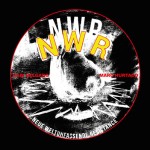
Artist: Gabi Delgado & Marc Hurtado
Title: Neue Weltumfassende Resistance
Format: CD
Label: play loud! (@)
Rated:

Title: Neue Weltumfassende Resistance
Format: CD
Label: play loud! (@)
Rated:
Let’s clear the fog immediately. This long-delayed debut is not a polite archival release, not a museum piece gently dusted off for historical reasons. It is a living, breathing artifact of friction. Sound against word, body against machine, urgency against time. If you were hoping for a neat posthumous tribute wrapped in reverence and safety glass, you are in the wrong room.
"Neue Weltumfassende Resistance" is the audible trace of a dialogue that unfolded across borders, cables, and years. Germany, Spain, France. Emails, files, voices sent into the void and sent back altered. Gabi Delgado and Marc Hurtado were not collaborating in the friendly sense of the word. They were colliding. The project, founded in 2004 and refined through rare but intense physical encounters, works like a 360-degree cinematic drift. Fast, volatile, sometimes graceful, sometimes feral. No map. No master plan. Just motion.
Delgado, permanently etched into history through DAF, always treated minimalism as a weapon. Few words, heavy meaning, bodies forced into attention. Hurtado, with decades of work through Étant Donnés and his solo universe Sol Ixent, approaches sound as ritual, poetry as combustion, art as a total field. Put them together and you do not get compromise. You get exposure.
The album moves like a fractured dream. Short pieces bleed into longer ones. Languages slip past each other. French, German, Spanish coexist without translation, because translation would weaken the spell. Tracks like "Erotique Narcotique" pulse with a tense, narcotic sensuality, while "Embrasse-moi" and "Ouvre-moi" feel less like invitations and more like doors being forced open. Intimacy here is not comforting. It is invasive, necessary, slightly dangerous.
There are moments where Delgado’s ghost of EBM discipline surfaces. "Master" and "Business ist Business" echo the skeletal, confrontational economy he perfected decades ago. But this is not nostalgia, and certainly not revivalism. The rhythms feel less designed for movement and more for insistence. They repeat until meaning leaks out of them. They stare you down until you blink first.
Other tracks dissolve into something closer to sonic prose. "Ich trÄume nur" drifts with a fragile, dreamlike melancholy. "Traumfabrik" hums like a half-functioning factory of illusions. "Europa" sounds weary, ambiguous, unresolved, which feels appropriate. The final "Resistance (NWR)" stretches out into a slow-burning incantation. Not a climax, more a state of being. Resistance not as slogan, but as ongoing tension between spirit and structure.
Poetry here is not decorative. It does not sit politely on top of the music. It scratches, interrupts, destabilizes. Sometimes the voice leads, sometimes it dissolves into the electronics. Sometimes both happen at once. The result feels less like songs and more like transmissions intercepted mid-flight. Incomplete. Urgent. Necessary.
Knowing that Gabi Delgado passed away in 2020 adds weight, but the album does not trade on absence or sentimentality. It does not look backward. If anything, it feels impatient with the past. This is not a farewell. It is a statement that arrived late only because it refused to arrive prematurely.
"Neue Weltumfassende Resistance" is not comfortable listening. It resists easy categorization, easy pleasure, easy consumption. It demands attention and repays it unevenly. Some moments burn. Some hover. Some pass like brief hallucinations. Taken together, they form a work that refuses closure.
This is not a record that explains itself. It does not want your approval. It wants your presence. You do not listen to it so much as stand inside it, while two uncompromising artistic wills argue, embrace, and vanish into noise. And somehow, against all odds, it still feels alive.
"Neue Weltumfassende Resistance" is the audible trace of a dialogue that unfolded across borders, cables, and years. Germany, Spain, France. Emails, files, voices sent into the void and sent back altered. Gabi Delgado and Marc Hurtado were not collaborating in the friendly sense of the word. They were colliding. The project, founded in 2004 and refined through rare but intense physical encounters, works like a 360-degree cinematic drift. Fast, volatile, sometimes graceful, sometimes feral. No map. No master plan. Just motion.
Delgado, permanently etched into history through DAF, always treated minimalism as a weapon. Few words, heavy meaning, bodies forced into attention. Hurtado, with decades of work through Étant Donnés and his solo universe Sol Ixent, approaches sound as ritual, poetry as combustion, art as a total field. Put them together and you do not get compromise. You get exposure.
The album moves like a fractured dream. Short pieces bleed into longer ones. Languages slip past each other. French, German, Spanish coexist without translation, because translation would weaken the spell. Tracks like "Erotique Narcotique" pulse with a tense, narcotic sensuality, while "Embrasse-moi" and "Ouvre-moi" feel less like invitations and more like doors being forced open. Intimacy here is not comforting. It is invasive, necessary, slightly dangerous.
There are moments where Delgado’s ghost of EBM discipline surfaces. "Master" and "Business ist Business" echo the skeletal, confrontational economy he perfected decades ago. But this is not nostalgia, and certainly not revivalism. The rhythms feel less designed for movement and more for insistence. They repeat until meaning leaks out of them. They stare you down until you blink first.
Other tracks dissolve into something closer to sonic prose. "Ich trÄume nur" drifts with a fragile, dreamlike melancholy. "Traumfabrik" hums like a half-functioning factory of illusions. "Europa" sounds weary, ambiguous, unresolved, which feels appropriate. The final "Resistance (NWR)" stretches out into a slow-burning incantation. Not a climax, more a state of being. Resistance not as slogan, but as ongoing tension between spirit and structure.
Poetry here is not decorative. It does not sit politely on top of the music. It scratches, interrupts, destabilizes. Sometimes the voice leads, sometimes it dissolves into the electronics. Sometimes both happen at once. The result feels less like songs and more like transmissions intercepted mid-flight. Incomplete. Urgent. Necessary.
Knowing that Gabi Delgado passed away in 2020 adds weight, but the album does not trade on absence or sentimentality. It does not look backward. If anything, it feels impatient with the past. This is not a farewell. It is a statement that arrived late only because it refused to arrive prematurely.
"Neue Weltumfassende Resistance" is not comfortable listening. It resists easy categorization, easy pleasure, easy consumption. It demands attention and repays it unevenly. Some moments burn. Some hover. Some pass like brief hallucinations. Taken together, they form a work that refuses closure.
This is not a record that explains itself. It does not want your approval. It wants your presence. You do not listen to it so much as stand inside it, while two uncompromising artistic wills argue, embrace, and vanish into noise. And somehow, against all odds, it still feels alive.
Test Dept: Industrial Overture. Studio & Live Recordings 1982–1985

"Industrial Overture" arrives with the subtlety of a dropped anvil, which is exactly the point. This 4CD box set does not attempt to rehabilitate Test Dept into polite cultural history. It restores them as a problem. A loud, metallic, politically inconvenient problem that still rattles the furniture four decades on.
Formed in early-80s London, Test Dept were never just a band. They were a collision point between music, performance art, direct action, and an unshakable suspicion toward power structures. Scrap metal, found percussion, tape loops, shouted texts, and an almost architectural sense of rhythm became tools not for atmosphere but for confrontation. If industrial music often flirted with dystopia as aesthetic, Test Dept insisted on dystopia as lived condition.
This box set, "Industrial Overture. Studio & Live Recordings 1982–1985", functions less like a retrospective and more like an excavation. Across forty tracks, it captures the group at their most volatile, before genre boundaries hardened and before “industrial” became a marketing tag rather than a warning label. The inclusion of "Strength Of Metal In Motion", originally a cassette-only release from 1983, is particularly telling. It sounds raw, underfed, and absolutely convinced of its own necessity. No polish, no distance, just impact and intent.
The early albums "Ecstasy Under Duress" and "Atonal & Hamburg", unavailable for decades, confirm how quickly Test Dept refined their language without softening it. These recordings are obsessed with labor, discipline, control, and resistance. Rhythms grind rather than groove. Repetition feels coercive. Silence, when it appears, is tactical. Even now, the material refuses nostalgia. It doesn’t want to be remembered fondly. It wants to be taken seriously.
Live recordings dominate much of the set, and rightly so. Test Dept were always a physical entity. Performances documented here from venues like Acklam Hall, Heaven, Arch 69, and later Atonal festivals reveal music that behaves differently in rooms filled with bodies. Pieces stretch, mutate, collapse, then reassemble under pressure. Tracks like “Shockwork”, “Gdask”, and “Efficiency” appear in multiple versions, not as redundancy but as evidence of function. These works adapt to context, acoustics, and political temperature.
The John Peel sessions included here are a reminder of how strange it was that this music ever reached mainstream radio. Stripped of visuals and volume, the material still transmits urgency. It also shows how tightly constructed these pieces actually were beneath the noise. Test Dept were not anti-structure. They were anti-complacency.
The previously unreleased studio material and demo versions offer further insight into process rather than myth. You hear ideas being tested, stressed, sometimes abandoned. It reinforces the sense that this was not an aesthetic pose but an ongoing experiment in how sound could operate socially.
Since resurfacing in the mid-2010s under the guidance of founding members Paul Jamrozy and Gray Cunnington, Test Dept have resisted the temptation to rebrand themselves as legacy artists. Signing with Artoffact and launching this archival series feels less like a victory lap and more like unfinished business. The remastering by Paul Lavigne is respectful without sterilizing the edges. The packaging, designed by Jamrozy with Stefan Alt, keeps the visual language functional and unsentimental.
The accompanying booklet, featuring an essay by Alexei Monroe, adds historical framing without draining the material of its bite. This is useful context, but the music does not rely on explanation. It still communicates directly, and not gently.
"Industrial Overture" ultimately confirms that Test Dept were not documenting an era so much as anticipating a recurring condition. Surveillance, austerity, mechanized labor, ideological exhaustion. None of this feels resolved. If anything, the box set lands uncomfortably close to the present.
This is not a box for casual listening or background ambiance. It demands time, volume, and a certain tolerance for being unsettled. Test Dept never asked to be liked. They asked to be heard. Unfortunately, they still are.
Formed in early-80s London, Test Dept were never just a band. They were a collision point between music, performance art, direct action, and an unshakable suspicion toward power structures. Scrap metal, found percussion, tape loops, shouted texts, and an almost architectural sense of rhythm became tools not for atmosphere but for confrontation. If industrial music often flirted with dystopia as aesthetic, Test Dept insisted on dystopia as lived condition.
This box set, "Industrial Overture. Studio & Live Recordings 1982–1985", functions less like a retrospective and more like an excavation. Across forty tracks, it captures the group at their most volatile, before genre boundaries hardened and before “industrial” became a marketing tag rather than a warning label. The inclusion of "Strength Of Metal In Motion", originally a cassette-only release from 1983, is particularly telling. It sounds raw, underfed, and absolutely convinced of its own necessity. No polish, no distance, just impact and intent.
The early albums "Ecstasy Under Duress" and "Atonal & Hamburg", unavailable for decades, confirm how quickly Test Dept refined their language without softening it. These recordings are obsessed with labor, discipline, control, and resistance. Rhythms grind rather than groove. Repetition feels coercive. Silence, when it appears, is tactical. Even now, the material refuses nostalgia. It doesn’t want to be remembered fondly. It wants to be taken seriously.
Live recordings dominate much of the set, and rightly so. Test Dept were always a physical entity. Performances documented here from venues like Acklam Hall, Heaven, Arch 69, and later Atonal festivals reveal music that behaves differently in rooms filled with bodies. Pieces stretch, mutate, collapse, then reassemble under pressure. Tracks like “Shockwork”, “Gdask”, and “Efficiency” appear in multiple versions, not as redundancy but as evidence of function. These works adapt to context, acoustics, and political temperature.
The John Peel sessions included here are a reminder of how strange it was that this music ever reached mainstream radio. Stripped of visuals and volume, the material still transmits urgency. It also shows how tightly constructed these pieces actually were beneath the noise. Test Dept were not anti-structure. They were anti-complacency.
The previously unreleased studio material and demo versions offer further insight into process rather than myth. You hear ideas being tested, stressed, sometimes abandoned. It reinforces the sense that this was not an aesthetic pose but an ongoing experiment in how sound could operate socially.
Since resurfacing in the mid-2010s under the guidance of founding members Paul Jamrozy and Gray Cunnington, Test Dept have resisted the temptation to rebrand themselves as legacy artists. Signing with Artoffact and launching this archival series feels less like a victory lap and more like unfinished business. The remastering by Paul Lavigne is respectful without sterilizing the edges. The packaging, designed by Jamrozy with Stefan Alt, keeps the visual language functional and unsentimental.
The accompanying booklet, featuring an essay by Alexei Monroe, adds historical framing without draining the material of its bite. This is useful context, but the music does not rely on explanation. It still communicates directly, and not gently.
"Industrial Overture" ultimately confirms that Test Dept were not documenting an era so much as anticipating a recurring condition. Surveillance, austerity, mechanized labor, ideological exhaustion. None of this feels resolved. If anything, the box set lands uncomfortably close to the present.
This is not a box for casual listening or background ambiance. It demands time, volume, and a certain tolerance for being unsettled. Test Dept never asked to be liked. They asked to be heard. Unfortunately, they still are.
Derision Cult: Flyover Noise

Artist: Derision Cult (@)
Title: Flyover Noise
Format: Download Only (MP3 + Lossless)
Label: self-released
Rated:

Title: Flyover Noise
Format: Download Only (MP3 + Lossless)
Label: self-released
Rated:
There’s something refreshingly unpretentious about Flyover Noise: a title that already shrugs, smirks, and lights a cigarette under a buzzing highway lamp. Derision Cult don’t come bearing grand manifestos or shiny futurisms here; instead, they roll up with two covers, a sense of lineage, and the kind of affection that only comes from having your DNA scrambled by someone else’s songs years ago.
Derision Cult, long-time operators in the American underground with roots tangled in industrial rock, EBM grit, and post-punk abrasion, have always understood that influence isn’t a museum piece. It’s a living, dented thing. On this short EP they turn their attention to two Illinois acts that clearly left bruises worth revisiting, and they do so without irony, pastiche, or cosplay. This isn’t karaoke with distortion pedals - it’s translation.
“Rocket Science” (originally by The Goodyear Pimps) comes out sounding like a confession shouted into an empty Midwestern parking lot. The song’s wounded romanticism - equal parts bravado and self-loathing - fits Derision Cult like a thrift-store jacket already broken in. They lean into the vulnerability without sanding down the rough edges, letting the repeated mantras spiral into something obsessive, almost claustrophobic. It’s love as fixation, identity as something you trip over rather than build. Not pretty, but honest in that unflattering way mirrors tend to be.
“Better Than Me”, pulled from Sister Machine Gun’s canon, shifts the EP into darker industrial territory. The nihilism here is blunt, almost weaponized: self-erasure as freedom, desire as the only remaining law. Derision Cult amplify the track’s fatalistic swagger, making it feel less like rebellion and more like a tired truth muttered through clenched teeth. The groove burns steadily, not explosively - controlled combustion, the kind that keeps you warm while everything else goes cold.
What makes Flyover Noise work isn’t nostalgia, but proximity. These songs aren’t treated as relics from a “golden age” of industrial or alt rock; they’re dragged into the present and scuffed up accordingly. Derision Cult understand that the so-called flyover states have always produced music heavy with contradiction: aggression and vulnerability, arrogance and defeat, movement without escape. This EP hums with that tension.
It’s short, sure. It doesn’t pretend to reinvent anything. But Flyover Noise knows exactly what it is: a nod between bands across time, a reminder that influence isn’t about geography or prestige, but about which songs lodged themselves in your nervous system and never quite left. Two covers, zero filler, and a lot of feeling packed into under eight minutes. Sometimes that’s all you need - just enough noise to remember where you came from, and why you’re still here.
Derision Cult, long-time operators in the American underground with roots tangled in industrial rock, EBM grit, and post-punk abrasion, have always understood that influence isn’t a museum piece. It’s a living, dented thing. On this short EP they turn their attention to two Illinois acts that clearly left bruises worth revisiting, and they do so without irony, pastiche, or cosplay. This isn’t karaoke with distortion pedals - it’s translation.
“Rocket Science” (originally by The Goodyear Pimps) comes out sounding like a confession shouted into an empty Midwestern parking lot. The song’s wounded romanticism - equal parts bravado and self-loathing - fits Derision Cult like a thrift-store jacket already broken in. They lean into the vulnerability without sanding down the rough edges, letting the repeated mantras spiral into something obsessive, almost claustrophobic. It’s love as fixation, identity as something you trip over rather than build. Not pretty, but honest in that unflattering way mirrors tend to be.
“Better Than Me”, pulled from Sister Machine Gun’s canon, shifts the EP into darker industrial territory. The nihilism here is blunt, almost weaponized: self-erasure as freedom, desire as the only remaining law. Derision Cult amplify the track’s fatalistic swagger, making it feel less like rebellion and more like a tired truth muttered through clenched teeth. The groove burns steadily, not explosively - controlled combustion, the kind that keeps you warm while everything else goes cold.
What makes Flyover Noise work isn’t nostalgia, but proximity. These songs aren’t treated as relics from a “golden age” of industrial or alt rock; they’re dragged into the present and scuffed up accordingly. Derision Cult understand that the so-called flyover states have always produced music heavy with contradiction: aggression and vulnerability, arrogance and defeat, movement without escape. This EP hums with that tension.
It’s short, sure. It doesn’t pretend to reinvent anything. But Flyover Noise knows exactly what it is: a nod between bands across time, a reminder that influence isn’t about geography or prestige, but about which songs lodged themselves in your nervous system and never quite left. Two covers, zero filler, and a lot of feeling packed into under eight minutes. Sometimes that’s all you need - just enough noise to remember where you came from, and why you’re still here.
Icon of Coil: Serenity is the Devil (25th Anniversary Remaster)

Artist: Icon of Coil
Title: Serenity is the Devil (25th Anniversary Remaster)
Format: 12" + Download
Label: Metropolis (@)
Rated:
Title: Serenity is the Devil (25th Anniversary Remaster)
Format: 12" + Download
Label: Metropolis (@)
Rated:
There are albums that age gracefully, like wine. Then there are albums that age like club walls: layered with memories, sweat-stained, and still vibrating faintly if you press your ear against them. Icon of Coil’s "Serenity Is the Devil" belongs proudly to the latter category - a futurepop cornerstone that never really left the dance floor, even when the bodies did.
Now, twenty-five years later, Metropolis Records resurrects it in a remastered double-LP edition, translucent orange like the warning light on a club exit you’re too euphoric to notice. And yes, the sound is slicker, louder, shinier - a bit like someone ran a microfiber cloth over a cyborg.
Icon of Coil’s origin story is almost mythological in the dark-electro world: Andy LaPlegua, who later unleashed Combichrist on the world, starts a project in ’97. Sebastian Komor joins in ’99, Christian Lund in 2000. The trio builds a sonic engine designed for sweaty basements and black-clad crowds who take their synths emotional and their beats punitive. The result: a debut that shot up the German alternative charts and helped cement futurepop as its own neon-lit kingdom.
Listening to this remaster in 2025 is a peculiar pleasure - like opening an old box of club flyers and realizing half of them still smell faintly of hairspray. Tracks such as “Regret” and “Shallow Nation” remain unreasonably catchy, balancing angst and uplift the way only Scandinavian EBM could back then: serious themes carried by melodies that border on pop, delivered with that signature LaPlegua baritone, half-brooding, half-inviting, always ready to lead you somewhere vaguely dangerous.
The production touch-ups don’t fundamentally change the album’s DNA. The kicks still hit with that early-2000s determination - before “compression wars” were a term and after everyone discovered sidechain. The synth leads have that chrome sheen, equal parts melancholy and propulsion, like a city skyline reflected in rain puddles. And “Floorkiller” still does what it says on the tin: ten minutes of unabashed club intent, big boots stomping in unison.
Perhaps the biggest surprise is the inclusion of “SEC FOUR”, previously unreleased - a small reward for longtime devotees, an archival whisper from a past that still thinks the future is blue, silver, and slightly menacing.
Is the album a masterpiece? Depends on whom you ask. Fans will still swear it changed their molecular structure. Skeptics will say it’s dated. They’re both right. That’s the charm: "Serenity Is the Devil" is a relic of a very specific era - a time when people earnestly believed in the emotional depth of vocoders, when synth pads felt like salvation, and when dancing felt like participating in the mythology of machines.
But give it time - preferably around 5 minutes and 26 seconds, i.e. the length of “Activate” - and the album’s magic returns. Not because it’s timeless, but because it’s proudly of its time, and somehow that honesty feels refreshing now.
This remaster doesn’t just polish an artifact. It reminds us of a world where the future sounded synthetic and strangely hopeful, and where a Norwegian trio could make entire rooms believe that melancholy and euphoria were simply two endpoints of the same flickering circuit.
The devil may be in the title, but the serenity comes from dancing.
Now, twenty-five years later, Metropolis Records resurrects it in a remastered double-LP edition, translucent orange like the warning light on a club exit you’re too euphoric to notice. And yes, the sound is slicker, louder, shinier - a bit like someone ran a microfiber cloth over a cyborg.
Icon of Coil’s origin story is almost mythological in the dark-electro world: Andy LaPlegua, who later unleashed Combichrist on the world, starts a project in ’97. Sebastian Komor joins in ’99, Christian Lund in 2000. The trio builds a sonic engine designed for sweaty basements and black-clad crowds who take their synths emotional and their beats punitive. The result: a debut that shot up the German alternative charts and helped cement futurepop as its own neon-lit kingdom.
Listening to this remaster in 2025 is a peculiar pleasure - like opening an old box of club flyers and realizing half of them still smell faintly of hairspray. Tracks such as “Regret” and “Shallow Nation” remain unreasonably catchy, balancing angst and uplift the way only Scandinavian EBM could back then: serious themes carried by melodies that border on pop, delivered with that signature LaPlegua baritone, half-brooding, half-inviting, always ready to lead you somewhere vaguely dangerous.
The production touch-ups don’t fundamentally change the album’s DNA. The kicks still hit with that early-2000s determination - before “compression wars” were a term and after everyone discovered sidechain. The synth leads have that chrome sheen, equal parts melancholy and propulsion, like a city skyline reflected in rain puddles. And “Floorkiller” still does what it says on the tin: ten minutes of unabashed club intent, big boots stomping in unison.
Perhaps the biggest surprise is the inclusion of “SEC FOUR”, previously unreleased - a small reward for longtime devotees, an archival whisper from a past that still thinks the future is blue, silver, and slightly menacing.
Is the album a masterpiece? Depends on whom you ask. Fans will still swear it changed their molecular structure. Skeptics will say it’s dated. They’re both right. That’s the charm: "Serenity Is the Devil" is a relic of a very specific era - a time when people earnestly believed in the emotional depth of vocoders, when synth pads felt like salvation, and when dancing felt like participating in the mythology of machines.
But give it time - preferably around 5 minutes and 26 seconds, i.e. the length of “Activate” - and the album’s magic returns. Not because it’s timeless, but because it’s proudly of its time, and somehow that honesty feels refreshing now.
This remaster doesn’t just polish an artifact. It reminds us of a world where the future sounded synthetic and strangely hopeful, and where a Norwegian trio could make entire rooms believe that melancholy and euphoria were simply two endpoints of the same flickering circuit.
The devil may be in the title, but the serenity comes from dancing.