
Monday, October 26, 2026
Pelayo Arrizabalaga & Eli Gras: ?ridos
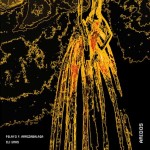
Artist: Pelayo Arrizabalaga & Eli Gras (@)
Title: ?ridos
Format: CD
Label: La Olla Expr?ss (http://www.laollaexpress.com/) (@)
Rated:


Title: ?ridos
Format: CD
Label: La Olla Expr?ss (http://www.laollaexpress.com/) (@)
Rated:
At first glance, "Áridos" might seem like another quirky footnote in the ever-expanding catalogue of avant-garde sound art. But don't be fooled—this album is a masterclass in the art of controlled chaos, a deliberate journey into the sonic unknown that feels as organic as it is engineered.
Pelayo Arrizabalaga and Eli Gras, two veterans of Spain's experimental music scene, have once again joined forces, bringing together decades of experience in everything from electroacoustic improvisation to noise, free jazz, and beyond. With "Áridos", they delve deep into the textural possibilities of their instruments — Arrizabalaga's clarinet and electronics clash and coalesce with Gras's electric guitar and her beloved "sound engines", custom-built contraptions that defy easy classification.
The album opens with "Playa Vertical" a nine-minute odyssey that feels like a cross between a hard awakening and a surrealist dream. The track sets the tone for what’s to come: dissonance and harmony locked in an eternal struggle, each sound carefully placed yet tinged with a sense of unpredictability. Arrizabalaga's clarinet squeaks and wails as if it's trying to escape its own body, while Gras's guitar oscillates between jagged riffs and eerie drones, a haunted signal from a distant planet.
As the album progresses, tracks like "Grava Técnica" and "Agua Negra" reveal the duo's penchant for exploring the tension between structure and spontaneity. The former is a study in mechanical precision, with percussive elements that evoke the grinding of gears and the click of levers, while the latter plunges into darker, more meditative territory, as if the listener is being submerged in a pool of viscous, sonic tar. Both tracks, however, share a meticulous attention to detail—a hallmark of both artists’ work, honed over years of boundary-pushing collaborations.
It’s hard not to draw parallels with other avant-garde duos, perhaps Pierre Bastien's mechanical orchestras or even early AMM. But where those artists often lean into abstraction, "Áridos" maintains a sense of narrative, however fractured it may be. Even the most abrasive moments—like the harsh, feedback-laden "Turbio" or the jarring "Pixel" — feel like they’re part of a larger story, a tale of erosion and decay that’s as beautiful as it is unsettling.
One could argue that "Áridos" is a commentary on the modern world's detritus—physical, emotional, and digital. The album’s title itself hints at barren landscapes, at the desolate spaces left behind after the tide of human progress recedes. But this isn't a work of despair; it's more of a reclamation project. By repurposing discarded sounds, broken melodies, and glitchy rhythms, Arrizabalaga and Gras construct something new and vital, a monument to the power of creative resilience.
In a way, "Áridos" feels like an album that’s always on the verge of falling apart, but never quite does. It's a balancing act between the raw and the refined, the accidental and the intentional. And perhaps that's what makes it so compelling. Every spin reveals new layers, new connections between the sounds, new insights into the minds of its creators.
If you’re looking for an easy listen, "Áridos" is not for you. But if you’re willing to let go of preconceived notions about what music can be, you’ll find in this album a rich, rewarding experience that lingers long after the last note has faded.
Comments
Stream
Browse by Genre
Industrial Music / Industrial Metal / Aggro Industrial / Electro Metal
Industrial Noise / Power Noise / Harsh Noise
Synth Pop / Electro Pop / Synth-Electronica
Techno / Trance / Goa / Drum'n'Bass / Jungle / Tribal / Trip-Hop
Ambient / Electronica / Ethereal / Dub / Soundscapes / Abstract
Experimental / Avantgarde / Weird & Wired / Glitch / Noise / Field Recording
Dark / Gothic / Wave / New Wave / Dark Wave / Industrial Gothic
New Music / Downtown / Avantgarde Jazz / New Classical / World