
Browse by Genre
Industrial Music / Industrial Metal / Aggro Industrial / Electro Metal
Industrial Noise / Power Noise / Harsh Noise
Synth Pop / Electro Pop / Synth-Electronica
Techno / Trance / Goa / Drum'n'Bass / Jungle / Tribal / Trip-Hop
Ambient / Electronica / Ethereal / Dub / Soundscapes / Abstract
Experimental / Avantgarde / Weird & Wired / Glitch / Noise / Field Recording
Dark / Gothic / Wave / New Wave / Dark Wave / Industrial Gothic
New Music / Downtown / Avantgarde Jazz / New Classical / World
Search Reviews
Music Reviews
Laur Pihel: no na me
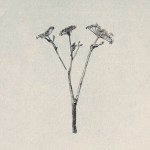
Artist: Laur Pihel (@)
Title: no na me
Format: Download Only (MP3 + Lossless)
Label: Schole (@)
Rated:

Title: no na me
Format: Download Only (MP3 + Lossless)
Label: Schole (@)
Rated:
Minimalist piano music has become dangerously close to a global utility service. Somewhere, at this very moment, an algorithm is probably recommending “peaceful neoclassical focus music for deep productivity” to exhausted office workers while a grey drone delivers toothpaste overhead. The genre risks dissolving into scented-candle functionality. Yet every so often a record appears that reminds us why sparse piano music can still matter when approached with sincerity rather than lifestyle branding. "no na me" by Laur Pihel is one of those records.
Released through Schole Records, the EP carries an unusual stillness that feels less composed than revealed. Pihel himself describes his process not as writing music but allowing it to “appear”, and while such language can sometimes drift into mystical vagueness, here it genuinely aligns with the listening experience. These pieces do not behave like carefully engineered compositions striving toward climax or technical display. They arrive tentatively, almost shyly, as if overheard rather than performed.
Pihel’s background as both architect and composer proves quietly significant. There is an architectural awareness throughout the EP, not in grand structural complexity but in the careful treatment of space, resonance, and proportion. Silence is not emptiness here; it functions like negative space in a building, shaping emotional movement through absence as much as presence.
The opening “i had a dream” immediately establishes the emotional climate of the record. The piano phrases emerge delicately, hovering somewhere between memory and hesitation. Pihel avoids the polished emotional manipulation common within much contemporary neoclassical music. There are no dramatic swells demanding catharsis, no cinematic crescendos auditioning desperately for television sync placements about emotionally complicated Scandinavian detectives staring at fjords.
Instead, the music breathes.
And that breathing matters.
The performances retain a fragile immediacy that makes the listener acutely aware of human presence behind the instrument. Slight pauses, tentative repetitions, and unresolved harmonic movements give the pieces their emotional weight. Pihel understands that vulnerability often resides in incompleteness. The music feels unfinished in the most beautiful sense, not lacking form but remaining open to uncertainty.
“fibich”, one of the EP’s shorter pieces, distills this quality especially well. Its melodic fragments seem to search gently for orientation without fully settling. There is melancholy present, certainly, but not despair. More a quiet recognition of impermanence. The kind of emotional atmosphere that arrives late at night when memory becomes temporarily louder than language.
Schole Records has long cultivated a particular aesthetic territory where minimalism, fragility, and contemplative ambience intersect, and "no na me" fits naturally within that lineage while maintaining its own intimate identity. Pihel’s approach differs from more overtly virtuosic modern classical composers because technical display never becomes the focal point. The piano serves less as an instrument of mastery than as a medium for attentiveness.
The title track deepens the record’s introspective atmosphere. Here Pihel’s improvisational philosophy becomes particularly compelling because the music resists obvious narrative development. Notes recur like recurring thoughts. Harmonies hover without insisting upon resolution. The listener is invited into a suspended emotional state rather than guided through predetermined emotional architecture.
And yet the record never becomes abstract or cold. There is warmth underneath the sorrow, exactly as the accompanying notes suggest. Pihel’s music recognizes suffering without fetishizing it. That distinction feels increasingly important in a culture that often aestheticizes sadness until it becomes decorative. "No na me" remains grounded in something more humane and spiritually searching.
“nnm oae” perhaps comes closest to pure meditation. The piece unfolds with almost ceremonial patience, allowing resonance itself to become part of the composition. One becomes aware not only of the notes but of the room surrounding them, the decaying echoes, the subtle textures of touch and release. Pihel’s emphasis on “less is more” could sound clichéd in lesser hands, but here restraint genuinely functions as artistic principle rather than branding exercise.
The closing “tallinn-kathmandu” subtly broadens the emotional horizon of the EP. The title alone suggests distance, spiritual searching, geographical and inner travel. The piece carries a slightly more expansive feeling while preserving the intimate fragility permeating the entire release. There is movement here, but slow movement, contemplative movement. Not escape so much as quiet transition.
Pihel’s reflections on music as “vibration and information”, simultaneously material and empty, reveal philosophical influences that seem adjacent to Buddhist thought without becoming explicitly doctrinal. That spiritual dimension permeates the EP subtly. The music does not preach transcendence; it creates conditions where stillness becomes perceptible again.
In practical terms, yes, this is music suitable for meditation, journaling, solitude, or moments of emotional exhaustion. But reducing it to functional ambience would miss its deeper achievement. "No na me" succeeds because it preserves ambiguity. These pieces do not tell the listener what to feel. They simply create enough emotional space for feeling to occur honestly.
That honesty is rare.
Especially now, when so much music arrives over-explained, over-produced, and emotionally preformatted for immediate consumption. Pihel instead offers small, imperfect, searching fragments of presence. Music that trusts silence. Music that accepts incompletion. Music that seems to emerge from the piano almost reluctantly, like fragile thoughts becoming briefly audible before returning to wherever they came from.
A modest but deeply affecting release, then. Not an album that shouts for attention, but one that waits quietly until the listener is finally willing to hear how much noise they have been carrying around inside themselves.
Released through Schole Records, the EP carries an unusual stillness that feels less composed than revealed. Pihel himself describes his process not as writing music but allowing it to “appear”, and while such language can sometimes drift into mystical vagueness, here it genuinely aligns with the listening experience. These pieces do not behave like carefully engineered compositions striving toward climax or technical display. They arrive tentatively, almost shyly, as if overheard rather than performed.
Pihel’s background as both architect and composer proves quietly significant. There is an architectural awareness throughout the EP, not in grand structural complexity but in the careful treatment of space, resonance, and proportion. Silence is not emptiness here; it functions like negative space in a building, shaping emotional movement through absence as much as presence.
The opening “i had a dream” immediately establishes the emotional climate of the record. The piano phrases emerge delicately, hovering somewhere between memory and hesitation. Pihel avoids the polished emotional manipulation common within much contemporary neoclassical music. There are no dramatic swells demanding catharsis, no cinematic crescendos auditioning desperately for television sync placements about emotionally complicated Scandinavian detectives staring at fjords.
Instead, the music breathes.
And that breathing matters.
The performances retain a fragile immediacy that makes the listener acutely aware of human presence behind the instrument. Slight pauses, tentative repetitions, and unresolved harmonic movements give the pieces their emotional weight. Pihel understands that vulnerability often resides in incompleteness. The music feels unfinished in the most beautiful sense, not lacking form but remaining open to uncertainty.
“fibich”, one of the EP’s shorter pieces, distills this quality especially well. Its melodic fragments seem to search gently for orientation without fully settling. There is melancholy present, certainly, but not despair. More a quiet recognition of impermanence. The kind of emotional atmosphere that arrives late at night when memory becomes temporarily louder than language.
Schole Records has long cultivated a particular aesthetic territory where minimalism, fragility, and contemplative ambience intersect, and "no na me" fits naturally within that lineage while maintaining its own intimate identity. Pihel’s approach differs from more overtly virtuosic modern classical composers because technical display never becomes the focal point. The piano serves less as an instrument of mastery than as a medium for attentiveness.
The title track deepens the record’s introspective atmosphere. Here Pihel’s improvisational philosophy becomes particularly compelling because the music resists obvious narrative development. Notes recur like recurring thoughts. Harmonies hover without insisting upon resolution. The listener is invited into a suspended emotional state rather than guided through predetermined emotional architecture.
And yet the record never becomes abstract or cold. There is warmth underneath the sorrow, exactly as the accompanying notes suggest. Pihel’s music recognizes suffering without fetishizing it. That distinction feels increasingly important in a culture that often aestheticizes sadness until it becomes decorative. "No na me" remains grounded in something more humane and spiritually searching.
“nnm oae” perhaps comes closest to pure meditation. The piece unfolds with almost ceremonial patience, allowing resonance itself to become part of the composition. One becomes aware not only of the notes but of the room surrounding them, the decaying echoes, the subtle textures of touch and release. Pihel’s emphasis on “less is more” could sound clichéd in lesser hands, but here restraint genuinely functions as artistic principle rather than branding exercise.
The closing “tallinn-kathmandu” subtly broadens the emotional horizon of the EP. The title alone suggests distance, spiritual searching, geographical and inner travel. The piece carries a slightly more expansive feeling while preserving the intimate fragility permeating the entire release. There is movement here, but slow movement, contemplative movement. Not escape so much as quiet transition.
Pihel’s reflections on music as “vibration and information”, simultaneously material and empty, reveal philosophical influences that seem adjacent to Buddhist thought without becoming explicitly doctrinal. That spiritual dimension permeates the EP subtly. The music does not preach transcendence; it creates conditions where stillness becomes perceptible again.
In practical terms, yes, this is music suitable for meditation, journaling, solitude, or moments of emotional exhaustion. But reducing it to functional ambience would miss its deeper achievement. "No na me" succeeds because it preserves ambiguity. These pieces do not tell the listener what to feel. They simply create enough emotional space for feeling to occur honestly.
That honesty is rare.
Especially now, when so much music arrives over-explained, over-produced, and emotionally preformatted for immediate consumption. Pihel instead offers small, imperfect, searching fragments of presence. Music that trusts silence. Music that accepts incompletion. Music that seems to emerge from the piano almost reluctantly, like fragile thoughts becoming briefly audible before returning to wherever they came from.
A modest but deeply affecting release, then. Not an album that shouts for attention, but one that waits quietly until the listener is finally willing to hear how much noise they have been carrying around inside themselves.
France de Griessen: Dawn Breakers
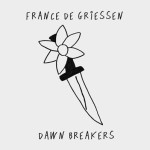
Artist: France de Griessen
Title: Dawn Breakers
Format: 12" + Download
Label: Prohibited Records (@)
Rated:

Title: Dawn Breakers
Format: 12" + Download
Label: Prohibited Records (@)
Rated:
There is a particular kind of album that does not merely ask to be listened to, but asks to be inhabited like an abandoned manor at dusk, where every room contains perfume, dust, old letters, and the suspicion that someone invisible just crossed the corridor. "Dawn Breakers" by France de Griessen belongs firmly to that category. It does not move in straight lines. It circles itself like incense smoke. It whispers, scratches, sighs, disappears behind velvet curtains, then suddenly stares directly into your face with unnerving emotional clarity.
France de Griessen has long existed in a peculiar artistic territory where folk music, cinema, performance art, romantic symbolism and gothic cabaret overlap without ever fully settling into stable form. Calling her merely a singer-songwriter feels insufficient in the same way calling Salvador Dalí “a painter” technically works while ignoring the melting elephants wandering through the background. Over the years, de Griessen has built an interdisciplinary practice touching photography, film, poetry and visual art, collaborating with figures such as Virginie Despentes and Bruce LaBruce while cultivating a singular aesthetic that merges vulnerability with ritualistic theatricality.
On "Dawn Breakers", that sensibility reaches perhaps its most distilled form. Recorded in Somerset, in the tiny English city of Wells, the album feels saturated with landscape. Not landscape in the pastoral folk sense of cheerful meadows and acoustic authenticity, but landscape as psychological architecture. The songs seem to emerge from damp stone walls, candlelit chapels, forgotten gardens and dreams interrupted just before dawn. The countryside here is not comforting. It is enchanted in the old sense of the word: beautiful, disorienting, faintly dangerous.
Musically, the record is deceptively sparse. Acoustic guitars, shruti box drones, discreet percussion, occasional piano and organ textures create a framework that often feels closer to incantation than arrangement. De Griessen’s voice remains the gravitational center throughout, shifting between fragile intimacy and something more spectral. She does not sing in a traditionally “perfect” manner, which is precisely why the performances work. Her phrasing often feels instinctive, almost trance-like, as though the songs are arriving through her rather than being carefully delivered by her. In an era where many vocal performances are polished until they resemble motivational software updates, this rawness feels strangely radical.
The influences mentioned around the album are revealing but never oppressive. Echoes of Nico appear in the funereal calm of certain refrains, while traces of Donovan emerge in the record’s strange balance of melancholy and luminous mysticism. Yet "Dawn Breakers" avoids collapsing into retro-folk cosplay because de Griessen approaches these traditions less as references than as spiritual tools. The songs do not imitate the past; they rummage through it like someone searching an attic during a thunderstorm.
“Punch Me” opens the album with unsettling directness, immediately establishing the record’s emotional duality: tenderness contaminated by bruising self-awareness. Then comes the almost absurd micro-fragment “Start All Over”, lasting four seconds, functioning less as a song than as a crack in the mirror. These abrupt interruptions recur throughout the album and become part of its grammar. De Griessen understands that fragmentation itself can create emotional continuity. Human consciousness rarely behaves like a polished narrative arc anyway. Mostly it resembles someone carrying twenty half-finished conversations through a fog.
“Cloud Cakes” may be one of the album’s most revealing titles because it encapsulates her artistic method perfectly: sweetness hovering beside instability, fantasy brushing against decay. The imagery throughout the record constantly bends physical reality into symbolic dream logic. Snow turns blue, voices become ghosts, memories mutate into living presences. At times the album feels almost synesthetic, as though colors, textures and emotional states are quietly exchanging identities behind the listener’s back.
The duet moments with Cannonball Statman add another dimension entirely. His presence introduces a faint anti-folk abrasion that prevents the record from floating entirely into ethereal abstraction. These interactions ground the songs, adding friction and occasional unpredictability. The album needs that tension. Without it, the dream might become too comfortable.
“Blue Snow” stands among the record’s emotional peaks, carrying the strongest connection to the cinematic influences surrounding de Griessen’s work. You can almost feel the ghosts of Federico Fellini and Pier Paolo Pasolini hovering somewhere nearby, not through direct imitation but through atmosphere: the sense that beauty and alienation are inseparable companions wandering through the same frame.
Then comes “July”, perhaps the album’s emotional core, where de Griessen confronts the internal multiplicity she describes in the accompanying notes. The song feels populated by invisible presences, ancient narratives surfacing and colliding inside the mind. There is something deeply human in the way she treats psychological fragmentation not as pathology but as mythology. We all carry entire choirs of contradictory voices within us. Most people simply bury them under productivity apps and supermarket loyalty cards.
What makes "Dawn Breakers" particularly compelling is its refusal to fully resolve its tensions. Is this album made of love songs, prayers, hallucinations, diary entries, occult rituals, or theatrical monologues? The answer shifts constantly. De Griessen thrives in ambiguity because ambiguity itself becomes a form of emotional truth. Life rarely provides clean symbolic categories. Most of existence is spent trying to understand whether the thing haunting you is grief, desire, memory, imagination, or merely exhaustion from living inside modern civilization’s fluorescent migraine.
And yet despite all its spectral qualities, "Dawn Breakers" never feels cold. Beneath the mysticism and surrealism lies genuine emotional urgency. De Griessen is not hiding behind aesthetics. She is using them as portals toward vulnerability. The album’s recurring concern with transformation, with bringing darkness into light without erasing the darkness itself, gives the record its quiet power.
In the end, "Dawn Breakers" resembles a strange devotional object washed ashore from another artistic era, one where symbolism still mattered, where art could be irrational without apologizing for it, where beauty and discomfort were allowed to coexist without corporate mediation. France de Griessen offers no easy catharsis here. Instead, she hands the listener a lantern and invites them deeper into the fog.
France de Griessen has long existed in a peculiar artistic territory where folk music, cinema, performance art, romantic symbolism and gothic cabaret overlap without ever fully settling into stable form. Calling her merely a singer-songwriter feels insufficient in the same way calling Salvador Dalí “a painter” technically works while ignoring the melting elephants wandering through the background. Over the years, de Griessen has built an interdisciplinary practice touching photography, film, poetry and visual art, collaborating with figures such as Virginie Despentes and Bruce LaBruce while cultivating a singular aesthetic that merges vulnerability with ritualistic theatricality.
On "Dawn Breakers", that sensibility reaches perhaps its most distilled form. Recorded in Somerset, in the tiny English city of Wells, the album feels saturated with landscape. Not landscape in the pastoral folk sense of cheerful meadows and acoustic authenticity, but landscape as psychological architecture. The songs seem to emerge from damp stone walls, candlelit chapels, forgotten gardens and dreams interrupted just before dawn. The countryside here is not comforting. It is enchanted in the old sense of the word: beautiful, disorienting, faintly dangerous.
Musically, the record is deceptively sparse. Acoustic guitars, shruti box drones, discreet percussion, occasional piano and organ textures create a framework that often feels closer to incantation than arrangement. De Griessen’s voice remains the gravitational center throughout, shifting between fragile intimacy and something more spectral. She does not sing in a traditionally “perfect” manner, which is precisely why the performances work. Her phrasing often feels instinctive, almost trance-like, as though the songs are arriving through her rather than being carefully delivered by her. In an era where many vocal performances are polished until they resemble motivational software updates, this rawness feels strangely radical.
The influences mentioned around the album are revealing but never oppressive. Echoes of Nico appear in the funereal calm of certain refrains, while traces of Donovan emerge in the record’s strange balance of melancholy and luminous mysticism. Yet "Dawn Breakers" avoids collapsing into retro-folk cosplay because de Griessen approaches these traditions less as references than as spiritual tools. The songs do not imitate the past; they rummage through it like someone searching an attic during a thunderstorm.
“Punch Me” opens the album with unsettling directness, immediately establishing the record’s emotional duality: tenderness contaminated by bruising self-awareness. Then comes the almost absurd micro-fragment “Start All Over”, lasting four seconds, functioning less as a song than as a crack in the mirror. These abrupt interruptions recur throughout the album and become part of its grammar. De Griessen understands that fragmentation itself can create emotional continuity. Human consciousness rarely behaves like a polished narrative arc anyway. Mostly it resembles someone carrying twenty half-finished conversations through a fog.
“Cloud Cakes” may be one of the album’s most revealing titles because it encapsulates her artistic method perfectly: sweetness hovering beside instability, fantasy brushing against decay. The imagery throughout the record constantly bends physical reality into symbolic dream logic. Snow turns blue, voices become ghosts, memories mutate into living presences. At times the album feels almost synesthetic, as though colors, textures and emotional states are quietly exchanging identities behind the listener’s back.
The duet moments with Cannonball Statman add another dimension entirely. His presence introduces a faint anti-folk abrasion that prevents the record from floating entirely into ethereal abstraction. These interactions ground the songs, adding friction and occasional unpredictability. The album needs that tension. Without it, the dream might become too comfortable.
“Blue Snow” stands among the record’s emotional peaks, carrying the strongest connection to the cinematic influences surrounding de Griessen’s work. You can almost feel the ghosts of Federico Fellini and Pier Paolo Pasolini hovering somewhere nearby, not through direct imitation but through atmosphere: the sense that beauty and alienation are inseparable companions wandering through the same frame.
Then comes “July”, perhaps the album’s emotional core, where de Griessen confronts the internal multiplicity she describes in the accompanying notes. The song feels populated by invisible presences, ancient narratives surfacing and colliding inside the mind. There is something deeply human in the way she treats psychological fragmentation not as pathology but as mythology. We all carry entire choirs of contradictory voices within us. Most people simply bury them under productivity apps and supermarket loyalty cards.
What makes "Dawn Breakers" particularly compelling is its refusal to fully resolve its tensions. Is this album made of love songs, prayers, hallucinations, diary entries, occult rituals, or theatrical monologues? The answer shifts constantly. De Griessen thrives in ambiguity because ambiguity itself becomes a form of emotional truth. Life rarely provides clean symbolic categories. Most of existence is spent trying to understand whether the thing haunting you is grief, desire, memory, imagination, or merely exhaustion from living inside modern civilization’s fluorescent migraine.
And yet despite all its spectral qualities, "Dawn Breakers" never feels cold. Beneath the mysticism and surrealism lies genuine emotional urgency. De Griessen is not hiding behind aesthetics. She is using them as portals toward vulnerability. The album’s recurring concern with transformation, with bringing darkness into light without erasing the darkness itself, gives the record its quiet power.
In the end, "Dawn Breakers" resembles a strange devotional object washed ashore from another artistic era, one where symbolism still mattered, where art could be irrational without apologizing for it, where beauty and discomfort were allowed to coexist without corporate mediation. France de Griessen offers no easy catharsis here. Instead, she hands the listener a lantern and invites them deeper into the fog.
Werner Durand & John Krausbauer: Black Seraphim
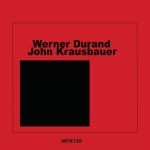
Artist: Werner Durand & John Krausbauer (http://wernerdurand.com/) (@)
Title: Black Seraphim
Format: CD + Download
Label: Moving Furniture Records (@)
Rated:
Title: Black Seraphim
Format: CD + Download
Label: Moving Furniture Records (@)
Rated:
There is something wonderfully stubborn about drone music when it refuses transcendence as a shortcut and instead drags you through the tunnel inch by inch, like a monk carrying a broken amplifier through a sandstorm. by Werner Durand and John Krausbauer understands this perfectly. It is not interested in decorating a room, assisting mindfulness apps, or politely dissolving into the background while someone reorganizes their spice rack. This record wants to occupy physical space. Slowly. Completely. Like weather. Or grief. Or a neighbor practicing tuba at 2 a.m. with spiritual conviction.
The collaboration itself makes immediate sense once the music begins. Durand has spent decades constructing his own wind instruments based on just intonation, operating somewhere between ethnomusicology, sound sculpture, and ancient ritual accidentally intercepted by modern microphones. Krausbauer, meanwhile, has long treated the violin less as a melodic instrument and more as a carrier wave for altered states, his work often circling around sustained harmonic density and psychoacoustic immersion. Together, they produce something that feels less “performed” than summoned.
The single 27-minute composition unfolds like a slow geological event. Not dramatic in the cinematic sense, but tectonic. The tones arrive layered and thick, buzzing with harmonic friction, creating the peculiar sensation that the music is simultaneously static and constantly mutating. Tiny overtone shifts begin to feel enormous after a while. Human perception starts recalibrating itself. Five minutes in, you are listening to drones. Fifteen minutes in, the drones are listening to you. Twenty-five minutes in, you briefly consider whether linear time was merely an administrative error invented by train schedules.
Durand’s self-built reeds give the piece its strangely organic turbulence. Their textures breathe and rasp in ways synthesizers rarely can. There is air in the sound, pressure, saliva, wood, friction. Krausbauer’s violin does not counterbalance this so much as haunt it, stretching long tones into spectral smears that hover above the mix like exhausted angels reconsidering their employment status. The title "Black Seraphim" suddenly feels apt: sacred imagery dragged through soot and electrical hum.
What makes the album compelling is its refusal to become merely “deep”. Drone records sometimes suffer from a kind of spiritual tourism, where endless sustain gets mistaken for profundity simply because nothing happens for a while. Here, however, the density matters. The tuning systems matter. The interaction between overtones feels deliberate and alive, drawing from traditions of minimalism, just intonation, and non-Western modal thinking without turning the music into an academic demonstration. You can hear echoes of Éliane Radigue in the devotion to gradual transformation, and perhaps traces of La Monte Young in the obsession with sustained harmonic environments, but the emotional atmosphere is darker, dirtier, less celestial. More basement ritual than cosmic enlightenment.
The recording also benefits from its physical imperfections. There is grain in the sound, a tactile roughness that prevents the piece from floating into sterile abstraction. It reminds you that drone music, at its best, is deeply corporeal. Frequencies vibrate through muscle and bone before they become intellectual ideas. The body understands first. The brain arrives later carrying explanatory paperwork nobody requested.
Released by Moving Furniture Records, a label that has quietly become one of the more reliable homes for contemporary drone and microtonal exploration, "Black Seraphim" fits naturally into a catalog devoted to patience, resonance, and altered listening states. Yet even within that context, this collaboration feels unusually concentrated, stripped of ornament, almost severe in its dedication to sustained presence.
In an era where music is increasingly consumed while doing six other things simultaneously, "Black Seraphim" demands singular attention. Not aggressively, not theatrically. It simply waits, humming in the corner like an ancient machine that knows human beings will eventually grow tired of notifications and come crawling back to vibration itself. A grim little miracle, really.
The collaboration itself makes immediate sense once the music begins. Durand has spent decades constructing his own wind instruments based on just intonation, operating somewhere between ethnomusicology, sound sculpture, and ancient ritual accidentally intercepted by modern microphones. Krausbauer, meanwhile, has long treated the violin less as a melodic instrument and more as a carrier wave for altered states, his work often circling around sustained harmonic density and psychoacoustic immersion. Together, they produce something that feels less “performed” than summoned.
The single 27-minute composition unfolds like a slow geological event. Not dramatic in the cinematic sense, but tectonic. The tones arrive layered and thick, buzzing with harmonic friction, creating the peculiar sensation that the music is simultaneously static and constantly mutating. Tiny overtone shifts begin to feel enormous after a while. Human perception starts recalibrating itself. Five minutes in, you are listening to drones. Fifteen minutes in, the drones are listening to you. Twenty-five minutes in, you briefly consider whether linear time was merely an administrative error invented by train schedules.
Durand’s self-built reeds give the piece its strangely organic turbulence. Their textures breathe and rasp in ways synthesizers rarely can. There is air in the sound, pressure, saliva, wood, friction. Krausbauer’s violin does not counterbalance this so much as haunt it, stretching long tones into spectral smears that hover above the mix like exhausted angels reconsidering their employment status. The title "Black Seraphim" suddenly feels apt: sacred imagery dragged through soot and electrical hum.
What makes the album compelling is its refusal to become merely “deep”. Drone records sometimes suffer from a kind of spiritual tourism, where endless sustain gets mistaken for profundity simply because nothing happens for a while. Here, however, the density matters. The tuning systems matter. The interaction between overtones feels deliberate and alive, drawing from traditions of minimalism, just intonation, and non-Western modal thinking without turning the music into an academic demonstration. You can hear echoes of Éliane Radigue in the devotion to gradual transformation, and perhaps traces of La Monte Young in the obsession with sustained harmonic environments, but the emotional atmosphere is darker, dirtier, less celestial. More basement ritual than cosmic enlightenment.
The recording also benefits from its physical imperfections. There is grain in the sound, a tactile roughness that prevents the piece from floating into sterile abstraction. It reminds you that drone music, at its best, is deeply corporeal. Frequencies vibrate through muscle and bone before they become intellectual ideas. The body understands first. The brain arrives later carrying explanatory paperwork nobody requested.
Released by Moving Furniture Records, a label that has quietly become one of the more reliable homes for contemporary drone and microtonal exploration, "Black Seraphim" fits naturally into a catalog devoted to patience, resonance, and altered listening states. Yet even within that context, this collaboration feels unusually concentrated, stripped of ornament, almost severe in its dedication to sustained presence.
In an era where music is increasingly consumed while doing six other things simultaneously, "Black Seraphim" demands singular attention. Not aggressively, not theatrically. It simply waits, humming in the corner like an ancient machine that knows human beings will eventually grow tired of notifications and come crawling back to vibration itself. A grim little miracle, really.
Hora Lunga: New Age Music Vol. 2-3
There is a particular kind of experimental record that behaves less like music and more like overhearing somebody think in several rooms at once. "New Age Music Vol. 2-3" by Hora Lunga belongs firmly to that tradition. Across twenty-two miniature pieces, many barely surviving the two-minute mark, the album refuses the basic courtesies listeners have been trained to expect. Themes appear, fracture, wander into static, collide with voices, vanish into unfinished gestures. And somehow, against the odds and against modern attention economies designed to liquefy concentration into algorithmic soup, it remains strangely intimate.
The title itself is an excellent prank. “New Age Music” traditionally evokes healing flutes, wellness spas, and the sort of ambient drift played in yoga studios where everyone pretends not to resent the price of oat milk. Hora Lunga’s version feels more like new age music after the age itself has collapsed under administrative paperwork and emotional buffering wheels. The spirituality here is anxious, fragmented, urban. Not transcendence through purity, but transcendence through overload. A search for fragile coherence inside informational debris.
Based in Switzerland, Hora Lunga operates in a slippery zone between experimental songwriting, collage composition, improvisation, and sound art. Previous collaborations, including the widely praised work with Argentine cellist Violeta García, already suggested an artist more interested in permeability than genre identity. On "New Age Music Vol. 2-3", that permeability becomes the central architecture. Guests drift through the record like passing thoughts rather than featured performers. Voices arrive partially formed, instrumental ideas dissolve before they can stabilize, and tracks frequently behave like interrupted diary entries recovered from damaged hard drives.
Yet the album never feels random. That is the deceptive trick at work here. Underneath the fragmentation lies an almost obsessive sensitivity to pacing, texture, and interruption. The sequencing creates a peculiar rhythm of emotional approach and withdrawal. One track opens a small emotional window, the next immediately smears fingerprints across the glass. “Hearing Through the Wall” floats with ghostly vulnerability, while “CTRL Z” folds longing into digital exhaustion, sounding like somebody attempting to emotionally reverse an entire decade with a keyboard shortcut. Humanity keeps trying to undo itself through interfaces. The computer, naturally, remains unimpressed.
The brevity of many tracks gives the record a curious anti-monumental quality. Nothing insists on its own importance for too long. “DJ” and “Karma 3” arrive like sketches overheard from another apartment. “78927908092907” barely exists before disappearing again, functioning almost like an accidental voicemail from an alternate timeline. Even the titles contribute to the atmosphere of unstable memory: "An Open Suitcase", "Less Of Me", "113kmh", "If You Are Dreaming That A Tiger Is Chasing You". They read like fragmented notes left behind by someone traveling through emotional states rather than physical locations.
There is humor hidden in the album too, though it is dry enough to evaporate if stared at directly. A track called “Doom Metal” does not particularly resemble doom metal. “House Music” similarly avoids any obvious obligation to the genre it references. Hora Lunga seems fascinated by labels precisely because of how poorly they contain experience. Genres here become loose signposts rather than destinations, tiny bureaucratic attempts to classify sounds already escaping classification.
Sonically, the record often feels handmade in the best sense. Not “lo-fi” as aesthetic branding, but genuinely tactile. You can almost hear the room around the recordings, the instability of decisions being made in real time. Fragments of voice, rough edits, sudden shifts in proximity, and uneven layering create the sensation of music assembled from lived moments rather than perfected sessions. The mastering by Anne Taegert preserves this instability beautifully, allowing the record to breathe without sanding down its edges into sterile sophistication.
What makes "New Age Music Vol. 2-3" compelling is its refusal to convert vulnerability into spectacle. Contemporary experimental music often falls into one of two traps: intellectual sterility or exaggerated emotional branding. Hora Lunga avoids both by remaining elusive. The album reveals personal traces constantly, but never in ways that feel performative. It behaves like a notebook someone forgot to hide, not a confession strategically optimized for emotional engagement metrics. Which, in 2026, feels almost revolutionary.
The closing track, “If You Are Dreaming That A Tiger Is Chasing You”, encapsulates the album’s strange emotional logic perfectly. The title suggests panic, danger, subconscious pursuit. Yet the music itself drifts with an almost resigned tenderness, as if the chase has lasted so long that fear has transformed into companionship. That may be the hidden emotional core of the record: learning to coexist with instability instead of conquering it.
By the end, "New Age Music Vol. 2-3" feels less like a collection of songs than a cartography of unfinished thoughts, emotional glitches, and fleeting recognitions. It asks for active listening not because it is difficult in the academic sense, but because it mirrors the fragmented condition of contemporary consciousness itself. Tiny signals fighting to remain human inside endless noise.
Not bad for a CD-R that sounds like it was assembled from dreams, transit stations, voice notes, and the emotional residue left behind after too many browser tabs remain open at 3 a.m. Humanity continues inventing smarter machines while still struggling to understand its own interior static. Hora Lunga, at least, has the decency to make that confusion sound oddly beautiful.
The title itself is an excellent prank. “New Age Music” traditionally evokes healing flutes, wellness spas, and the sort of ambient drift played in yoga studios where everyone pretends not to resent the price of oat milk. Hora Lunga’s version feels more like new age music after the age itself has collapsed under administrative paperwork and emotional buffering wheels. The spirituality here is anxious, fragmented, urban. Not transcendence through purity, but transcendence through overload. A search for fragile coherence inside informational debris.
Based in Switzerland, Hora Lunga operates in a slippery zone between experimental songwriting, collage composition, improvisation, and sound art. Previous collaborations, including the widely praised work with Argentine cellist Violeta García, already suggested an artist more interested in permeability than genre identity. On "New Age Music Vol. 2-3", that permeability becomes the central architecture. Guests drift through the record like passing thoughts rather than featured performers. Voices arrive partially formed, instrumental ideas dissolve before they can stabilize, and tracks frequently behave like interrupted diary entries recovered from damaged hard drives.
Yet the album never feels random. That is the deceptive trick at work here. Underneath the fragmentation lies an almost obsessive sensitivity to pacing, texture, and interruption. The sequencing creates a peculiar rhythm of emotional approach and withdrawal. One track opens a small emotional window, the next immediately smears fingerprints across the glass. “Hearing Through the Wall” floats with ghostly vulnerability, while “CTRL Z” folds longing into digital exhaustion, sounding like somebody attempting to emotionally reverse an entire decade with a keyboard shortcut. Humanity keeps trying to undo itself through interfaces. The computer, naturally, remains unimpressed.
The brevity of many tracks gives the record a curious anti-monumental quality. Nothing insists on its own importance for too long. “DJ” and “Karma 3” arrive like sketches overheard from another apartment. “78927908092907” barely exists before disappearing again, functioning almost like an accidental voicemail from an alternate timeline. Even the titles contribute to the atmosphere of unstable memory: "An Open Suitcase", "Less Of Me", "113kmh", "If You Are Dreaming That A Tiger Is Chasing You". They read like fragmented notes left behind by someone traveling through emotional states rather than physical locations.
There is humor hidden in the album too, though it is dry enough to evaporate if stared at directly. A track called “Doom Metal” does not particularly resemble doom metal. “House Music” similarly avoids any obvious obligation to the genre it references. Hora Lunga seems fascinated by labels precisely because of how poorly they contain experience. Genres here become loose signposts rather than destinations, tiny bureaucratic attempts to classify sounds already escaping classification.
Sonically, the record often feels handmade in the best sense. Not “lo-fi” as aesthetic branding, but genuinely tactile. You can almost hear the room around the recordings, the instability of decisions being made in real time. Fragments of voice, rough edits, sudden shifts in proximity, and uneven layering create the sensation of music assembled from lived moments rather than perfected sessions. The mastering by Anne Taegert preserves this instability beautifully, allowing the record to breathe without sanding down its edges into sterile sophistication.
What makes "New Age Music Vol. 2-3" compelling is its refusal to convert vulnerability into spectacle. Contemporary experimental music often falls into one of two traps: intellectual sterility or exaggerated emotional branding. Hora Lunga avoids both by remaining elusive. The album reveals personal traces constantly, but never in ways that feel performative. It behaves like a notebook someone forgot to hide, not a confession strategically optimized for emotional engagement metrics. Which, in 2026, feels almost revolutionary.
The closing track, “If You Are Dreaming That A Tiger Is Chasing You”, encapsulates the album’s strange emotional logic perfectly. The title suggests panic, danger, subconscious pursuit. Yet the music itself drifts with an almost resigned tenderness, as if the chase has lasted so long that fear has transformed into companionship. That may be the hidden emotional core of the record: learning to coexist with instability instead of conquering it.
By the end, "New Age Music Vol. 2-3" feels less like a collection of songs than a cartography of unfinished thoughts, emotional glitches, and fleeting recognitions. It asks for active listening not because it is difficult in the academic sense, but because it mirrors the fragmented condition of contemporary consciousness itself. Tiny signals fighting to remain human inside endless noise.
Not bad for a CD-R that sounds like it was assembled from dreams, transit stations, voice notes, and the emotional residue left behind after too many browser tabs remain open at 3 a.m. Humanity continues inventing smarter machines while still struggling to understand its own interior static. Hora Lunga, at least, has the decency to make that confusion sound oddly beautiful.
False Figure: Incarnate
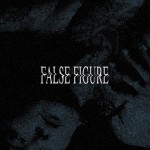
Artist: False Figure (@)
Title: Incarnate
Format: 12" + Download
Label: Cruel Subordination Records
Rated:
Title: Incarnate
Format: 12" + Download
Label: Cruel Subordination Records
Rated:
Post-punk has reached the age where it risks becoming its own taxidermy exhibit. Too many bands lovingly reconstruct the same grey corridors, the same skeletal basslines, the same emotionally unavailable men staring at rain through industrial windows as if they personally invented disappointment. Fortunately, Incarnate by False Figure avoids that particular museum-piece syndrome by remembering something essential: anger still has a pulse, melancholy still sweats, and politics become much more convincing when attached to actual human wounds rather than fashionable eyeliner geometry.
Released through their label Cruel Subordination Records, "Incarnate" arrives from Oakland carrying the familiar DNA of darkwave and post-punk, yet refusing to remain trapped inside genre nostalgia. The band clearly understands the tradition they inhabit, but they approach it less as retro reenactment and more as emotional infrastructure: a language for processing anxiety, manipulation, social violence, emotional exhaustion, and the slow corrosion of trust in both institutions and people.
The opening “Intro” functions like a gathering storm rather than a standalone composition, setting a tense emotional atmosphere before “Original Sin” erupts with one of the album’s strongest moments. The track balances rock wave rhythm work with a bleak lyrical perspective that feels simultaneously personal and societal. The imagery of seduction, decay, blame, and moral collapse evokes a world where destruction has become ambient background noise. Yet the song never collapses into theatrical nihilism. False Figure understand that genuine despair rarely arrives dramatically; more often it seeps slowly into daily life like damp through concrete.
Musically, the band sits somewhere between classic deathrock sharpness, darker strains of modern post-punk, and flashes of coldwave atmosphere, but without sounding overly curated by algorithmic goth playlists. There are traces of Asylum Party in the melodic sensibility, echoes of early industrial tension, and occasionally the emotional directness of darker punk traditions. Still, "Incarnate" feels less interested in aesthetic purity than emotional momentum.
“Favorite Game” shifts inward toward toxic relational dynamics, and it does so with a kind of bitter clarity that avoids melodrama. The lyrics dissect manipulation with unnerving simplicity, while the instrumentation maintains a restless propulsion underneath. The recurring sensation across the album is movement. Even when songs dwell on paralysis, betrayal, or grief, the band refuses stagnation. The emotional states remain unstable, unresolved, alive.
That sense of motion becomes one of "Incarnate"’s greatest strengths. Many contemporary post-punk albums flatten themselves into a single monochrome mood for forty-five minutes, mistaking consistency for depth. False Figure instead allow emotional contradictions to coexist. “Deseos” introduces vulnerability and exhaustion without sacrificing tension, while “Flowers in Bloom” briefly softens the sonic edges into something almost mournfully romantic.
Almost.
Because even at its gentlest, the album carries splinters under the skin.
“Flowers in Bloom” may be one of the record’s emotional high points. Its imagery of barren gardens, tenderness turning bitter, and love decomposing into memory taps into a deeply human exhaustion. The track understands that failed intimacy leaves behind strange archaeological layers. Relationships do not disappear cleanly; they linger as emotional debris scattered around ordinary life. Human beings spend years learning communication only to weaponize it creatively inside romantic relationships. Evolution remains a work in progress.
Then comes “Say Nothing”, where the album’s simmering political undercurrent fully ignites. The track channels rage toward systemic violence, social control, and institutional brutality without descending into slogan-heavy simplicity. Crucially, the anger feels earned. False Figure avoid the trap of performative radicalism because the emotional tension has already been building throughout the record. Personal trauma and political collapse are shown as interconnected systems rather than separate themes.
The urgency here recalls moments from politically conscious punk and industrial traditions, but filtered through contemporary exhaustion. The song sounds less like triumphant rebellion and more like people realizing they have been cornered for too long.
“Hand of Malice” and “Fields of Woe” deepen the album’s haunted atmosphere, leaning into dread and existential fatigue. There is an especially effective use of pacing throughout the record; shorter tracks prevent the emotional density from becoming oppressive while maintaining narrative continuity. The sequencing feels deliberate, almost cinematic in how moods bleed into one another.
The inclusion of “Julia”, originally by Asylum Party, is particularly revealing. Rather than functioning as nostalgic homage, the cover highlights False Figure’s understanding of emotional minimalism within coldwave traditions. They preserve the fragile melancholy of the original while integrating it naturally into the album’s broader emotional architecture.
Closing track “Trepidation” leaves the listener suspended between paranoia, ideological manipulation, and social fragmentation. Its repeated question, “What’s it like having your mind made up for you?”, lands with uncomfortable relevance in an era where outrage itself has become industrialized. The imagery of marching boots and fear-stricken crowds never feels historically distant. "Incarnate" recognizes how quickly societies normalize cruelty once exhaustion overtakes empathy.
What ultimately makes this album interesting is not innovation in the abstract sense. False Figure are not trying to reinvent post-punk from scratch. Instead, they revitalize it emotionally. They remember that this music originally emerged from fracture, alienation, political anxiety, and bodily tension, not merely from carefully curated vintage aesthetics and monochrome Instagram filters.
"Incarnate" breathes because its wounds still feel open. Beneath the chorus pedals, driving basslines, and nocturnal atmosphere lies something increasingly rare: sincerity sharp enough to cut through style itself.
A dark, bruised, and surprisingly human record, then. Music for sleepless cities, collapsing certainties, and all the people still trying to locate fragments of dignity while the world keeps asking them to become numb instead.
Released through their label Cruel Subordination Records, "Incarnate" arrives from Oakland carrying the familiar DNA of darkwave and post-punk, yet refusing to remain trapped inside genre nostalgia. The band clearly understands the tradition they inhabit, but they approach it less as retro reenactment and more as emotional infrastructure: a language for processing anxiety, manipulation, social violence, emotional exhaustion, and the slow corrosion of trust in both institutions and people.
The opening “Intro” functions like a gathering storm rather than a standalone composition, setting a tense emotional atmosphere before “Original Sin” erupts with one of the album’s strongest moments. The track balances rock wave rhythm work with a bleak lyrical perspective that feels simultaneously personal and societal. The imagery of seduction, decay, blame, and moral collapse evokes a world where destruction has become ambient background noise. Yet the song never collapses into theatrical nihilism. False Figure understand that genuine despair rarely arrives dramatically; more often it seeps slowly into daily life like damp through concrete.
Musically, the band sits somewhere between classic deathrock sharpness, darker strains of modern post-punk, and flashes of coldwave atmosphere, but without sounding overly curated by algorithmic goth playlists. There are traces of Asylum Party in the melodic sensibility, echoes of early industrial tension, and occasionally the emotional directness of darker punk traditions. Still, "Incarnate" feels less interested in aesthetic purity than emotional momentum.
“Favorite Game” shifts inward toward toxic relational dynamics, and it does so with a kind of bitter clarity that avoids melodrama. The lyrics dissect manipulation with unnerving simplicity, while the instrumentation maintains a restless propulsion underneath. The recurring sensation across the album is movement. Even when songs dwell on paralysis, betrayal, or grief, the band refuses stagnation. The emotional states remain unstable, unresolved, alive.
That sense of motion becomes one of "Incarnate"’s greatest strengths. Many contemporary post-punk albums flatten themselves into a single monochrome mood for forty-five minutes, mistaking consistency for depth. False Figure instead allow emotional contradictions to coexist. “Deseos” introduces vulnerability and exhaustion without sacrificing tension, while “Flowers in Bloom” briefly softens the sonic edges into something almost mournfully romantic.
Almost.
Because even at its gentlest, the album carries splinters under the skin.
“Flowers in Bloom” may be one of the record’s emotional high points. Its imagery of barren gardens, tenderness turning bitter, and love decomposing into memory taps into a deeply human exhaustion. The track understands that failed intimacy leaves behind strange archaeological layers. Relationships do not disappear cleanly; they linger as emotional debris scattered around ordinary life. Human beings spend years learning communication only to weaponize it creatively inside romantic relationships. Evolution remains a work in progress.
Then comes “Say Nothing”, where the album’s simmering political undercurrent fully ignites. The track channels rage toward systemic violence, social control, and institutional brutality without descending into slogan-heavy simplicity. Crucially, the anger feels earned. False Figure avoid the trap of performative radicalism because the emotional tension has already been building throughout the record. Personal trauma and political collapse are shown as interconnected systems rather than separate themes.
The urgency here recalls moments from politically conscious punk and industrial traditions, but filtered through contemporary exhaustion. The song sounds less like triumphant rebellion and more like people realizing they have been cornered for too long.
“Hand of Malice” and “Fields of Woe” deepen the album’s haunted atmosphere, leaning into dread and existential fatigue. There is an especially effective use of pacing throughout the record; shorter tracks prevent the emotional density from becoming oppressive while maintaining narrative continuity. The sequencing feels deliberate, almost cinematic in how moods bleed into one another.
The inclusion of “Julia”, originally by Asylum Party, is particularly revealing. Rather than functioning as nostalgic homage, the cover highlights False Figure’s understanding of emotional minimalism within coldwave traditions. They preserve the fragile melancholy of the original while integrating it naturally into the album’s broader emotional architecture.
Closing track “Trepidation” leaves the listener suspended between paranoia, ideological manipulation, and social fragmentation. Its repeated question, “What’s it like having your mind made up for you?”, lands with uncomfortable relevance in an era where outrage itself has become industrialized. The imagery of marching boots and fear-stricken crowds never feels historically distant. "Incarnate" recognizes how quickly societies normalize cruelty once exhaustion overtakes empathy.
What ultimately makes this album interesting is not innovation in the abstract sense. False Figure are not trying to reinvent post-punk from scratch. Instead, they revitalize it emotionally. They remember that this music originally emerged from fracture, alienation, political anxiety, and bodily tension, not merely from carefully curated vintage aesthetics and monochrome Instagram filters.
"Incarnate" breathes because its wounds still feel open. Beneath the chorus pedals, driving basslines, and nocturnal atmosphere lies something increasingly rare: sincerity sharp enough to cut through style itself.
A dark, bruised, and surprisingly human record, then. Music for sleepless cities, collapsing certainties, and all the people still trying to locate fragments of dignity while the world keeps asking them to become numb instead.