
Browse by Genre
Industrial Music / Industrial Metal / Aggro Industrial / Electro Metal
Industrial Noise / Power Noise / Harsh Noise
Synth Pop / Electro Pop / Synth-Electronica
Techno / Trance / Goa / Drum'n'Bass / Jungle / Tribal / Trip-Hop
Ambient / Electronica / Ethereal / Dub / Soundscapes / Abstract
Experimental / Avantgarde / Weird & Wired / Glitch / Noise / Field Recording
Dark / Gothic / Wave / New Wave / Dark Wave / Industrial Gothic
New Music / Downtown / Avantgarde Jazz / New Classical / World
Search Reviews
Music Reviews
Werner Durand & John Krausbauer: Black Seraphim

Artist: Werner Durand & John Krausbauer (http://wernerdurand.com/) (@)
Title: Black Seraphim
Format: CD + Download
Label: Moving Furniture Records (@)
Rated:

Title: Black Seraphim
Format: CD + Download
Label: Moving Furniture Records (@)
Rated:
There is something wonderfully stubborn about drone music when it refuses transcendence as a shortcut and instead drags you through the tunnel inch by inch, like a monk carrying a broken amplifier through a sandstorm. by Werner Durand and John Krausbauer understands this perfectly. It is not interested in decorating a room, assisting mindfulness apps, or politely dissolving into the background while someone reorganizes their spice rack. This record wants to occupy physical space. Slowly. Completely. Like weather. Or grief. Or a neighbor practicing tuba at 2 a.m. with spiritual conviction.
The collaboration itself makes immediate sense once the music begins. Durand has spent decades constructing his own wind instruments based on just intonation, operating somewhere between ethnomusicology, sound sculpture, and ancient ritual accidentally intercepted by modern microphones. Krausbauer, meanwhile, has long treated the violin less as a melodic instrument and more as a carrier wave for altered states, his work often circling around sustained harmonic density and psychoacoustic immersion. Together, they produce something that feels less “performed” than summoned.
The single 27-minute composition unfolds like a slow geological event. Not dramatic in the cinematic sense, but tectonic. The tones arrive layered and thick, buzzing with harmonic friction, creating the peculiar sensation that the music is simultaneously static and constantly mutating. Tiny overtone shifts begin to feel enormous after a while. Human perception starts recalibrating itself. Five minutes in, you are listening to drones. Fifteen minutes in, the drones are listening to you. Twenty-five minutes in, you briefly consider whether linear time was merely an administrative error invented by train schedules.
Durand’s self-built reeds give the piece its strangely organic turbulence. Their textures breathe and rasp in ways synthesizers rarely can. There is air in the sound, pressure, saliva, wood, friction. Krausbauer’s violin does not counterbalance this so much as haunt it, stretching long tones into spectral smears that hover above the mix like exhausted angels reconsidering their employment status. The title "Black Seraphim" suddenly feels apt: sacred imagery dragged through soot and electrical hum.
What makes the album compelling is its refusal to become merely “deep”. Drone records sometimes suffer from a kind of spiritual tourism, where endless sustain gets mistaken for profundity simply because nothing happens for a while. Here, however, the density matters. The tuning systems matter. The interaction between overtones feels deliberate and alive, drawing from traditions of minimalism, just intonation, and non-Western modal thinking without turning the music into an academic demonstration. You can hear echoes of Éliane Radigue in the devotion to gradual transformation, and perhaps traces of La Monte Young in the obsession with sustained harmonic environments, but the emotional atmosphere is darker, dirtier, less celestial. More basement ritual than cosmic enlightenment.
The recording also benefits from its physical imperfections. There is grain in the sound, a tactile roughness that prevents the piece from floating into sterile abstraction. It reminds you that drone music, at its best, is deeply corporeal. Frequencies vibrate through muscle and bone before they become intellectual ideas. The body understands first. The brain arrives later carrying explanatory paperwork nobody requested.
Released by Moving Furniture Records, a label that has quietly become one of the more reliable homes for contemporary drone and microtonal exploration, "Black Seraphim" fits naturally into a catalog devoted to patience, resonance, and altered listening states. Yet even within that context, this collaboration feels unusually concentrated, stripped of ornament, almost severe in its dedication to sustained presence.
In an era where music is increasingly consumed while doing six other things simultaneously, "Black Seraphim" demands singular attention. Not aggressively, not theatrically. It simply waits, humming in the corner like an ancient machine that knows human beings will eventually grow tired of notifications and come crawling back to vibration itself. A grim little miracle, really.
The collaboration itself makes immediate sense once the music begins. Durand has spent decades constructing his own wind instruments based on just intonation, operating somewhere between ethnomusicology, sound sculpture, and ancient ritual accidentally intercepted by modern microphones. Krausbauer, meanwhile, has long treated the violin less as a melodic instrument and more as a carrier wave for altered states, his work often circling around sustained harmonic density and psychoacoustic immersion. Together, they produce something that feels less “performed” than summoned.
The single 27-minute composition unfolds like a slow geological event. Not dramatic in the cinematic sense, but tectonic. The tones arrive layered and thick, buzzing with harmonic friction, creating the peculiar sensation that the music is simultaneously static and constantly mutating. Tiny overtone shifts begin to feel enormous after a while. Human perception starts recalibrating itself. Five minutes in, you are listening to drones. Fifteen minutes in, the drones are listening to you. Twenty-five minutes in, you briefly consider whether linear time was merely an administrative error invented by train schedules.
Durand’s self-built reeds give the piece its strangely organic turbulence. Their textures breathe and rasp in ways synthesizers rarely can. There is air in the sound, pressure, saliva, wood, friction. Krausbauer’s violin does not counterbalance this so much as haunt it, stretching long tones into spectral smears that hover above the mix like exhausted angels reconsidering their employment status. The title "Black Seraphim" suddenly feels apt: sacred imagery dragged through soot and electrical hum.
What makes the album compelling is its refusal to become merely “deep”. Drone records sometimes suffer from a kind of spiritual tourism, where endless sustain gets mistaken for profundity simply because nothing happens for a while. Here, however, the density matters. The tuning systems matter. The interaction between overtones feels deliberate and alive, drawing from traditions of minimalism, just intonation, and non-Western modal thinking without turning the music into an academic demonstration. You can hear echoes of Éliane Radigue in the devotion to gradual transformation, and perhaps traces of La Monte Young in the obsession with sustained harmonic environments, but the emotional atmosphere is darker, dirtier, less celestial. More basement ritual than cosmic enlightenment.
The recording also benefits from its physical imperfections. There is grain in the sound, a tactile roughness that prevents the piece from floating into sterile abstraction. It reminds you that drone music, at its best, is deeply corporeal. Frequencies vibrate through muscle and bone before they become intellectual ideas. The body understands first. The brain arrives later carrying explanatory paperwork nobody requested.
Released by Moving Furniture Records, a label that has quietly become one of the more reliable homes for contemporary drone and microtonal exploration, "Black Seraphim" fits naturally into a catalog devoted to patience, resonance, and altered listening states. Yet even within that context, this collaboration feels unusually concentrated, stripped of ornament, almost severe in its dedication to sustained presence.
In an era where music is increasingly consumed while doing six other things simultaneously, "Black Seraphim" demands singular attention. Not aggressively, not theatrically. It simply waits, humming in the corner like an ancient machine that knows human beings will eventually grow tired of notifications and come crawling back to vibration itself. A grim little miracle, really.
Hora Lunga: New Age Music Vol. 2-3
There is a particular kind of experimental record that behaves less like music and more like overhearing somebody think in several rooms at once. "New Age Music Vol. 2-3" by Hora Lunga belongs firmly to that tradition. Across twenty-two miniature pieces, many barely surviving the two-minute mark, the album refuses the basic courtesies listeners have been trained to expect. Themes appear, fracture, wander into static, collide with voices, vanish into unfinished gestures. And somehow, against the odds and against modern attention economies designed to liquefy concentration into algorithmic soup, it remains strangely intimate.
The title itself is an excellent prank. “New Age Music” traditionally evokes healing flutes, wellness spas, and the sort of ambient drift played in yoga studios where everyone pretends not to resent the price of oat milk. Hora Lunga’s version feels more like new age music after the age itself has collapsed under administrative paperwork and emotional buffering wheels. The spirituality here is anxious, fragmented, urban. Not transcendence through purity, but transcendence through overload. A search for fragile coherence inside informational debris.
Based in Switzerland, Hora Lunga operates in a slippery zone between experimental songwriting, collage composition, improvisation, and sound art. Previous collaborations, including the widely praised work with Argentine cellist Violeta García, already suggested an artist more interested in permeability than genre identity. On "New Age Music Vol. 2-3", that permeability becomes the central architecture. Guests drift through the record like passing thoughts rather than featured performers. Voices arrive partially formed, instrumental ideas dissolve before they can stabilize, and tracks frequently behave like interrupted diary entries recovered from damaged hard drives.
Yet the album never feels random. That is the deceptive trick at work here. Underneath the fragmentation lies an almost obsessive sensitivity to pacing, texture, and interruption. The sequencing creates a peculiar rhythm of emotional approach and withdrawal. One track opens a small emotional window, the next immediately smears fingerprints across the glass. “Hearing Through the Wall” floats with ghostly vulnerability, while “CTRL Z” folds longing into digital exhaustion, sounding like somebody attempting to emotionally reverse an entire decade with a keyboard shortcut. Humanity keeps trying to undo itself through interfaces. The computer, naturally, remains unimpressed.
The brevity of many tracks gives the record a curious anti-monumental quality. Nothing insists on its own importance for too long. “DJ” and “Karma 3” arrive like sketches overheard from another apartment. “78927908092907” barely exists before disappearing again, functioning almost like an accidental voicemail from an alternate timeline. Even the titles contribute to the atmosphere of unstable memory: "An Open Suitcase", "Less Of Me", "113kmh", "If You Are Dreaming That A Tiger Is Chasing You". They read like fragmented notes left behind by someone traveling through emotional states rather than physical locations.
There is humor hidden in the album too, though it is dry enough to evaporate if stared at directly. A track called “Doom Metal” does not particularly resemble doom metal. “House Music” similarly avoids any obvious obligation to the genre it references. Hora Lunga seems fascinated by labels precisely because of how poorly they contain experience. Genres here become loose signposts rather than destinations, tiny bureaucratic attempts to classify sounds already escaping classification.
Sonically, the record often feels handmade in the best sense. Not “lo-fi” as aesthetic branding, but genuinely tactile. You can almost hear the room around the recordings, the instability of decisions being made in real time. Fragments of voice, rough edits, sudden shifts in proximity, and uneven layering create the sensation of music assembled from lived moments rather than perfected sessions. The mastering by Anne Taegert preserves this instability beautifully, allowing the record to breathe without sanding down its edges into sterile sophistication.
What makes "New Age Music Vol. 2-3" compelling is its refusal to convert vulnerability into spectacle. Contemporary experimental music often falls into one of two traps: intellectual sterility or exaggerated emotional branding. Hora Lunga avoids both by remaining elusive. The album reveals personal traces constantly, but never in ways that feel performative. It behaves like a notebook someone forgot to hide, not a confession strategically optimized for emotional engagement metrics. Which, in 2026, feels almost revolutionary.
The closing track, “If You Are Dreaming That A Tiger Is Chasing You”, encapsulates the album’s strange emotional logic perfectly. The title suggests panic, danger, subconscious pursuit. Yet the music itself drifts with an almost resigned tenderness, as if the chase has lasted so long that fear has transformed into companionship. That may be the hidden emotional core of the record: learning to coexist with instability instead of conquering it.
By the end, "New Age Music Vol. 2-3" feels less like a collection of songs than a cartography of unfinished thoughts, emotional glitches, and fleeting recognitions. It asks for active listening not because it is difficult in the academic sense, but because it mirrors the fragmented condition of contemporary consciousness itself. Tiny signals fighting to remain human inside endless noise.
Not bad for a CD-R that sounds like it was assembled from dreams, transit stations, voice notes, and the emotional residue left behind after too many browser tabs remain open at 3 a.m. Humanity continues inventing smarter machines while still struggling to understand its own interior static. Hora Lunga, at least, has the decency to make that confusion sound oddly beautiful.
The title itself is an excellent prank. “New Age Music” traditionally evokes healing flutes, wellness spas, and the sort of ambient drift played in yoga studios where everyone pretends not to resent the price of oat milk. Hora Lunga’s version feels more like new age music after the age itself has collapsed under administrative paperwork and emotional buffering wheels. The spirituality here is anxious, fragmented, urban. Not transcendence through purity, but transcendence through overload. A search for fragile coherence inside informational debris.
Based in Switzerland, Hora Lunga operates in a slippery zone between experimental songwriting, collage composition, improvisation, and sound art. Previous collaborations, including the widely praised work with Argentine cellist Violeta García, already suggested an artist more interested in permeability than genre identity. On "New Age Music Vol. 2-3", that permeability becomes the central architecture. Guests drift through the record like passing thoughts rather than featured performers. Voices arrive partially formed, instrumental ideas dissolve before they can stabilize, and tracks frequently behave like interrupted diary entries recovered from damaged hard drives.
Yet the album never feels random. That is the deceptive trick at work here. Underneath the fragmentation lies an almost obsessive sensitivity to pacing, texture, and interruption. The sequencing creates a peculiar rhythm of emotional approach and withdrawal. One track opens a small emotional window, the next immediately smears fingerprints across the glass. “Hearing Through the Wall” floats with ghostly vulnerability, while “CTRL Z” folds longing into digital exhaustion, sounding like somebody attempting to emotionally reverse an entire decade with a keyboard shortcut. Humanity keeps trying to undo itself through interfaces. The computer, naturally, remains unimpressed.
The brevity of many tracks gives the record a curious anti-monumental quality. Nothing insists on its own importance for too long. “DJ” and “Karma 3” arrive like sketches overheard from another apartment. “78927908092907” barely exists before disappearing again, functioning almost like an accidental voicemail from an alternate timeline. Even the titles contribute to the atmosphere of unstable memory: "An Open Suitcase", "Less Of Me", "113kmh", "If You Are Dreaming That A Tiger Is Chasing You". They read like fragmented notes left behind by someone traveling through emotional states rather than physical locations.
There is humor hidden in the album too, though it is dry enough to evaporate if stared at directly. A track called “Doom Metal” does not particularly resemble doom metal. “House Music” similarly avoids any obvious obligation to the genre it references. Hora Lunga seems fascinated by labels precisely because of how poorly they contain experience. Genres here become loose signposts rather than destinations, tiny bureaucratic attempts to classify sounds already escaping classification.
Sonically, the record often feels handmade in the best sense. Not “lo-fi” as aesthetic branding, but genuinely tactile. You can almost hear the room around the recordings, the instability of decisions being made in real time. Fragments of voice, rough edits, sudden shifts in proximity, and uneven layering create the sensation of music assembled from lived moments rather than perfected sessions. The mastering by Anne Taegert preserves this instability beautifully, allowing the record to breathe without sanding down its edges into sterile sophistication.
What makes "New Age Music Vol. 2-3" compelling is its refusal to convert vulnerability into spectacle. Contemporary experimental music often falls into one of two traps: intellectual sterility or exaggerated emotional branding. Hora Lunga avoids both by remaining elusive. The album reveals personal traces constantly, but never in ways that feel performative. It behaves like a notebook someone forgot to hide, not a confession strategically optimized for emotional engagement metrics. Which, in 2026, feels almost revolutionary.
The closing track, “If You Are Dreaming That A Tiger Is Chasing You”, encapsulates the album’s strange emotional logic perfectly. The title suggests panic, danger, subconscious pursuit. Yet the music itself drifts with an almost resigned tenderness, as if the chase has lasted so long that fear has transformed into companionship. That may be the hidden emotional core of the record: learning to coexist with instability instead of conquering it.
By the end, "New Age Music Vol. 2-3" feels less like a collection of songs than a cartography of unfinished thoughts, emotional glitches, and fleeting recognitions. It asks for active listening not because it is difficult in the academic sense, but because it mirrors the fragmented condition of contemporary consciousness itself. Tiny signals fighting to remain human inside endless noise.
Not bad for a CD-R that sounds like it was assembled from dreams, transit stations, voice notes, and the emotional residue left behind after too many browser tabs remain open at 3 a.m. Humanity continues inventing smarter machines while still struggling to understand its own interior static. Hora Lunga, at least, has the decency to make that confusion sound oddly beautiful.
False Figure: Incarnate
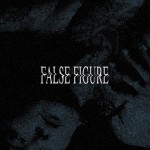
Artist: False Figure (@)
Title: Incarnate
Format: 12" + Download
Label: Cruel Subordination Records
Rated:
Title: Incarnate
Format: 12" + Download
Label: Cruel Subordination Records
Rated:
Post-punk has reached the age where it risks becoming its own taxidermy exhibit. Too many bands lovingly reconstruct the same grey corridors, the same skeletal basslines, the same emotionally unavailable men staring at rain through industrial windows as if they personally invented disappointment. Fortunately, Incarnate by False Figure avoids that particular museum-piece syndrome by remembering something essential: anger still has a pulse, melancholy still sweats, and politics become much more convincing when attached to actual human wounds rather than fashionable eyeliner geometry.
Released through their label Cruel Subordination Records, "Incarnate" arrives from Oakland carrying the familiar DNA of darkwave and post-punk, yet refusing to remain trapped inside genre nostalgia. The band clearly understands the tradition they inhabit, but they approach it less as retro reenactment and more as emotional infrastructure: a language for processing anxiety, manipulation, social violence, emotional exhaustion, and the slow corrosion of trust in both institutions and people.
The opening “Intro” functions like a gathering storm rather than a standalone composition, setting a tense emotional atmosphere before “Original Sin” erupts with one of the album’s strongest moments. The track balances rock wave rhythm work with a bleak lyrical perspective that feels simultaneously personal and societal. The imagery of seduction, decay, blame, and moral collapse evokes a world where destruction has become ambient background noise. Yet the song never collapses into theatrical nihilism. False Figure understand that genuine despair rarely arrives dramatically; more often it seeps slowly into daily life like damp through concrete.
Musically, the band sits somewhere between classic deathrock sharpness, darker strains of modern post-punk, and flashes of coldwave atmosphere, but without sounding overly curated by algorithmic goth playlists. There are traces of Asylum Party in the melodic sensibility, echoes of early industrial tension, and occasionally the emotional directness of darker punk traditions. Still, "Incarnate" feels less interested in aesthetic purity than emotional momentum.
“Favorite Game” shifts inward toward toxic relational dynamics, and it does so with a kind of bitter clarity that avoids melodrama. The lyrics dissect manipulation with unnerving simplicity, while the instrumentation maintains a restless propulsion underneath. The recurring sensation across the album is movement. Even when songs dwell on paralysis, betrayal, or grief, the band refuses stagnation. The emotional states remain unstable, unresolved, alive.
That sense of motion becomes one of "Incarnate"’s greatest strengths. Many contemporary post-punk albums flatten themselves into a single monochrome mood for forty-five minutes, mistaking consistency for depth. False Figure instead allow emotional contradictions to coexist. “Deseos” introduces vulnerability and exhaustion without sacrificing tension, while “Flowers in Bloom” briefly softens the sonic edges into something almost mournfully romantic.
Almost.
Because even at its gentlest, the album carries splinters under the skin.
“Flowers in Bloom” may be one of the record’s emotional high points. Its imagery of barren gardens, tenderness turning bitter, and love decomposing into memory taps into a deeply human exhaustion. The track understands that failed intimacy leaves behind strange archaeological layers. Relationships do not disappear cleanly; they linger as emotional debris scattered around ordinary life. Human beings spend years learning communication only to weaponize it creatively inside romantic relationships. Evolution remains a work in progress.
Then comes “Say Nothing”, where the album’s simmering political undercurrent fully ignites. The track channels rage toward systemic violence, social control, and institutional brutality without descending into slogan-heavy simplicity. Crucially, the anger feels earned. False Figure avoid the trap of performative radicalism because the emotional tension has already been building throughout the record. Personal trauma and political collapse are shown as interconnected systems rather than separate themes.
The urgency here recalls moments from politically conscious punk and industrial traditions, but filtered through contemporary exhaustion. The song sounds less like triumphant rebellion and more like people realizing they have been cornered for too long.
“Hand of Malice” and “Fields of Woe” deepen the album’s haunted atmosphere, leaning into dread and existential fatigue. There is an especially effective use of pacing throughout the record; shorter tracks prevent the emotional density from becoming oppressive while maintaining narrative continuity. The sequencing feels deliberate, almost cinematic in how moods bleed into one another.
The inclusion of “Julia”, originally by Asylum Party, is particularly revealing. Rather than functioning as nostalgic homage, the cover highlights False Figure’s understanding of emotional minimalism within coldwave traditions. They preserve the fragile melancholy of the original while integrating it naturally into the album’s broader emotional architecture.
Closing track “Trepidation” leaves the listener suspended between paranoia, ideological manipulation, and social fragmentation. Its repeated question, “What’s it like having your mind made up for you?”, lands with uncomfortable relevance in an era where outrage itself has become industrialized. The imagery of marching boots and fear-stricken crowds never feels historically distant. "Incarnate" recognizes how quickly societies normalize cruelty once exhaustion overtakes empathy.
What ultimately makes this album interesting is not innovation in the abstract sense. False Figure are not trying to reinvent post-punk from scratch. Instead, they revitalize it emotionally. They remember that this music originally emerged from fracture, alienation, political anxiety, and bodily tension, not merely from carefully curated vintage aesthetics and monochrome Instagram filters.
"Incarnate" breathes because its wounds still feel open. Beneath the chorus pedals, driving basslines, and nocturnal atmosphere lies something increasingly rare: sincerity sharp enough to cut through style itself.
A dark, bruised, and surprisingly human record, then. Music for sleepless cities, collapsing certainties, and all the people still trying to locate fragments of dignity while the world keeps asking them to become numb instead.
Released through their label Cruel Subordination Records, "Incarnate" arrives from Oakland carrying the familiar DNA of darkwave and post-punk, yet refusing to remain trapped inside genre nostalgia. The band clearly understands the tradition they inhabit, but they approach it less as retro reenactment and more as emotional infrastructure: a language for processing anxiety, manipulation, social violence, emotional exhaustion, and the slow corrosion of trust in both institutions and people.
The opening “Intro” functions like a gathering storm rather than a standalone composition, setting a tense emotional atmosphere before “Original Sin” erupts with one of the album’s strongest moments. The track balances rock wave rhythm work with a bleak lyrical perspective that feels simultaneously personal and societal. The imagery of seduction, decay, blame, and moral collapse evokes a world where destruction has become ambient background noise. Yet the song never collapses into theatrical nihilism. False Figure understand that genuine despair rarely arrives dramatically; more often it seeps slowly into daily life like damp through concrete.
Musically, the band sits somewhere between classic deathrock sharpness, darker strains of modern post-punk, and flashes of coldwave atmosphere, but without sounding overly curated by algorithmic goth playlists. There are traces of Asylum Party in the melodic sensibility, echoes of early industrial tension, and occasionally the emotional directness of darker punk traditions. Still, "Incarnate" feels less interested in aesthetic purity than emotional momentum.
“Favorite Game” shifts inward toward toxic relational dynamics, and it does so with a kind of bitter clarity that avoids melodrama. The lyrics dissect manipulation with unnerving simplicity, while the instrumentation maintains a restless propulsion underneath. The recurring sensation across the album is movement. Even when songs dwell on paralysis, betrayal, or grief, the band refuses stagnation. The emotional states remain unstable, unresolved, alive.
That sense of motion becomes one of "Incarnate"’s greatest strengths. Many contemporary post-punk albums flatten themselves into a single monochrome mood for forty-five minutes, mistaking consistency for depth. False Figure instead allow emotional contradictions to coexist. “Deseos” introduces vulnerability and exhaustion without sacrificing tension, while “Flowers in Bloom” briefly softens the sonic edges into something almost mournfully romantic.
Almost.
Because even at its gentlest, the album carries splinters under the skin.
“Flowers in Bloom” may be one of the record’s emotional high points. Its imagery of barren gardens, tenderness turning bitter, and love decomposing into memory taps into a deeply human exhaustion. The track understands that failed intimacy leaves behind strange archaeological layers. Relationships do not disappear cleanly; they linger as emotional debris scattered around ordinary life. Human beings spend years learning communication only to weaponize it creatively inside romantic relationships. Evolution remains a work in progress.
Then comes “Say Nothing”, where the album’s simmering political undercurrent fully ignites. The track channels rage toward systemic violence, social control, and institutional brutality without descending into slogan-heavy simplicity. Crucially, the anger feels earned. False Figure avoid the trap of performative radicalism because the emotional tension has already been building throughout the record. Personal trauma and political collapse are shown as interconnected systems rather than separate themes.
The urgency here recalls moments from politically conscious punk and industrial traditions, but filtered through contemporary exhaustion. The song sounds less like triumphant rebellion and more like people realizing they have been cornered for too long.
“Hand of Malice” and “Fields of Woe” deepen the album’s haunted atmosphere, leaning into dread and existential fatigue. There is an especially effective use of pacing throughout the record; shorter tracks prevent the emotional density from becoming oppressive while maintaining narrative continuity. The sequencing feels deliberate, almost cinematic in how moods bleed into one another.
The inclusion of “Julia”, originally by Asylum Party, is particularly revealing. Rather than functioning as nostalgic homage, the cover highlights False Figure’s understanding of emotional minimalism within coldwave traditions. They preserve the fragile melancholy of the original while integrating it naturally into the album’s broader emotional architecture.
Closing track “Trepidation” leaves the listener suspended between paranoia, ideological manipulation, and social fragmentation. Its repeated question, “What’s it like having your mind made up for you?”, lands with uncomfortable relevance in an era where outrage itself has become industrialized. The imagery of marching boots and fear-stricken crowds never feels historically distant. "Incarnate" recognizes how quickly societies normalize cruelty once exhaustion overtakes empathy.
What ultimately makes this album interesting is not innovation in the abstract sense. False Figure are not trying to reinvent post-punk from scratch. Instead, they revitalize it emotionally. They remember that this music originally emerged from fracture, alienation, political anxiety, and bodily tension, not merely from carefully curated vintage aesthetics and monochrome Instagram filters.
"Incarnate" breathes because its wounds still feel open. Beneath the chorus pedals, driving basslines, and nocturnal atmosphere lies something increasingly rare: sincerity sharp enough to cut through style itself.
A dark, bruised, and surprisingly human record, then. Music for sleepless cities, collapsing certainties, and all the people still trying to locate fragments of dignity while the world keeps asking them to become numb instead.
Mana ERG: Concealed Under A Strange Tongue
This album is a bit of an enigma wrapped in a riddle but a somewhat familiar one. Mana ERG is Bruno De Angelis, having released albums since 1990, both under his own name and Mana ERG. ( I can't help but think the name comes from Van Der Graaf Generator's "Man Erg" track on the 'Pawn Hears' album.) Bruno is also one half of LHAM (Leaving Hardly A Mark) with Giuseppe Verticchio, whose albums I have reviewed here previously. Both LHAM and Mana ERG are soundscape projects, but actually quite different. For one, LHAM is a bit darker with more industrial touches, not to say that Mana ERG doesn't have those moments. De Angelis definitely leaves a unique fingerprint on the music, and now I can see why LHAM is the way it is. If I had to assign a simple genre category for 'Concealed Under A Strange Tongue,' I'd call it Experimental Ambient, but this is a long way off from any kind of conventional ambient music. That the album was mastered by Chain D.L.K.'s own Marc Urselli, which is a big plus. (If you want your album to sound great, go with a Grammy Ward winner who understands what you're trying to achieve.) This is the only Mana ERG album I've heard out of the ten or so that have been released.
The album consists of 12 tracks that seem to resemble some type of fever dream. Bruno describes the album as "twelve instrumentals blending obscure rock textures with cinematic soundscapes...a final salute to the band's legacy and memory of Renaissance soprano Deborah Roberts." (Renaissance being the music genre not the progressive rock band of the same name. That would be Annie Haslam, who is still alive by the way.) The cinematic aspect of this album is partially due to Movie and TV series dialogue samples discreetly woven into the music, such as 'Apocalypse New!', 'Birdman', Blacklist', and others. The album begins with the sound of footsteps walking, a door opening or closing, then some acoustic guitar ("Responsive Pseudofingers") before moving into more rock-oriented terrain. Hey! This even sounds like the opening to a film! "Shades of Vermilion" is at first a confusing jumble of sounds and voices before it takes form as some kind of bizarre ritual or ceremonial semi-psychedelic...thing. (Think latter-day Swans.) "Alea Iacta" features the soothing voice of James Spader while surfing some strange exotica. I don't even know how to describe "Graceful Emanations" except that it sounds a little like something the French band AIR would do in their more experimental moments. While track 5, "Penumbra," will likely be remembered most for Emma Stone's quote "Who the fuck are you? You don't even have a Facebook page. You're the one who doesn't exist!" it is really much more than that. "Graves Of The Fireflies" is the ultimate fever dream piece on the album, and that mysterious, squeaky noise could be anything but firefles...maybe an oscillator?
"How Faint The Tune" WWII Foo Fighters and "How High The Moon" - an ode to distant UFOs and the past, still an enigma today. I think by now you might get the idea of what this album sounds like so I will dispense with describing the rest of the tracks on it. They are all different, but is a similar vein. This is great stuff, just as good as LHAM but in a different way, so if you enjoy that project, you will definitely enjoy this one. The album drops May 20th, and there is no Bandcamp link to it yet, so you will have to take my word, at least until then. Worthy and highly recommended.
The album consists of 12 tracks that seem to resemble some type of fever dream. Bruno describes the album as "twelve instrumentals blending obscure rock textures with cinematic soundscapes...a final salute to the band's legacy and memory of Renaissance soprano Deborah Roberts." (Renaissance being the music genre not the progressive rock band of the same name. That would be Annie Haslam, who is still alive by the way.) The cinematic aspect of this album is partially due to Movie and TV series dialogue samples discreetly woven into the music, such as 'Apocalypse New!', 'Birdman', Blacklist', and others. The album begins with the sound of footsteps walking, a door opening or closing, then some acoustic guitar ("Responsive Pseudofingers") before moving into more rock-oriented terrain. Hey! This even sounds like the opening to a film! "Shades of Vermilion" is at first a confusing jumble of sounds and voices before it takes form as some kind of bizarre ritual or ceremonial semi-psychedelic...thing. (Think latter-day Swans.) "Alea Iacta" features the soothing voice of James Spader while surfing some strange exotica. I don't even know how to describe "Graceful Emanations" except that it sounds a little like something the French band AIR would do in their more experimental moments. While track 5, "Penumbra," will likely be remembered most for Emma Stone's quote "Who the fuck are you? You don't even have a Facebook page. You're the one who doesn't exist!" it is really much more than that. "Graves Of The Fireflies" is the ultimate fever dream piece on the album, and that mysterious, squeaky noise could be anything but firefles...maybe an oscillator?
"How Faint The Tune" WWII Foo Fighters and "How High The Moon" - an ode to distant UFOs and the past, still an enigma today. I think by now you might get the idea of what this album sounds like so I will dispense with describing the rest of the tracks on it. They are all different, but is a similar vein. This is great stuff, just as good as LHAM but in a different way, so if you enjoy that project, you will definitely enjoy this one. The album drops May 20th, and there is no Bandcamp link to it yet, so you will have to take my word, at least until then. Worthy and highly recommended.
Trondheim Jazz Orchestra & Marianna Sangita Angeletaki R?e: Spiti/Home

Artist: Trondheim Jazz Orchestra & Marianna Sangita Angeletaki R?e (@)
Title: Spiti/Home
Format: 12" x 2 + Download
Label: Pluritone
Rated:

Title: Spiti/Home
Format: 12" x 2 + Download
Label: Pluritone
Rated:
The word “fusion” has suffered a long and difficult life. Somewhere along the way it became associated with overly polished virtuosity, airport-jazz catastrophes, or musicians aggressively demonstrating that they attended conservatory while nobody asked. Thankfully, Spiti/Home avoids nearly all those traps by remembering something essential: cultural convergence only becomes meaningful when it carries emotional necessity rather than curatorial ambition.
Led by Marianna Sangita Angeletaki Røe alongside the ever-shifting collective force of Trondheim Jazz Orchestra, this expansive live double album released through Pluritone feels less like a carefully managed world music project and more like the audible construction of identity itself: unstable, multilingual, contradictory, porous, alive.
The title says almost everything. “Spiti”, Greek for “home”, becomes not merely a place but an ongoing negotiation between landscapes, memories, languages, and emotional geographies. Røe’s biography alone already contains enough contrasts to destabilize simplistic notions of belonging: Mykonos sunlight, Sámi environments in Kautokeino, Trondheim’s colder Nordic spaces. Mediterranean warmth colliding with Scandinavian openness. Tradition intersecting improvisation. Personal history becoming sonic architecture.
And crucially, "Spiti/Home" never treats these intersections as exotic decoration. Too many cross-cultural jazz projects resemble diplomatic conferences with percussion solos, everyone politely coexisting while avoiding actual friction. Here, the different traditions genuinely interact, challenge, and reshape one another. The music breathes collectively.
The ensemble itself is extraordinary. Fourteen musicians moving through oud, hurdy-gurdy, Hardanger fiddle, tabla, accordion, bansuri, tuba, saxophone, electronics, bagpipes from Mykonos, Sámi vocal traditions, and contemporary jazz improvisation sounds on paper like the kind of idea capable of collapsing into multicultural chaos within seven minutes. Yet the album succeeds because it is grounded not in spectacle but in listening. Every player leaves space for the others. The arrangements expand organically rather than competitively.
“Olo Bros” immediately establishes the album’s emotional scale. Rhythms pulse with ceremonial energy while voices intertwine across cultural and linguistic boundaries. There is movement everywhere, yet no sense of forced complexity. Røe’s compositional instincts are remarkably generous; she allows melodies to travel through the ensemble naturally, gathering different textures as they move.
The live recording aspect matters enormously. Captured across festivals including Oslo World and Molde Mundo, the performances retain the unpredictability and physicality of collective music-making. One hears musicians reacting to each other in real time, not merely executing arrangements. Tiny imperfections become evidence of life rather than problems requiring correction. Humanity continues trying to sterilize art through perfection while audiences remain emotionally destroyed by breathing and vulnerability.
“Trouble” carries one of the album’s strongest emotional currents. The interplay between Mediterranean melodic sensibilities and Nordic spaciousness creates a fascinating tension, while the ensemble shifts fluidly between intimacy and eruption. Efrén López Sanz deserves special mention here, not only for his instrumental contributions but for the sensitive production and mixing work that preserves the music’s density without flattening its nuances.
Elsewhere, the album drifts into quieter territories. “Kom til meg” and “Døra” reveal Røe’s gift for emotional clarity without sentimentality. Her voice carries warmth but also uncertainty, longing, movement between identities. These songs never romanticize rootlessness, yet they find beauty within the instability of belonging to multiple places simultaneously.
The presence of Sámi traditions throughout the album adds another vital dimension. “Beaivelottáš” and elements of “Rootless”, enriched by Risten Anine Gaup, deepen the album’s exploration of cultural memory and land. These moments avoid tokenism entirely because they emerge from lived relationships rather than aesthetic tourism. The music understands heritage as something active and evolving, not museum material.
Instrumentally, the record is consistently absorbing. Sanskriti Shrestha brings extraordinary rhythmic sensitivity, while Jonas Cambien subtly threads electronics and keyboards into the ensemble without overwhelming its acoustic textures. The low-end foundation provided by cello, bass, and tuba often gives the album a quietly monumental gravity beneath its melodic openness.
“Sommerfuglen/Svalen” becomes one of the album’s most luminous moments, balancing delicacy and propulsion beautifully. The arrangement unfolds like migrating currents of air and memory, voices and instruments circling each other with almost ritual patience. Meanwhile “Tipota” closes the emotional distance between Mediterranean folk resonance and contemporary jazz improvisation so naturally that the distinction eventually feels irrelevant.
And then there is “Rootless”, perhaps the album’s emotional core. The title alone risks cliché in lesser hands, yet here it becomes something more nuanced. Røe does not frame rootlessness as fashionable cosmopolitan identity branding. Instead, the piece acknowledges displacement, multiplicity, and belonging as ongoing emotional conditions. Home is not presented as fixed geography but as something temporarily assembled through sound, memory, and human connection.
That may be the album’s greatest achievement. "Spiti/Home" creates a genuine musical commons without dissolving individual traditions into vague global abstraction. The differences remain audible. The frictions remain audible. Yet they coexist inside a larger emotional and sonic ecology built on openness rather than domination.
At its best, the album feels like standing at a shoreline where multiple seas meet without losing themselves entirely. Not a melting pot. More like converging currents, each carrying histories, languages, and emotional temperatures into shared movement.
A rare thing: an ambitious large-ensemble work that actually earns its ambition.
Led by Marianna Sangita Angeletaki Røe alongside the ever-shifting collective force of Trondheim Jazz Orchestra, this expansive live double album released through Pluritone feels less like a carefully managed world music project and more like the audible construction of identity itself: unstable, multilingual, contradictory, porous, alive.
The title says almost everything. “Spiti”, Greek for “home”, becomes not merely a place but an ongoing negotiation between landscapes, memories, languages, and emotional geographies. Røe’s biography alone already contains enough contrasts to destabilize simplistic notions of belonging: Mykonos sunlight, Sámi environments in Kautokeino, Trondheim’s colder Nordic spaces. Mediterranean warmth colliding with Scandinavian openness. Tradition intersecting improvisation. Personal history becoming sonic architecture.
And crucially, "Spiti/Home" never treats these intersections as exotic decoration. Too many cross-cultural jazz projects resemble diplomatic conferences with percussion solos, everyone politely coexisting while avoiding actual friction. Here, the different traditions genuinely interact, challenge, and reshape one another. The music breathes collectively.
The ensemble itself is extraordinary. Fourteen musicians moving through oud, hurdy-gurdy, Hardanger fiddle, tabla, accordion, bansuri, tuba, saxophone, electronics, bagpipes from Mykonos, Sámi vocal traditions, and contemporary jazz improvisation sounds on paper like the kind of idea capable of collapsing into multicultural chaos within seven minutes. Yet the album succeeds because it is grounded not in spectacle but in listening. Every player leaves space for the others. The arrangements expand organically rather than competitively.
“Olo Bros” immediately establishes the album’s emotional scale. Rhythms pulse with ceremonial energy while voices intertwine across cultural and linguistic boundaries. There is movement everywhere, yet no sense of forced complexity. Røe’s compositional instincts are remarkably generous; she allows melodies to travel through the ensemble naturally, gathering different textures as they move.
The live recording aspect matters enormously. Captured across festivals including Oslo World and Molde Mundo, the performances retain the unpredictability and physicality of collective music-making. One hears musicians reacting to each other in real time, not merely executing arrangements. Tiny imperfections become evidence of life rather than problems requiring correction. Humanity continues trying to sterilize art through perfection while audiences remain emotionally destroyed by breathing and vulnerability.
“Trouble” carries one of the album’s strongest emotional currents. The interplay between Mediterranean melodic sensibilities and Nordic spaciousness creates a fascinating tension, while the ensemble shifts fluidly between intimacy and eruption. Efrén López Sanz deserves special mention here, not only for his instrumental contributions but for the sensitive production and mixing work that preserves the music’s density without flattening its nuances.
Elsewhere, the album drifts into quieter territories. “Kom til meg” and “Døra” reveal Røe’s gift for emotional clarity without sentimentality. Her voice carries warmth but also uncertainty, longing, movement between identities. These songs never romanticize rootlessness, yet they find beauty within the instability of belonging to multiple places simultaneously.
The presence of Sámi traditions throughout the album adds another vital dimension. “Beaivelottáš” and elements of “Rootless”, enriched by Risten Anine Gaup, deepen the album’s exploration of cultural memory and land. These moments avoid tokenism entirely because they emerge from lived relationships rather than aesthetic tourism. The music understands heritage as something active and evolving, not museum material.
Instrumentally, the record is consistently absorbing. Sanskriti Shrestha brings extraordinary rhythmic sensitivity, while Jonas Cambien subtly threads electronics and keyboards into the ensemble without overwhelming its acoustic textures. The low-end foundation provided by cello, bass, and tuba often gives the album a quietly monumental gravity beneath its melodic openness.
“Sommerfuglen/Svalen” becomes one of the album’s most luminous moments, balancing delicacy and propulsion beautifully. The arrangement unfolds like migrating currents of air and memory, voices and instruments circling each other with almost ritual patience. Meanwhile “Tipota” closes the emotional distance between Mediterranean folk resonance and contemporary jazz improvisation so naturally that the distinction eventually feels irrelevant.
And then there is “Rootless”, perhaps the album’s emotional core. The title alone risks cliché in lesser hands, yet here it becomes something more nuanced. Røe does not frame rootlessness as fashionable cosmopolitan identity branding. Instead, the piece acknowledges displacement, multiplicity, and belonging as ongoing emotional conditions. Home is not presented as fixed geography but as something temporarily assembled through sound, memory, and human connection.
That may be the album’s greatest achievement. "Spiti/Home" creates a genuine musical commons without dissolving individual traditions into vague global abstraction. The differences remain audible. The frictions remain audible. Yet they coexist inside a larger emotional and sonic ecology built on openness rather than domination.
At its best, the album feels like standing at a shoreline where multiple seas meet without losing themselves entirely. Not a melting pot. More like converging currents, each carrying histories, languages, and emotional temperatures into shared movement.
A rare thing: an ambitious large-ensemble work that actually earns its ambition.