
Wednesday, June 17, 2026
Browse by Genre
Industrial Music / Industrial Metal / Aggro Industrial / Electro Metal
Industrial Noise / Power Noise / Harsh Noise
Synth Pop / Electro Pop / Synth-Electronica
Techno / Trance / Goa / Drum'n'Bass / Jungle / Tribal / Trip-Hop
Ambient / Electronica / Ethereal / Dub / Soundscapes / Abstract
Experimental / Avantgarde / Weird & Wired / Glitch / Noise / Field Recording
Dark / Gothic / Wave / New Wave / Dark Wave / Industrial Gothic
New Music / Downtown / Avantgarde Jazz / New Classical / World
Search Reviews
Music Reviews
Sorry For Laughing: Sun Comes
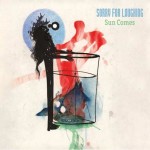
Gordon H. Whitlow’s project Sorry For Laughing is a bit like a vintage watch — steeped in tradition, meticulously crafted, and ticking to its own peculiar rhythm. With "Sun Comes", the group's latest release, Whitlow, and his ensemble offer a timepiece for those who measure life in moments of sonic exploration rather than minutes and hours.
Whitlow, a key figure in the avant-garde collective Biota (formerly Mnemonist Orchestra), has always been an architect of sound, constructing immersive soundscapes that defy genre conventions. This album, however, marks a new chapter. After a hiatus of three decades, Whitlow reactivated Sorry For Laughing, transforming it from a solo endeavor into a supergroup of sorts. Joined by the likes of Edward Ka-Spel (Legendary Pink Dots), Martyn Bates (Eyeless In Gaza), Patrick Q-Wright, and guitarist Janet Feder, the project now brims with a collaborative energy that feels both fresh and steeped in history.
"Sun Comes" plays out like an aural chronicle of a day in the life—if that life were lived in a place where time folds back on itself and melodies dissolve into abstraction. The album opens with "Emerge (Sense The Dawn)", a brief yet potent prelude that feels like the first rays of sunlight cracking open the sky. It’s a gentle, almost reverential start that sets the tone for the unfolding journey. Whitlow and company are in no rush here; they allow their compositions to breathe, giving each moment its due without any hurry to reach a conclusion.
The title track, "Sun Comes", is a fleeting but vivid burst of light — a mere two minutes of ephemeral beauty that leaves as quickly as it arrives. It's the musical equivalent of catching a glimpse of something extraordinary out of the corner of your eye, only to have it disappear before you can fully process it.
As the album progresses, tracks like "Give The Day, Take The Day" and "Struggle Then Redemption" (both in reality belongs to "Sun Comes" suite and the first 6 tracks, if you follow the track list detachment also visible on the release Bandcamp page) expand on this theme, moving through phases of tension and release, dissonance and harmony. "Give The Day, Take The Day" is particularly noteworthy for its patient unfolding, a nine-minute exploration that feels like a full day encapsulated in sound. It’s a piece that rewards deep listening, revealing layers of complexity beneath its deceptively simple surface.
Edward Ka-Spel’s contributions are unmistakable, particularly in the album’s more experimental moments. His presence adds an otherworldly dimension, with his signature blend of spoken word and esoteric electronics weaving in and out of the mix.
One of the album's most intriguing aspects is its ability to evoke a sense of nostalgia without succumbing to it. "The Three Roses" and "Adam Lay Ybounden" nod to old English folk traditions, but these are refracted through the band’s avant-garde lens, transforming them into something entirely new. The former is a delicate, almost fragile piece, while the latter is a darker, more brooding affair—both pieces echoing across time and space, yet anchored firmly in the present.
The album closes with "So, You Rest Easy" a sprawling twelve-minute track that feels like the final exhale after a long day. It’s a fitting end to an album that is as much about the spaces between the notes as it is about the notes themselves.
In "Sun Comes", Sorry For Laughing has created something that defies easy categorization. It’s an album that demands patience and rewards it tenfold. For those willing to invest the time, it offers a rich, immersive experience that is as intellectually stimulating as it is emotionally resonant. Whitlow and his collaborators have crafted a work that is not just a collection of songs but a journey—a journey that, like life itself, is full of unexpected twists, fleeting moments of beauty, and the occasional struggle for redemption.
Whitlow, a key figure in the avant-garde collective Biota (formerly Mnemonist Orchestra), has always been an architect of sound, constructing immersive soundscapes that defy genre conventions. This album, however, marks a new chapter. After a hiatus of three decades, Whitlow reactivated Sorry For Laughing, transforming it from a solo endeavor into a supergroup of sorts. Joined by the likes of Edward Ka-Spel (Legendary Pink Dots), Martyn Bates (Eyeless In Gaza), Patrick Q-Wright, and guitarist Janet Feder, the project now brims with a collaborative energy that feels both fresh and steeped in history.
"Sun Comes" plays out like an aural chronicle of a day in the life—if that life were lived in a place where time folds back on itself and melodies dissolve into abstraction. The album opens with "Emerge (Sense The Dawn)", a brief yet potent prelude that feels like the first rays of sunlight cracking open the sky. It’s a gentle, almost reverential start that sets the tone for the unfolding journey. Whitlow and company are in no rush here; they allow their compositions to breathe, giving each moment its due without any hurry to reach a conclusion.
The title track, "Sun Comes", is a fleeting but vivid burst of light — a mere two minutes of ephemeral beauty that leaves as quickly as it arrives. It's the musical equivalent of catching a glimpse of something extraordinary out of the corner of your eye, only to have it disappear before you can fully process it.
As the album progresses, tracks like "Give The Day, Take The Day" and "Struggle Then Redemption" (both in reality belongs to "Sun Comes" suite and the first 6 tracks, if you follow the track list detachment also visible on the release Bandcamp page) expand on this theme, moving through phases of tension and release, dissonance and harmony. "Give The Day, Take The Day" is particularly noteworthy for its patient unfolding, a nine-minute exploration that feels like a full day encapsulated in sound. It’s a piece that rewards deep listening, revealing layers of complexity beneath its deceptively simple surface.
Edward Ka-Spel’s contributions are unmistakable, particularly in the album’s more experimental moments. His presence adds an otherworldly dimension, with his signature blend of spoken word and esoteric electronics weaving in and out of the mix.
One of the album's most intriguing aspects is its ability to evoke a sense of nostalgia without succumbing to it. "The Three Roses" and "Adam Lay Ybounden" nod to old English folk traditions, but these are refracted through the band’s avant-garde lens, transforming them into something entirely new. The former is a delicate, almost fragile piece, while the latter is a darker, more brooding affair—both pieces echoing across time and space, yet anchored firmly in the present.
The album closes with "So, You Rest Easy" a sprawling twelve-minute track that feels like the final exhale after a long day. It’s a fitting end to an album that is as much about the spaces between the notes as it is about the notes themselves.
In "Sun Comes", Sorry For Laughing has created something that defies easy categorization. It’s an album that demands patience and rewards it tenfold. For those willing to invest the time, it offers a rich, immersive experience that is as intellectually stimulating as it is emotionally resonant. Whitlow and his collaborators have crafted a work that is not just a collection of songs but a journey—a journey that, like life itself, is full of unexpected twists, fleeting moments of beauty, and the occasional struggle for redemption.
Pelayo Arrizabalaga & Eli Gras: ?ridos
Artist: Pelayo Arrizabalaga & Eli Gras (@)
Title: ?ridos
Format: CD
Label: La Olla Expr?ss (http://www.laollaexpress.com/) (@)
Rated:


Title: ?ridos
Format: CD
Label: La Olla Expr?ss (http://www.laollaexpress.com/) (@)
Rated:
At first glance, "Áridos" might seem like another quirky footnote in the ever-expanding catalogue of avant-garde sound art. But don't be fooled—this album is a masterclass in the art of controlled chaos, a deliberate journey into the sonic unknown that feels as organic as it is engineered.
Pelayo Arrizabalaga and Eli Gras, two veterans of Spain's experimental music scene, have once again joined forces, bringing together decades of experience in everything from electroacoustic improvisation to noise, free jazz, and beyond. With "Áridos", they delve deep into the textural possibilities of their instruments — Arrizabalaga's clarinet and electronics clash and coalesce with Gras's electric guitar and her beloved "sound engines", custom-built contraptions that defy easy classification.
The album opens with "Playa Vertical" a nine-minute odyssey that feels like a cross between a hard awakening and a surrealist dream. The track sets the tone for what’s to come: dissonance and harmony locked in an eternal struggle, each sound carefully placed yet tinged with a sense of unpredictability. Arrizabalaga's clarinet squeaks and wails as if it's trying to escape its own body, while Gras's guitar oscillates between jagged riffs and eerie drones, a haunted signal from a distant planet.
As the album progresses, tracks like "Grava Técnica" and "Agua Negra" reveal the duo's penchant for exploring the tension between structure and spontaneity. The former is a study in mechanical precision, with percussive elements that evoke the grinding of gears and the click of levers, while the latter plunges into darker, more meditative territory, as if the listener is being submerged in a pool of viscous, sonic tar. Both tracks, however, share a meticulous attention to detail—a hallmark of both artists’ work, honed over years of boundary-pushing collaborations.
It’s hard not to draw parallels with other avant-garde duos, perhaps Pierre Bastien's mechanical orchestras or even early AMM. But where those artists often lean into abstraction, "Áridos" maintains a sense of narrative, however fractured it may be. Even the most abrasive moments—like the harsh, feedback-laden "Turbio" or the jarring "Pixel" — feel like they’re part of a larger story, a tale of erosion and decay that’s as beautiful as it is unsettling.
One could argue that "Áridos" is a commentary on the modern world's detritus—physical, emotional, and digital. The album’s title itself hints at barren landscapes, at the desolate spaces left behind after the tide of human progress recedes. But this isn't a work of despair; it's more of a reclamation project. By repurposing discarded sounds, broken melodies, and glitchy rhythms, Arrizabalaga and Gras construct something new and vital, a monument to the power of creative resilience.
In a way, "Áridos" feels like an album that’s always on the verge of falling apart, but never quite does. It's a balancing act between the raw and the refined, the accidental and the intentional. And perhaps that's what makes it so compelling. Every spin reveals new layers, new connections between the sounds, new insights into the minds of its creators.
If you’re looking for an easy listen, "Áridos" is not for you. But if you’re willing to let go of preconceived notions about what music can be, you’ll find in this album a rich, rewarding experience that lingers long after the last note has faded.
Pelayo Arrizabalaga and Eli Gras, two veterans of Spain's experimental music scene, have once again joined forces, bringing together decades of experience in everything from electroacoustic improvisation to noise, free jazz, and beyond. With "Áridos", they delve deep into the textural possibilities of their instruments — Arrizabalaga's clarinet and electronics clash and coalesce with Gras's electric guitar and her beloved "sound engines", custom-built contraptions that defy easy classification.
The album opens with "Playa Vertical" a nine-minute odyssey that feels like a cross between a hard awakening and a surrealist dream. The track sets the tone for what’s to come: dissonance and harmony locked in an eternal struggle, each sound carefully placed yet tinged with a sense of unpredictability. Arrizabalaga's clarinet squeaks and wails as if it's trying to escape its own body, while Gras's guitar oscillates between jagged riffs and eerie drones, a haunted signal from a distant planet.
As the album progresses, tracks like "Grava Técnica" and "Agua Negra" reveal the duo's penchant for exploring the tension between structure and spontaneity. The former is a study in mechanical precision, with percussive elements that evoke the grinding of gears and the click of levers, while the latter plunges into darker, more meditative territory, as if the listener is being submerged in a pool of viscous, sonic tar. Both tracks, however, share a meticulous attention to detail—a hallmark of both artists’ work, honed over years of boundary-pushing collaborations.
It’s hard not to draw parallels with other avant-garde duos, perhaps Pierre Bastien's mechanical orchestras or even early AMM. But where those artists often lean into abstraction, "Áridos" maintains a sense of narrative, however fractured it may be. Even the most abrasive moments—like the harsh, feedback-laden "Turbio" or the jarring "Pixel" — feel like they’re part of a larger story, a tale of erosion and decay that’s as beautiful as it is unsettling.
One could argue that "Áridos" is a commentary on the modern world's detritus—physical, emotional, and digital. The album’s title itself hints at barren landscapes, at the desolate spaces left behind after the tide of human progress recedes. But this isn't a work of despair; it's more of a reclamation project. By repurposing discarded sounds, broken melodies, and glitchy rhythms, Arrizabalaga and Gras construct something new and vital, a monument to the power of creative resilience.
In a way, "Áridos" feels like an album that’s always on the verge of falling apart, but never quite does. It's a balancing act between the raw and the refined, the accidental and the intentional. And perhaps that's what makes it so compelling. Every spin reveals new layers, new connections between the sounds, new insights into the minds of its creators.
If you’re looking for an easy listen, "Áridos" is not for you. But if you’re willing to let go of preconceived notions about what music can be, you’ll find in this album a rich, rewarding experience that lingers long after the last note has faded.
Zle Oko: Xenos

In the vast, often confounding landscape of experimental music, where genre lines blur into oblivion and the boundaries between noise and melody are constantly renegotiated, ZLE OKO’s "Xenos" stakes a claim with unyielding ferocity. If her 2019 debut "Cykuta" was a bold statement, "Xenos" is the artist doubling down, challenging listeners to traverse the jagged terrains of her soundscapes with open ears and unguarded minds.
Olga23, the creative force behind ZLE OKO, is no stranger to defying expectations. A former bassist for the downtempo punk outfit DNO, she’s brought her sensibilities as a visual artist and graphic designer to her music, creating aural collages that refuse to conform. "Xenos" is an extension of this defiance — a complex tapestry of "feminoise" drone, and punk that collides with industrial and illbient rhythms to create a sound both abrasive and hypnotic.
The album opens with "Las Intro", a track that immediately immerses you in its dark, throbbing ambiance. It’s like stepping into a forest at night, the shadows playing tricks on your mind, the sounds disorienting yet oddly familiar. As the album progresses, this atmosphere only deepens. "Zlo Uroslo" and "Nie chce Byc Najlepsz Wersja Siebie" marry gritty electronic textures with haunting vocal lines, offering a dissection of societal expectations and personal identity. It’s in these moments that ZLE OKO's self-described "feminoise" becomes most potent—an auditory protest against conformity and the oppression of self-expression.
The title track, "Xenos", serves as a centerpiece of sorts. Here, ZLE OKO delves into the alienation and otherness that the word implies. The track is a raw, pulsating exploration of dislocation, its rhythms as unsettling as they are compelling. If one were to venture a cinematic comparison, it could be likened to certain films by Cronenberg—disturbing yet impossible to look away from, or in this case, stop listening to.
Tracks like "Skowyt Niespelnionych Macic" and "Zle Oko" push the boundaries further, with distorted vocals and chaotic soundscapes that evoke a primal scream, both terrifying and cathartic. These pieces are not for the faint of heart; they demand engagement, reflection, and perhaps a certain masochistic pleasure in their sonic brutality.
Despite its abrasive nature, "Xenos" is not without moments of introspection. "Przepraszam" with its layered, almost fragile electronic pulses, feels like an apology wrapped in razor wire—sincere, but unwilling to be vulnerable without a fight. The album closes with "Las Outro", bookending the journey with a return to the dark forest, now more familiar, yet still shrouded in mystery.
What makes "Xenos" particularly compelling is its unapologetic refusal to fit neatly into any one category. Olga23’s influences are broad, ranging from early 90s industrial to feminist anarcho-punk, yet she distills these into something distinctly her own. The result is an album that is as much a reflection of the chaotic times we live in as it is a deeply personal statement of artistic intent.
In "Xenos", ZLE OKO continues to carve out her niche in the experimental music scene. It’s not an easy listen, nor is it meant to be. But for those willing to take the plunge, it offers a rich, if unsettling, exploration of the noise within and without.
Olga23, the creative force behind ZLE OKO, is no stranger to defying expectations. A former bassist for the downtempo punk outfit DNO, she’s brought her sensibilities as a visual artist and graphic designer to her music, creating aural collages that refuse to conform. "Xenos" is an extension of this defiance — a complex tapestry of "feminoise" drone, and punk that collides with industrial and illbient rhythms to create a sound both abrasive and hypnotic.
The album opens with "Las Intro", a track that immediately immerses you in its dark, throbbing ambiance. It’s like stepping into a forest at night, the shadows playing tricks on your mind, the sounds disorienting yet oddly familiar. As the album progresses, this atmosphere only deepens. "Zlo Uroslo" and "Nie chce Byc Najlepsz Wersja Siebie" marry gritty electronic textures with haunting vocal lines, offering a dissection of societal expectations and personal identity. It’s in these moments that ZLE OKO's self-described "feminoise" becomes most potent—an auditory protest against conformity and the oppression of self-expression.
The title track, "Xenos", serves as a centerpiece of sorts. Here, ZLE OKO delves into the alienation and otherness that the word implies. The track is a raw, pulsating exploration of dislocation, its rhythms as unsettling as they are compelling. If one were to venture a cinematic comparison, it could be likened to certain films by Cronenberg—disturbing yet impossible to look away from, or in this case, stop listening to.
Tracks like "Skowyt Niespelnionych Macic" and "Zle Oko" push the boundaries further, with distorted vocals and chaotic soundscapes that evoke a primal scream, both terrifying and cathartic. These pieces are not for the faint of heart; they demand engagement, reflection, and perhaps a certain masochistic pleasure in their sonic brutality.
Despite its abrasive nature, "Xenos" is not without moments of introspection. "Przepraszam" with its layered, almost fragile electronic pulses, feels like an apology wrapped in razor wire—sincere, but unwilling to be vulnerable without a fight. The album closes with "Las Outro", bookending the journey with a return to the dark forest, now more familiar, yet still shrouded in mystery.
What makes "Xenos" particularly compelling is its unapologetic refusal to fit neatly into any one category. Olga23’s influences are broad, ranging from early 90s industrial to feminist anarcho-punk, yet she distills these into something distinctly her own. The result is an album that is as much a reflection of the chaotic times we live in as it is a deeply personal statement of artistic intent.
In "Xenos", ZLE OKO continues to carve out her niche in the experimental music scene. It’s not an easy listen, nor is it meant to be. But for those willing to take the plunge, it offers a rich, if unsettling, exploration of the noise within and without.
Genetic Transmission: Offals of Emotions
Artist: Genetic Transmission (@)
Title: Offals of Emotions
Format: CD
Label: Zoharum (http://zoharum.com/) (@)
Rated:
Title: Offals of Emotions
Format: CD
Label: Zoharum (http://zoharum.com/) (@)
Rated:
Genetic Transmission’s "Offals of Emotions" stands as a profound testament to the radical fringes of noise music. Released as part of the GT Archive Series, this reissue transports listeners back to the sonic landscape of 2004, where Tomek Twardawa (Genetic Transmission's registered name) was in the midst of his most uncompromising phase. The album is not merely a collection of tracks; it’s a dense, nearly 70-minute exploration of sound at its most primal and unrefined, a challenging journey that teeters on the edge of auditory overload and meditative abstraction.
From the outset, "Offals of Emotions" bombards the listener with an unrelenting wall of sound. High-frequency feedback clashes with abrasive textures, forming a cacophony that feels more like an industrial process gone awry than anything resembling traditional music. But to reduce this work to mere noise would be to overlook the meticulous craftsmanship behind it. Twardawa doesn’t just throw sounds together; he sculpts them, layering feedback, glitches, and field recordings into a complex, evolving soundscape that demands active listening.
The album’s structure is fluid, almost formless, as it eschews conventional notions of melody, harmony, or rhythm. Instead, it thrives on tension and release, with each moment building upon the last in a seemingly endless cycle of destruction and rebirth (to venture a cinematic comparison, it could be likened to certain films by Cronenberg). There are stretches where the noise becomes almost overwhelming, only to recede into quieter, more introspective passages that offer brief moments of respite. These transitions are not random; they are deliberate, designed to push the listener to the brink before pulling them back, only to start the process anew.
There’s a certain irony in the album’s title, "Offals of Emotions", as the work seems to strip away the emotional comfort that music typically provides, leaving behind something raw, visceral, and unsettling. Yet, it is precisely in this deconstruction that the album finds its power. The noise becomes a medium through which Twardawa explores the depths of human experience, not through words or melodies, but through the very act of sonic confrontation. The harshness of the sounds mirrors the chaos and brutality of life, while the moments of calm reflect the fleeting nature of peace and clarity.
Listening to "Offals of Emotions" is akin to standing in the eye of a storm, surrounded by swirling chaos yet finding a strange sense of calm within it. Every crackle, every burst of static, every screech of feedback is a reminder that this is not passive listening. It’s a challenge, a test of endurance, and ultimately, a journey into the heart of noise.
For those familiar with the noise genre, comparisons to artists like Merzbow or Whitehouse are inevitable, yet Genetic Transmission carves out its own slot. Where Merzbow often dives headfirst into overwhelming noise, and Whitehouse channels aggression into power electronics, Twardawa’s approach is more nuanced. He doesn’t just assault the senses; he manipulates them, guiding the listener through a carefully constructed soundscape that is as much about the spaces between the noise as it is about the noise itself.
"Offals of Emotions" is a difficult album, but it’s also a deeply rewarding one for those willing to engage with it on its own terms. It’s not music in the traditional sense, but rather an experience — one that challenges, provokes, and ultimately, transforms. Whether you emerge from it feeling enlightened or unsettled, there’s no denying the impact it leaves behind. In the world of experimental noise, few albums manage to strike such a delicate balance between chaos and control, making "Offals of Emotions" a standout in Genetic Transmission’s discography and a must-listen for aficionados of the genre.
From the outset, "Offals of Emotions" bombards the listener with an unrelenting wall of sound. High-frequency feedback clashes with abrasive textures, forming a cacophony that feels more like an industrial process gone awry than anything resembling traditional music. But to reduce this work to mere noise would be to overlook the meticulous craftsmanship behind it. Twardawa doesn’t just throw sounds together; he sculpts them, layering feedback, glitches, and field recordings into a complex, evolving soundscape that demands active listening.
The album’s structure is fluid, almost formless, as it eschews conventional notions of melody, harmony, or rhythm. Instead, it thrives on tension and release, with each moment building upon the last in a seemingly endless cycle of destruction and rebirth (to venture a cinematic comparison, it could be likened to certain films by Cronenberg). There are stretches where the noise becomes almost overwhelming, only to recede into quieter, more introspective passages that offer brief moments of respite. These transitions are not random; they are deliberate, designed to push the listener to the brink before pulling them back, only to start the process anew.
There’s a certain irony in the album’s title, "Offals of Emotions", as the work seems to strip away the emotional comfort that music typically provides, leaving behind something raw, visceral, and unsettling. Yet, it is precisely in this deconstruction that the album finds its power. The noise becomes a medium through which Twardawa explores the depths of human experience, not through words or melodies, but through the very act of sonic confrontation. The harshness of the sounds mirrors the chaos and brutality of life, while the moments of calm reflect the fleeting nature of peace and clarity.
Listening to "Offals of Emotions" is akin to standing in the eye of a storm, surrounded by swirling chaos yet finding a strange sense of calm within it. Every crackle, every burst of static, every screech of feedback is a reminder that this is not passive listening. It’s a challenge, a test of endurance, and ultimately, a journey into the heart of noise.
For those familiar with the noise genre, comparisons to artists like Merzbow or Whitehouse are inevitable, yet Genetic Transmission carves out its own slot. Where Merzbow often dives headfirst into overwhelming noise, and Whitehouse channels aggression into power electronics, Twardawa’s approach is more nuanced. He doesn’t just assault the senses; he manipulates them, guiding the listener through a carefully constructed soundscape that is as much about the spaces between the noise as it is about the noise itself.
"Offals of Emotions" is a difficult album, but it’s also a deeply rewarding one for those willing to engage with it on its own terms. It’s not music in the traditional sense, but rather an experience — one that challenges, provokes, and ultimately, transforms. Whether you emerge from it feeling enlightened or unsettled, there’s no denying the impact it leaves behind. In the world of experimental noise, few albums manage to strike such a delicate balance between chaos and control, making "Offals of Emotions" a standout in Genetic Transmission’s discography and a must-listen for aficionados of the genre.
Brandkommando: 1989

Artist: Brandkommando (@)
Title: 1989
Format: CD + Download
Label: Zoharum (http://zoharum.com/) (@)
Rated:
Title: 1989
Format: CD + Download
Label: Zoharum (http://zoharum.com/) (@)
Rated:
Power electronics isn’t a genre for the masses, and BRANDKOMMANDO’s "1989" is no exception. The album, released by Zoharum in January 2023, immerses listeners in the dark, oppressive world of Romania’s 1989 revolution. This isn’t just music — it’s a sonic documentary of terror, revolt, and the raw, ugly mechanics of a totalitarian regime collapsing in on itself.
BRANDKOMMANDO, a leading force in Polish power electronics, has always excelled at channeling socio-political anger into abrasive, challenging soundscapes. With "1989", Karol Wachowski (the man behind this project's curtains) has crafted a concept album that dives deep into the turmoil of Nicolae Ceauescu’s Romania, capturing the brutality and desperation of that period with an unflinching gaze.
From the opening title track, "1989", you’re thrust into a cauldron of harsh noise and distorted vocals, a relentless assault on the senses that reflects the chaos of revolution. This track sets the tone for the rest of the album, establishing an atmosphere of suffocating tension and paranoia. It's a four-minute introduction to a soundscape that feels like it could crumble under its own weight at any moment—a perfect reflection of the state apparatus in its death throes.
"Soarele Carpatilor", the second track, intensifies the dread with a grinding, mechanical rhythm that evokes the drudgery and fear of life under Ceauescu. The title, meaning "The Sun of the Carpathians", ironically refers to Ceauescu’s grandiose self-stylization. The track’s sinister undertones and relentless drive mirror the oppressive nature of a regime that demanded adoration while instilling terror.
"Teroare", the album's centerpiece, is a nine-minute descent into aural horror. Here, BRANDKOMMANDO pulls no punches, layering samples, screams, and noise to create an overwhelming sense of dread. It’s an audio depiction of the fear that gripped the nation as the Securitate, Ceauescu’s feared secret police, attempted to crush dissent. The track builds and builds, refusing release, much like the inexorable rise of revolutionary fervor in Romania.
The final track, "Securitate", is a 15-minute epic that stands as a brutal reminder of the machinery of oppression. The track’s length and oppressive soundscapes reflect the omnipresent surveillance and repression that characterized the Securitate. Yet, in its relentless drive, there is a hint of the inevitability of collapse — a slow, grinding inevitability that finally came to fruition with the execution of Ceauescu and his wife.
Musically, "1989" is a difficult listen, but then, it’s meant to be. BRANDKOMMANDO has a reputation for delivering some of the most potent and politically charged power electronics in the scene, and "1989" only solidifies that standing. The album’s focus on Romania’s revolution is a natural fit for the project, blending historical narrative with the visceral impact of harsh noise to create a work that is as intellectually challenging as it is emotionally overwhelming.
In comparison to other artists in the power electronics and industrial scene, BRANDKOMMANDO’s approach on "1989" feels particularly focused and intense. While artists like Genocide Organ or Prurient might explore similar sonic territories, "1989" stands out for its thematic cohesion and historical specificity. It’s a stark reminder of the power of this genre to not just reflect but to interrogate history through sound.
Ultimately, "1989" is a harrowing, yet essential listen for those who appreciate power electronics with a purpose. It’s an album that not only documents but also forces us to engage with the darkest aspects of human history. In doing so, BRANDKOMMANDO has created a work that, like the revolution it portrays, leaves a lasting impact.
BRANDKOMMANDO, a leading force in Polish power electronics, has always excelled at channeling socio-political anger into abrasive, challenging soundscapes. With "1989", Karol Wachowski (the man behind this project's curtains) has crafted a concept album that dives deep into the turmoil of Nicolae Ceauescu’s Romania, capturing the brutality and desperation of that period with an unflinching gaze.
From the opening title track, "1989", you’re thrust into a cauldron of harsh noise and distorted vocals, a relentless assault on the senses that reflects the chaos of revolution. This track sets the tone for the rest of the album, establishing an atmosphere of suffocating tension and paranoia. It's a four-minute introduction to a soundscape that feels like it could crumble under its own weight at any moment—a perfect reflection of the state apparatus in its death throes.
"Soarele Carpatilor", the second track, intensifies the dread with a grinding, mechanical rhythm that evokes the drudgery and fear of life under Ceauescu. The title, meaning "The Sun of the Carpathians", ironically refers to Ceauescu’s grandiose self-stylization. The track’s sinister undertones and relentless drive mirror the oppressive nature of a regime that demanded adoration while instilling terror.
"Teroare", the album's centerpiece, is a nine-minute descent into aural horror. Here, BRANDKOMMANDO pulls no punches, layering samples, screams, and noise to create an overwhelming sense of dread. It’s an audio depiction of the fear that gripped the nation as the Securitate, Ceauescu’s feared secret police, attempted to crush dissent. The track builds and builds, refusing release, much like the inexorable rise of revolutionary fervor in Romania.
The final track, "Securitate", is a 15-minute epic that stands as a brutal reminder of the machinery of oppression. The track’s length and oppressive soundscapes reflect the omnipresent surveillance and repression that characterized the Securitate. Yet, in its relentless drive, there is a hint of the inevitability of collapse — a slow, grinding inevitability that finally came to fruition with the execution of Ceauescu and his wife.
Musically, "1989" is a difficult listen, but then, it’s meant to be. BRANDKOMMANDO has a reputation for delivering some of the most potent and politically charged power electronics in the scene, and "1989" only solidifies that standing. The album’s focus on Romania’s revolution is a natural fit for the project, blending historical narrative with the visceral impact of harsh noise to create a work that is as intellectually challenging as it is emotionally overwhelming.
In comparison to other artists in the power electronics and industrial scene, BRANDKOMMANDO’s approach on "1989" feels particularly focused and intense. While artists like Genocide Organ or Prurient might explore similar sonic territories, "1989" stands out for its thematic cohesion and historical specificity. It’s a stark reminder of the power of this genre to not just reflect but to interrogate history through sound.
Ultimately, "1989" is a harrowing, yet essential listen for those who appreciate power electronics with a purpose. It’s an album that not only documents but also forces us to engage with the darkest aspects of human history. In doing so, BRANDKOMMANDO has created a work that, like the revolution it portrays, leaves a lasting impact.