
Browse by Genre
Industrial Music / Industrial Metal / Aggro Industrial / Electro Metal
Industrial Noise / Power Noise / Harsh Noise
Synth Pop / Electro Pop / Synth-Electronica
Techno / Trance / Goa / Drum'n'Bass / Jungle / Tribal / Trip-Hop
Ambient / Electronica / Ethereal / Dub / Soundscapes / Abstract
Experimental / Avantgarde / Weird & Wired / Glitch / Noise / Field Recording
Dark / Gothic / Wave / New Wave / Dark Wave / Industrial Gothic
New Music / Downtown / Avantgarde Jazz / New Classical / World
Search Reviews
Music Reviews
Mari Kattman: Year of the Katt

Every so often, an album claws its way out of the digital haze and reminds you that electronic pop doesn’t need to surrender nuance for the sake of dancefloor dopamine. "Year of the Katt" is one of those rare beasts - feral but composed, intimate but outfitted for the club, and unmistakably Mari Kattman from the opening purr to the final roar.
This is Kattman’s third solo release and her first full-length since joining the ever-dark, ever-buzzing hive of Metropolis Records. But make no mistake: this album wasn’t handed to her - it was hewn, alone, in her creative den. Written, produced, and performed entirely by herself, the record throbs with the strange electricity of total creative control. It feels like a debut in its hunger and polish, but sounds like the work of someone who’s already shed several skins and is now hunting on instinct.
There’s a feline motif in the title, sure, but "Year of the Katt" isn’t about playing coy. It’s an album of confrontation and transformation - often dancing right at the edge of vulnerability, then pivoting into steel. "Typical Girl" opens the set with a slink and a snarl, sidestepping gender norms with sardonic elegance. From there, "Sharp Shooter" locks into a heavy, glitched groove, swaggering with synthetic menace and a vocal delivery that’s equal parts seduction and ultimatum.
But there’s blood under the glitter. "Anemia" pulses with depleted defiance - a quiet banger for anyone who's ever danced through their own burnout. Kattman doesn’t just write songs; she stage-directs emotional states. "Little Bullet Girl" spins woundedness into armor, while "PunisHER" flips its title like a knife mid-air, landing right between empowerment and vengeance. It’s pop with its fangs out, a beautifully produced paradox where self-doubt and self-reinvention kiss under a strobe light.
Stylistically, the record oscillates between moody mid-tempo workouts and cinematic anthems. You’ll catch hints of EBM's muscular pulse, trap’s rhythmic stutter, synthpop's shimmer, and even the ethereal sadness of darkwave. But instead of being a Frankenstein of genre parts, "Year of the Katt" is more like a hybrid species - slick, twitchy, fully alive. And it moves fast. Most tracks clock in around three to four minutes, but none feel rushed. Kattman knows how to structure a hook, when to let a synth breathe, and when to cut it all back to a single vocal line that lands like a secret whispered at the wrong moment.
Vocally, she remains one of the most distinctive voices in the scene - not just in tone, but in phrasing. There’s something in the way she sings like she’s simultaneously addressing a lover, an ex, a stranger on the subway, and herself in the mirror. It’s confessional without being indulgent, performative without being fake. And crucially, it’s never just surface-level drama. Even the most danceable tracks ("Take Myself Back", "Pain") seem to carry coded messages, like diary entries written in binary.
What’s most impressive is that "Year of the Katt" feels like the kind of record we don’t get much anymore: the one-person vision quest. In an era of co-writes and AI-sanded surfaces, Kattman goes full auteur - every beat, every vocal layer, every synth swell forged by hand. There’s something stubborn and exhilarating in that choice. You can hear the effort, but you also hear the joy - the relief of having survived the process and the thrill of watching it come to life.
In the end, "Year of the Katt" isn’t just a collection of tracks. It’s a declaration: of independence, of artistic grit, of evolution. Kattman doesn’t need to raise her voice to command attention. She’s already in the center of the room - you just didn’t notice her walk in.
This is her year. And the claws are velvet only until they’re not.
This is Kattman’s third solo release and her first full-length since joining the ever-dark, ever-buzzing hive of Metropolis Records. But make no mistake: this album wasn’t handed to her - it was hewn, alone, in her creative den. Written, produced, and performed entirely by herself, the record throbs with the strange electricity of total creative control. It feels like a debut in its hunger and polish, but sounds like the work of someone who’s already shed several skins and is now hunting on instinct.
There’s a feline motif in the title, sure, but "Year of the Katt" isn’t about playing coy. It’s an album of confrontation and transformation - often dancing right at the edge of vulnerability, then pivoting into steel. "Typical Girl" opens the set with a slink and a snarl, sidestepping gender norms with sardonic elegance. From there, "Sharp Shooter" locks into a heavy, glitched groove, swaggering with synthetic menace and a vocal delivery that’s equal parts seduction and ultimatum.
But there’s blood under the glitter. "Anemia" pulses with depleted defiance - a quiet banger for anyone who's ever danced through their own burnout. Kattman doesn’t just write songs; she stage-directs emotional states. "Little Bullet Girl" spins woundedness into armor, while "PunisHER" flips its title like a knife mid-air, landing right between empowerment and vengeance. It’s pop with its fangs out, a beautifully produced paradox where self-doubt and self-reinvention kiss under a strobe light.
Stylistically, the record oscillates between moody mid-tempo workouts and cinematic anthems. You’ll catch hints of EBM's muscular pulse, trap’s rhythmic stutter, synthpop's shimmer, and even the ethereal sadness of darkwave. But instead of being a Frankenstein of genre parts, "Year of the Katt" is more like a hybrid species - slick, twitchy, fully alive. And it moves fast. Most tracks clock in around three to four minutes, but none feel rushed. Kattman knows how to structure a hook, when to let a synth breathe, and when to cut it all back to a single vocal line that lands like a secret whispered at the wrong moment.
Vocally, she remains one of the most distinctive voices in the scene - not just in tone, but in phrasing. There’s something in the way she sings like she’s simultaneously addressing a lover, an ex, a stranger on the subway, and herself in the mirror. It’s confessional without being indulgent, performative without being fake. And crucially, it’s never just surface-level drama. Even the most danceable tracks ("Take Myself Back", "Pain") seem to carry coded messages, like diary entries written in binary.
What’s most impressive is that "Year of the Katt" feels like the kind of record we don’t get much anymore: the one-person vision quest. In an era of co-writes and AI-sanded surfaces, Kattman goes full auteur - every beat, every vocal layer, every synth swell forged by hand. There’s something stubborn and exhilarating in that choice. You can hear the effort, but you also hear the joy - the relief of having survived the process and the thrill of watching it come to life.
In the end, "Year of the Katt" isn’t just a collection of tracks. It’s a declaration: of independence, of artistic grit, of evolution. Kattman doesn’t need to raise her voice to command attention. She’s already in the center of the room - you just didn’t notice her walk in.
This is her year. And the claws are velvet only until they’re not.
Dawn of Ashes: Infecting The Scars
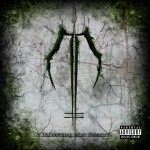
Artist: Dawn of Ashes (@)
Title: Infecting The Scars
Format: CD + Download
Label: Metropolis (@)
Rated:


Title: Infecting The Scars
Format: CD + Download
Label: Metropolis (@)
Rated:
Dawn Of Ashes’ "Infecting the Scars" is that thrilling clash where nostalgia meets reinvention. After tracing a noir-metal path across their "Scars" trilogy, frontman Kristof Bathory pivots smartly back to his foundational aggrotech, yet does so with seasoned finesse - no mere time warp, but a mature refashioning of his own shock doctrine.
From the chilling opener "Intro – Made in Hell", you can sense Bathory’s command of pacing and texture is tighter than ever. The title-track unfolds like a slowly coiling serpent - sinister ambience intertwined with pulses of menace. It’s this ability to sustain dread before the beats drop that separates the album from its genre peers.
On "Bone Saw" (featuring Alien Vampires), the aggression bursts forward - harsh yet never violent for its own sake. Underground EBM energy surges, anchored by industrial grit and Bathory’s trademark haunted vocals. Meanwhile "Hypertensive Crisis" nails the balancing act: a nostalgic nod to early-aughts aggression, repackaged with sleek, cinematic polish.
What stands out is how "Infecting the Scars" rejects any lazy revivalism. Instead of retro kitsch, it embraces depth - sombre layers of atmosphere grounding the adrenaline-fueled rhythms. Tracks like "Masochism" and "Faith Desecration" dive into gloom, while "Visceral Rage" and "Warfare" (yes, truly warfare - though not titled here) runway toward club-ready apocalypse.
This album feels like a sonic ritual - ordeal and exorcism in one lasting package. With lyrics rooted in psychological horror and lines that interrogate inner demons, Bathory isn’t just revisiting his early sound, he's reframing it through a mind stained by experience.
Aggrotech apostles will cheer: this is classic weaponized electro - pounding beats, dystopian synths, and vocals that crawl from the abyss - yet crafted with showmanship and precision. It’s not a museum piece, but a reinvigorated manifesto.
At its core, "Infecting the Scars" is rebirth through the lens of conflict - internal and global. The trio of ambiance, aggression, and artistry cements Bathory's mastery of tension, offering something that feels equally like therapy and warfare. If nostalgia had a dark twin, this would be it - bright, brutal, and beautifully broken.
From the chilling opener "Intro – Made in Hell", you can sense Bathory’s command of pacing and texture is tighter than ever. The title-track unfolds like a slowly coiling serpent - sinister ambience intertwined with pulses of menace. It’s this ability to sustain dread before the beats drop that separates the album from its genre peers.
On "Bone Saw" (featuring Alien Vampires), the aggression bursts forward - harsh yet never violent for its own sake. Underground EBM energy surges, anchored by industrial grit and Bathory’s trademark haunted vocals. Meanwhile "Hypertensive Crisis" nails the balancing act: a nostalgic nod to early-aughts aggression, repackaged with sleek, cinematic polish.
What stands out is how "Infecting the Scars" rejects any lazy revivalism. Instead of retro kitsch, it embraces depth - sombre layers of atmosphere grounding the adrenaline-fueled rhythms. Tracks like "Masochism" and "Faith Desecration" dive into gloom, while "Visceral Rage" and "Warfare" (yes, truly warfare - though not titled here) runway toward club-ready apocalypse.
This album feels like a sonic ritual - ordeal and exorcism in one lasting package. With lyrics rooted in psychological horror and lines that interrogate inner demons, Bathory isn’t just revisiting his early sound, he's reframing it through a mind stained by experience.
Aggrotech apostles will cheer: this is classic weaponized electro - pounding beats, dystopian synths, and vocals that crawl from the abyss - yet crafted with showmanship and precision. It’s not a museum piece, but a reinvigorated manifesto.
At its core, "Infecting the Scars" is rebirth through the lens of conflict - internal and global. The trio of ambiance, aggression, and artistry cements Bathory's mastery of tension, offering something that feels equally like therapy and warfare. If nostalgia had a dark twin, this would be it - bright, brutal, and beautifully broken.
KMFDM: Hau Ruck 2025

In 2005, KMFDM's "Hau Ruck" emerged as a defiant roar against the post-9/11 political landscape, blending industrial rock with electronic elements. Now, two decades later, "Hau Ruck 2025" revisits this seminal work with a remastered and remixed edition, offering a renewed sonic experience.
Sascha "KÄpt’n K" Konietzko, the band's founder, has long expressed dissatisfaction with the original mix of Hau Ruck. In this 2025 edition, he has meticulously reconstructed the album, enhancing its clarity and impact. The result is a more polished and potent soundscape that retains the raw energy of the original while delivering a contemporary edge.
The album's standout tracks, such as "Free Your Hate" and "Professional Killer", benefit from the remastering, with sharper guitar riffs and more pronounced electronic elements. "Real Thing" showcases Lucia Cifarelli's sultry vocals against a backdrop of hypnotic rhythms, offering a contrast to the album's more aggressive moments. The cover of Jacques Dutronc's "Mini Mini Mini" adds a playful twist, while "Feed Our Fame" delivers a satirical take on celebrity culture.
"Hau Ruck 2025" serves as both a tribute to KMFDM's enduring legacy and a testament to their ability to evolve. The remastered album not only preserves the band's signature "Ultra Heavy Beat" but also introduces it to a new generation of listeners. With this release, KMFDM reaffirms their position as pioneers in the industrial rock genre, demonstrating that their sound remains as relevant and powerful as ever.
"Hau Ruck 2025" is more than a remastered album; it's a revitalized statement of intent. By revisiting and refining their past work, KMFDM - check the dates of the announced tour on the occasion of their 40 years of existence - bridges the gap between nostalgia and innovation, offering a compelling listening experience that honors their roots while embracing the future.
Sascha "KÄpt’n K" Konietzko, the band's founder, has long expressed dissatisfaction with the original mix of Hau Ruck. In this 2025 edition, he has meticulously reconstructed the album, enhancing its clarity and impact. The result is a more polished and potent soundscape that retains the raw energy of the original while delivering a contemporary edge.
The album's standout tracks, such as "Free Your Hate" and "Professional Killer", benefit from the remastering, with sharper guitar riffs and more pronounced electronic elements. "Real Thing" showcases Lucia Cifarelli's sultry vocals against a backdrop of hypnotic rhythms, offering a contrast to the album's more aggressive moments. The cover of Jacques Dutronc's "Mini Mini Mini" adds a playful twist, while "Feed Our Fame" delivers a satirical take on celebrity culture.
"Hau Ruck 2025" serves as both a tribute to KMFDM's enduring legacy and a testament to their ability to evolve. The remastered album not only preserves the band's signature "Ultra Heavy Beat" but also introduces it to a new generation of listeners. With this release, KMFDM reaffirms their position as pioneers in the industrial rock genre, demonstrating that their sound remains as relevant and powerful as ever.
"Hau Ruck 2025" is more than a remastered album; it's a revitalized statement of intent. By revisiting and refining their past work, KMFDM - check the dates of the announced tour on the occasion of their 40 years of existence - bridges the gap between nostalgia and innovation, offering a compelling listening experience that honors their roots while embracing the future.
Psyclon Nine: And Then Oblivion
If the end of the world had a nightclub, Psyclon Nine would be the house band. Not the kind that takes requests - more like the kind that drags you onto the dance floor, feeds you a cocktail of industrial filth and blackened nihilism, and then watches as you combust under the strobe lights. With "And Then Oblivion", Nero Bellum and his band of sonic arsonists take another step toward the abyss, blending industrial metal, deathcore, and enough distorted atmospherics to make a cathedral tremble.
For those uninitiated, Psyclon Nine have spent the past two decades carving their own path through the wreckage of electronic and metal music. Initially rising from the aggrotech scene, they’ve since mutated into something far more sinister - less club beats, more ritualistic chaos. With "Less to Heaven" (2022), Bellum stretched his sonic vocabulary into doom-laden experimentalism, balancing machine-like brutality with moments of eerie restraint. "And Then Oblivion" continues this trend but feels sharper, meaner, and utterly unforgiving.
The album doesn’t waste time with pleasantries. "Devil’s Work" is pure malevolence incarnate - a track that sounds like a seance conducted through broken speakers, with Bellum’s signature rasp crawling over a backdrop of serrated guitars and electronic dissonance. "I Choose Violence" follows, a statement of intent as much as a song. It’s a sonic equivalent of an iron gauntlet smashing through glass - a merciless blend of blast beats, distorted vocals, and anthemic hooks that lodge themselves into your skull.
The middle of the album is a grotesque carnival, with "CRWLNG FRM CNT T CSKT" offering a nightmarish descent into suffocating electronics and venomous vocal delivery, while "Locust of Everything" balances moments of almost melodic reprieve with crushing intensity. Bellum’s tendency to merge black metal aesthetics with industrial mechanics is on full display in "Speak Evil" and "Say Your Prayers" - both tracks feeling like unholy sermons broadcast from the underworld.
Then there’s "Apres Toi Le Déluge", a title referencing the ominous phrase “After me, the flood.” It’s perhaps the most poetic encapsulation of Psyclon Nine’s ethos - decadent, apocalyptic, and reveling in destruction. "Taxidermy" closes the album with a macabre elegance, its structure fractured and unsettling, leaving you with the uneasy sensation that the music has stopped, but the horror lingers.
Psyclon Nine have always been more than just a band; they’re an experience, an aesthetic, a declaration of war against complacency. "And Then Oblivion" is their latest battlefield, and as the title suggests, it doesn’t promise survival - only the thrill of watching it all burn.
For fans of sonic extremity, existential decay, and the kind of music that makes you feel like the walls are closing in, this is essential listening. Just don’t expect to come out unscathed.
For those uninitiated, Psyclon Nine have spent the past two decades carving their own path through the wreckage of electronic and metal music. Initially rising from the aggrotech scene, they’ve since mutated into something far more sinister - less club beats, more ritualistic chaos. With "Less to Heaven" (2022), Bellum stretched his sonic vocabulary into doom-laden experimentalism, balancing machine-like brutality with moments of eerie restraint. "And Then Oblivion" continues this trend but feels sharper, meaner, and utterly unforgiving.
The album doesn’t waste time with pleasantries. "Devil’s Work" is pure malevolence incarnate - a track that sounds like a seance conducted through broken speakers, with Bellum’s signature rasp crawling over a backdrop of serrated guitars and electronic dissonance. "I Choose Violence" follows, a statement of intent as much as a song. It’s a sonic equivalent of an iron gauntlet smashing through glass - a merciless blend of blast beats, distorted vocals, and anthemic hooks that lodge themselves into your skull.
The middle of the album is a grotesque carnival, with "CRWLNG FRM CNT T CSKT" offering a nightmarish descent into suffocating electronics and venomous vocal delivery, while "Locust of Everything" balances moments of almost melodic reprieve with crushing intensity. Bellum’s tendency to merge black metal aesthetics with industrial mechanics is on full display in "Speak Evil" and "Say Your Prayers" - both tracks feeling like unholy sermons broadcast from the underworld.
Then there’s "Apres Toi Le Déluge", a title referencing the ominous phrase “After me, the flood.” It’s perhaps the most poetic encapsulation of Psyclon Nine’s ethos - decadent, apocalyptic, and reveling in destruction. "Taxidermy" closes the album with a macabre elegance, its structure fractured and unsettling, leaving you with the uneasy sensation that the music has stopped, but the horror lingers.
Psyclon Nine have always been more than just a band; they’re an experience, an aesthetic, a declaration of war against complacency. "And Then Oblivion" is their latest battlefield, and as the title suggests, it doesn’t promise survival - only the thrill of watching it all burn.
For fans of sonic extremity, existential decay, and the kind of music that makes you feel like the walls are closing in, this is essential listening. Just don’t expect to come out unscathed.
PIG: Wrecked (2024 Remaster)

There is something truly poetic about revisiting "Wrecked" nearly three decades after its original release - like returning to a crime scene long after the blood has dried, only to find the walls still whispering. Raymond Watts, the decadent ringmaster of industrial glam depravity, once described "Wrecked" as a tomb, a monument to self-inflicted misery so scorched and unforgiving that only the bravest would dare enter. Now, in 2024, with its Abbey Road remaster by Tom Hall, we’re invited back inside - with slightly better lighting, perhaps, but the filth remains gloriously untouched.
First released in 1996, "Wrecked" was Watts at his most unhinged - a soundtrack to opulence in decay, a nihilistic sermon delivered through scorched guitars, mechanized rhythms, and a voice that sounds like it gargles whiskey, cigarette ash, and the occasional human soul. The album followed "Sinsation", which had the rare privilege of being released on Trent Reznor’s Nothing Records, and while "Sinsation" flirted with sleaze, "Wrecked" dove headfirst into the gutter, smeared itself in excess, and asked for seconds.
To remaster "Wrecked" is almost an act of defiance. This isn’t music that lends itself to polish - it’s an open wound, a dirge of processed filth that thrives on its own grotesqueness. But credit where it’s due: Hall’s remastering enhances the bone-crushing weight of the drum programming and the sharpened metallic edge of the guitars, making it sound even more like a factory collapsing in on itself.
The album opens with "Wrecked ‘24", a track that sways between the hypnotic and the bludgeoning, its seven-minute runtime allowing Watts to wail, whisper, and growl his way through a landscape of pulsating electronics and metallic clangs. It’s a statement of intent: welcome back, sinner, the wreckage is still smoldering.
From there, "The Book of Tequila" stumbles in, a drunkard’s hymn filled with distorted sermonizing and the kind of beat that makes you want to kick over expensive furniture. And then there’s "Find It, Fuck It, Forget It (Regret It Mix)", which remains one of the finest titles in industrial history - a sleazy, sneering stomp that encapsulates the self-loathing ecstasy at the heart of "Wrecked".
"Save Me" might be the closest thing to a moment of clarity - if clarity can be screamed through a storm of dissonance. Then we get "Fuck Me I’m Sick", which, true to its name, is a feverish, delirious descent into mechanical hell, complete with chainsaw riffs and Watts bellowing like a man who’s been up for three days straight in a Berlin dungeon.
Like all good nightmares, "Wrecked" isn’t a solo affair. Watts assembled a rogues’ gallery of ‘90s industrial royalty for this debauchery, including former KMFDM members Günter Schulz and Steve White, as well as Julian Beeston of Nitzer Ebb and Cubanate fame. These aren’t session players - they’re co-conspirators, adding layers of cybernetic grime and razor-sharp guitars that ensure the album never loses its brutal momentum.
And speaking of KMFDM, let’s not forget En Esch, who currently performs in PIG’s live band alongside Jim Davies (Pitchshifter, The Prodigy). While "Wrecked" may be an artifact from the ‘90s, its lineage continues in the current industrial live circuit, proving that sleaze and nihilism never truly go out of style.
The thing about "Wrecked" is that it never really needed a remaster - its filth was always part of its charm. But if you’re going to drag a corpse out of its grave, you might as well make it look good. The 2024 edition doesn’t sanitize the decay; it amplifies it. The beats hit harder, the feedback lingers longer, and Watts’ voice is even more of a scalding sermon.
Three decades later, "Wrecked" still sounds like a slow-motion car crash, an album soaked in whiskey, diesel, and something far more unmentionable. If you weren’t brave enough to enter its tomb the first time around, now is your chance. Just don’t expect to come out clean.
First released in 1996, "Wrecked" was Watts at his most unhinged - a soundtrack to opulence in decay, a nihilistic sermon delivered through scorched guitars, mechanized rhythms, and a voice that sounds like it gargles whiskey, cigarette ash, and the occasional human soul. The album followed "Sinsation", which had the rare privilege of being released on Trent Reznor’s Nothing Records, and while "Sinsation" flirted with sleaze, "Wrecked" dove headfirst into the gutter, smeared itself in excess, and asked for seconds.
To remaster "Wrecked" is almost an act of defiance. This isn’t music that lends itself to polish - it’s an open wound, a dirge of processed filth that thrives on its own grotesqueness. But credit where it’s due: Hall’s remastering enhances the bone-crushing weight of the drum programming and the sharpened metallic edge of the guitars, making it sound even more like a factory collapsing in on itself.
The album opens with "Wrecked ‘24", a track that sways between the hypnotic and the bludgeoning, its seven-minute runtime allowing Watts to wail, whisper, and growl his way through a landscape of pulsating electronics and metallic clangs. It’s a statement of intent: welcome back, sinner, the wreckage is still smoldering.
From there, "The Book of Tequila" stumbles in, a drunkard’s hymn filled with distorted sermonizing and the kind of beat that makes you want to kick over expensive furniture. And then there’s "Find It, Fuck It, Forget It (Regret It Mix)", which remains one of the finest titles in industrial history - a sleazy, sneering stomp that encapsulates the self-loathing ecstasy at the heart of "Wrecked".
"Save Me" might be the closest thing to a moment of clarity - if clarity can be screamed through a storm of dissonance. Then we get "Fuck Me I’m Sick", which, true to its name, is a feverish, delirious descent into mechanical hell, complete with chainsaw riffs and Watts bellowing like a man who’s been up for three days straight in a Berlin dungeon.
Like all good nightmares, "Wrecked" isn’t a solo affair. Watts assembled a rogues’ gallery of ‘90s industrial royalty for this debauchery, including former KMFDM members Günter Schulz and Steve White, as well as Julian Beeston of Nitzer Ebb and Cubanate fame. These aren’t session players - they’re co-conspirators, adding layers of cybernetic grime and razor-sharp guitars that ensure the album never loses its brutal momentum.
And speaking of KMFDM, let’s not forget En Esch, who currently performs in PIG’s live band alongside Jim Davies (Pitchshifter, The Prodigy). While "Wrecked" may be an artifact from the ‘90s, its lineage continues in the current industrial live circuit, proving that sleaze and nihilism never truly go out of style.
The thing about "Wrecked" is that it never really needed a remaster - its filth was always part of its charm. But if you’re going to drag a corpse out of its grave, you might as well make it look good. The 2024 edition doesn’t sanitize the decay; it amplifies it. The beats hit harder, the feedback lingers longer, and Watts’ voice is even more of a scalding sermon.
Three decades later, "Wrecked" still sounds like a slow-motion car crash, an album soaked in whiskey, diesel, and something far more unmentionable. If you weren’t brave enough to enter its tomb the first time around, now is your chance. Just don’t expect to come out clean.