
Wednesday, June 17, 2026
Browse by Genre
Industrial Music / Industrial Metal / Aggro Industrial / Electro Metal
Industrial Noise / Power Noise / Harsh Noise
Synth Pop / Electro Pop / Synth-Electronica
Techno / Trance / Goa / Drum'n'Bass / Jungle / Tribal / Trip-Hop
Ambient / Electronica / Ethereal / Dub / Soundscapes / Abstract
Experimental / Avantgarde / Weird & Wired / Glitch / Noise / Field Recording
Dark / Gothic / Wave / New Wave / Dark Wave / Industrial Gothic
New Music / Downtown / Avantgarde Jazz / New Classical / World
Search Reviews
Music Reviews
The Green Kingdom: Arcadian

Artist: The Green Kingdom (@)
Title: Arcadian
Format: CD + Download
Label: Sound In Silence Records (@)
Rated:

Title: Arcadian
Format: CD + Download
Label: Sound In Silence Records (@)
Rated:
Michigander Michael Cottone's The Green Kingdom is back with his fourth album on the Sound In Silence label and it's a nice one. Beginning with some languorous electric guitar in atmosphere, Cottone sets the tone for this pastoral outing. it is as much overt guitar you'll hear in a while on this album, as Cottone waves the instrument subtly though ambient pads. It shows up again a little prominently on "Shadowplay" and thereafter. "Another Time and Place" breaks with the ambient to offer some impressionistic melody. "Silent Stars Above" is based on a sustained organic chordal drone with high sustained ambient guitar tone and twinkling glock or xylo sounds and guitar notes repping the stars.
There is a bit of sleepy melancholy in the reverse-attack guitar of "Fading Landscape," the perfect music to fall asleep to napping on your porch on a late summer afternoon. (I'm sitting here just yawning listening to it.) "Softly Away, " which follows, flirts with melodic ambient but still manages to stay the course. All is peaceful, tranquil and restive under "Arcadian Skies" which concludes the album. An excellent ambient work that won't disappoint. Typical SIS edition of 200 hand-made and hand-numbered copies.
There is a bit of sleepy melancholy in the reverse-attack guitar of "Fading Landscape," the perfect music to fall asleep to napping on your porch on a late summer afternoon. (I'm sitting here just yawning listening to it.) "Softly Away, " which follows, flirts with melodic ambient but still manages to stay the course. All is peaceful, tranquil and restive under "Arcadian Skies" which concludes the album. An excellent ambient work that won't disappoint. Typical SIS edition of 200 hand-made and hand-numbered copies.
Panoptique Electrical: For Years
Artist: Panoptique Electrical (@)
Title: For Years
Format: CD + Download
Label: Sound In Silence Records (@)
Rated:
Title: For Years
Format: CD + Download
Label: Sound In Silence Records (@)
Rated:
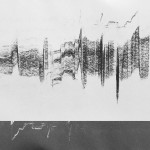
I've been a fan of Jason Sweeney's Panoptique Electrical ambient project for years now and 'For Years' certainly seems like an appropriate title to me, at least. Jason, who is based in Kaurna County, South Australia, has composing and recording for over 20 years, and this is his fifth album on the Sound In Silence label. What we have is 10 new compositions comprised largely of textured ambient pads that move across your speakers like clouds. Although it may sound just like a single sustained chordal tone, it is really far from that as it shifts in density, dimension and scope. The ambience continues seamlessly from one track to the next with nary a beginning or end marker, save for a slight dip in volume, giving the impression of a complete cycle throughout the first four tracks. Every track is named "For [something]" such as "For Oceans," "For Sleep," "For Night, "For Bells," etc. and the music really seems to correspond with the titles in subtle ways.
When you get to 5th track, "For Em," there is a neoclassical feel unlike the other tracks, heralding a bit of a different direction, and there is a definite ending to this one. "For Piano," which follows, juxtaposes minimal piano with synth voices and a slow, single downbeat. Slipping in from the sustained drone of the previous track,"For Spaces" leads us back to the drifting cloud ambience of the earlier tracks, and you will only know that the next track has begun when a heavier sub-drone slips in to "For Stillness." There is a little more sonic diversity than I expected in this one (from the title) but it is mostly so subtle you may not notice it until a higher drone tone creeps in at 3:44. It gets kind of "organic" towards the end but still maintains its consistency. "For Pictures" sounds Eno-esque with its blend of musicality and ambience. One listen and you'll know exactly what I mean. This track slides easily into "For Ruins," which ends the album. It's a superb final track, and perhaps the best ending to an ambient album I've heard in a long, long time.
As Sweeney puts it, "'For Years' was made as part of a larger music project called Ageism that traverses ideas of what it means to be older and queer. The compositions on this album observe the ageing queer body as a site of beauty, of wisdom, of false promises and a fragile future. Something to look forward to, something to leave behind." However, you don't have to be old or queer to appreciate this album. 'For Years' is an ambient work to treasure...well, for years. Comes in the usual Sound In Silence limited edition of 200 Handmade, hand-stamped and hand-numbered CDr copies, or, the deluxe edition of 50 similarly packaged CDrs with 3 bouns tracks. Either way, highly recommended.
When you get to 5th track, "For Em," there is a neoclassical feel unlike the other tracks, heralding a bit of a different direction, and there is a definite ending to this one. "For Piano," which follows, juxtaposes minimal piano with synth voices and a slow, single downbeat. Slipping in from the sustained drone of the previous track,"For Spaces" leads us back to the drifting cloud ambience of the earlier tracks, and you will only know that the next track has begun when a heavier sub-drone slips in to "For Stillness." There is a little more sonic diversity than I expected in this one (from the title) but it is mostly so subtle you may not notice it until a higher drone tone creeps in at 3:44. It gets kind of "organic" towards the end but still maintains its consistency. "For Pictures" sounds Eno-esque with its blend of musicality and ambience. One listen and you'll know exactly what I mean. This track slides easily into "For Ruins," which ends the album. It's a superb final track, and perhaps the best ending to an ambient album I've heard in a long, long time.
As Sweeney puts it, "'For Years' was made as part of a larger music project called Ageism that traverses ideas of what it means to be older and queer. The compositions on this album observe the ageing queer body as a site of beauty, of wisdom, of false promises and a fragile future. Something to look forward to, something to leave behind." However, you don't have to be old or queer to appreciate this album. 'For Years' is an ambient work to treasure...well, for years. Comes in the usual Sound In Silence limited edition of 200 Handmade, hand-stamped and hand-numbered CDr copies, or, the deluxe edition of 50 similarly packaged CDrs with 3 bouns tracks. Either way, highly recommended.
Marewrew: Ukouk


If you're the kind of listener who thinks a cappella music is just a bunch of folks harmonizing in a church choir, buckle up. "Ukouk: Round Singing Voices of the Ainu" by Marewrew is here to challenge everything you thought you knew about human voices, and maybe reality itself. This album isn’t just music; it’s a time-traveling portal into the rich, long-silenced world of the Ainu people from northern Japan, with an eerie, hypnotic twist that might leave you questioning whether you’re listening to an ancient ritual or avant-garde sound art.
The female vocal group Marewrew has been carrying the torch for Ainu culture in a way that is both reverent and rebellious. Their name means "butterfly" in Ainu, but don’t be fooled into expecting something delicate or fluttery here. These voices are tough, raw, and deeply connected to nature - not the domesticated kind, but the wild, unforgiving forces of earth and sea that the Ainu people have lived with for centuries. From the first track, "Honkaya (Boat Rowing Song)", which clocks in at just over a minute, you realize this is not music made to fill time or space, but to bend it. Each track feels like an invocation or a spell.
One of the album’s most striking qualities is its use of "Ukouk", the traditional Ainu form of round singing. Imagine a vocal canon, but instead of the polite elegance of, say, a Renaissance choir, you get something more akin to vocal echoes that could be mistaken for dub production - except, as the liner notes sharply point out, this is all sung live, without the magic of electronics. The voices are so tightly interwoven that it’s almost disorienting, especially on tracks like "Sikata Kuykuy (Snow Falling from a Tree)" and "Haw Sa (King of Round Singing)", which morph into spiraling, trance-like mantras that could make even the most cynical listener believe in something greater.
And while the voices are front and center, don’t let the "a cappella" tag fool you into thinking this is a stripped-down or minimalist affair. The "Ukouk" technique creates an ever-evolving sonic space that feels anything but empty. It’s like watching snowflakes fall -each one distinct, yet all contributing to a mesmerizing, shifting landscape. The result? The album draws you into its orbit, where time slips and slides, much like the rhythmic back-and-forth of the "Etukuma Kara (Dance Practice on Ice)".
The group’s mastery of dynamics is another standout feature. The album flits between moments of intimate storytelling, like the poignant "Hunpe Yan Na (A Whale Ashore)", which feels like a whispered ode to the tragic beauty of nature, and bold, ceremonial pieces like "Kanerenren (Bear Ceremony Song)", which thunders with primal energy. The emotional breadth here is staggering: one moment, you’re lulled into a soft trance by "Orouru Roahun (Lullaby)", and the next, you're hit with the intense rhythmic pulse of "Horippa (Dance Song)", which feels like it could summon gods - or at least send you into an ecstatic dance frenzy.
It's hard to talk about Marewrew without acknowledging the presence of Oki Kano, the visionary Ainu musician and producer behind the iconic Tonkori harp. Though he mainly stays behind the scenes on this release, his fingerprints are all over the album. The careful production makes sure the voices remain the focal point, but with subtle additions like nature sounds and occasional percussions that give tracks like "Yaykatekara (Wedding Song)" a surprisingly pop-like twist, or even cumbia vibes in "Kanerenren". It’s a testament to how seamlessly Ainu tradition can blend with contemporary experimentation.
However, the emotional core of the album isn’t just in the songs themselves but in the philosophy behind them. Mayunkiki, one of Marewrew’s singers, reflects on the delicate balancing act between preserving tradition and evolving it. She talks about how the group started with the idea that they had to perform “in an Ainu way”, only to discover that sticking rigidly to that concept could suffocate the very tradition they’re trying to keep alive. Their voices have changed, and so has their way of singing. It’s a poignant reminder that tradition is not a museum artifact but a living, breathing thing - capable of transformation while staying true to its roots.
The compilation nature of "Ukouk"—which spans over a decade of recordings from 2012 to 2024—offers a beautiful snapshot of this evolution. With unreleased tracks and new versions of older material mixed in with the previously released CDs ("Mottoite Hissori Ne", "Cikapuni", and "Mike Mike Nociw"), it feels less like an album and more like an evolving conversation. Tracks like "Pon Repun Kamuy (Little Orca Sea God)" and "Tacuro (Birds)", the latter of which is a delightful, whimsical mini-tribute to bird songs, are just as much about nature as they are about the human spirit, intertwining both with a deftness that’s hard to find in more self-conscious “world music” offerings.
In the end, "Ukouk" is a bold reminder that the voice - ancient, unadorned, and raw - is still one of the most powerful instruments we have. The Ainu people’s history has been one of suppression and marginalization, but Marewrew’s music speaks not just of survival but of resilience and transformation. Their voices transcend language and time, looping through centuries of cultural memory while remaining firmly rooted in the present. And isn’t that the ultimate goal of music, to transcend the boundaries of what we know while reminding us of where we’ve come from?
So, go ahead, dive into "Ukouk", but don’t expect a casual listening experience. This is a deep, spiritual dive into a world most of us have never known but should. If music can indeed “round” us, this is the sound of something ancient, alive, and beautifully cyclical.
The female vocal group Marewrew has been carrying the torch for Ainu culture in a way that is both reverent and rebellious. Their name means "butterfly" in Ainu, but don’t be fooled into expecting something delicate or fluttery here. These voices are tough, raw, and deeply connected to nature - not the domesticated kind, but the wild, unforgiving forces of earth and sea that the Ainu people have lived with for centuries. From the first track, "Honkaya (Boat Rowing Song)", which clocks in at just over a minute, you realize this is not music made to fill time or space, but to bend it. Each track feels like an invocation or a spell.
One of the album’s most striking qualities is its use of "Ukouk", the traditional Ainu form of round singing. Imagine a vocal canon, but instead of the polite elegance of, say, a Renaissance choir, you get something more akin to vocal echoes that could be mistaken for dub production - except, as the liner notes sharply point out, this is all sung live, without the magic of electronics. The voices are so tightly interwoven that it’s almost disorienting, especially on tracks like "Sikata Kuykuy (Snow Falling from a Tree)" and "Haw Sa (King of Round Singing)", which morph into spiraling, trance-like mantras that could make even the most cynical listener believe in something greater.
And while the voices are front and center, don’t let the "a cappella" tag fool you into thinking this is a stripped-down or minimalist affair. The "Ukouk" technique creates an ever-evolving sonic space that feels anything but empty. It’s like watching snowflakes fall -each one distinct, yet all contributing to a mesmerizing, shifting landscape. The result? The album draws you into its orbit, where time slips and slides, much like the rhythmic back-and-forth of the "Etukuma Kara (Dance Practice on Ice)".
The group’s mastery of dynamics is another standout feature. The album flits between moments of intimate storytelling, like the poignant "Hunpe Yan Na (A Whale Ashore)", which feels like a whispered ode to the tragic beauty of nature, and bold, ceremonial pieces like "Kanerenren (Bear Ceremony Song)", which thunders with primal energy. The emotional breadth here is staggering: one moment, you’re lulled into a soft trance by "Orouru Roahun (Lullaby)", and the next, you're hit with the intense rhythmic pulse of "Horippa (Dance Song)", which feels like it could summon gods - or at least send you into an ecstatic dance frenzy.
It's hard to talk about Marewrew without acknowledging the presence of Oki Kano, the visionary Ainu musician and producer behind the iconic Tonkori harp. Though he mainly stays behind the scenes on this release, his fingerprints are all over the album. The careful production makes sure the voices remain the focal point, but with subtle additions like nature sounds and occasional percussions that give tracks like "Yaykatekara (Wedding Song)" a surprisingly pop-like twist, or even cumbia vibes in "Kanerenren". It’s a testament to how seamlessly Ainu tradition can blend with contemporary experimentation.
However, the emotional core of the album isn’t just in the songs themselves but in the philosophy behind them. Mayunkiki, one of Marewrew’s singers, reflects on the delicate balancing act between preserving tradition and evolving it. She talks about how the group started with the idea that they had to perform “in an Ainu way”, only to discover that sticking rigidly to that concept could suffocate the very tradition they’re trying to keep alive. Their voices have changed, and so has their way of singing. It’s a poignant reminder that tradition is not a museum artifact but a living, breathing thing - capable of transformation while staying true to its roots.
The compilation nature of "Ukouk"—which spans over a decade of recordings from 2012 to 2024—offers a beautiful snapshot of this evolution. With unreleased tracks and new versions of older material mixed in with the previously released CDs ("Mottoite Hissori Ne", "Cikapuni", and "Mike Mike Nociw"), it feels less like an album and more like an evolving conversation. Tracks like "Pon Repun Kamuy (Little Orca Sea God)" and "Tacuro (Birds)", the latter of which is a delightful, whimsical mini-tribute to bird songs, are just as much about nature as they are about the human spirit, intertwining both with a deftness that’s hard to find in more self-conscious “world music” offerings.
In the end, "Ukouk" is a bold reminder that the voice - ancient, unadorned, and raw - is still one of the most powerful instruments we have. The Ainu people’s history has been one of suppression and marginalization, but Marewrew’s music speaks not just of survival but of resilience and transformation. Their voices transcend language and time, looping through centuries of cultural memory while remaining firmly rooted in the present. And isn’t that the ultimate goal of music, to transcend the boundaries of what we know while reminding us of where we’ve come from?
So, go ahead, dive into "Ukouk", but don’t expect a casual listening experience. This is a deep, spiritual dive into a world most of us have never known but should. If music can indeed “round” us, this is the sound of something ancient, alive, and beautifully cyclical.
2Rooms: s/t

"2Rooms", the self-titled album from the avant-garde trio comprised of Martin Bisi, Genevieve Kammel Morris, and Robert L. Pepper, is an auditory séance that demands your attention, but also your patience. A 60-minute sonic journey that defies conventions, the album is a deeply immersive and often perplexing experience. And much like the music itself, the backgrounds of the trio add layers of complexity to the final product, as each artist’s history intertwines with their distinct musical vision.
Let’s start with Martin Bisi, the wizard behind the mixing desk and a veritable godfather of New York’s experimental music scene. Since founding the legendary BC Studio in Brooklyn in 1981, Bisi has been a pivotal figure in shaping post-punk, No Wave, and experimental music. His recording credits include iconic works like Brian Eno's "On Land", Sonic Youth’s early records, and even Herbie Hancock’s "Rockit" - yes, the man who helped craft "Rockit" is also behind "2Rooms", and you can almost sense that mischievous sonic genius at work here. Bisi’s ability to transform noise into narrative has always been his hallmark, and in "2Rooms", he does it again, using sound like clay to sculpt a deeply textured and atmospheric album. Over four decades, Bisi has worked with artists like Swans, John Zorn, Afrika Bambaataa, and countless others, making him the kind of figure who thrives in musical boundary-pushing environments, exactly where "2Rooms" resides.
Then there’s Genevieve Kammel Morris, who brings a deeply spiritual and metaphysical dimension to the project. A theologian and multi-instrumentalist who performs under the name Lauds, Morris has an expansive solo catalog that ranges from sound-guided meditations to the psychogeographical noise-poetry duo "Tidal Channel", which she co-created with her husband, billy cancel. Her solo work has always leaned into the mystical and the abstract, with her improvisational series "The Lunary" - held during full and new moon phases - standing as a testament to her fascination with liminal spaces and ritualistic sound. You can hear echoes of this meditative, mystical energy in "2Rooms". Morris doesn’t just contribute musically; her presence gives the album a ritualistic, almost otherworldly tone. In many ways, she’s the spiritual core of the project, guiding the listener through this sonic journey like a shaman of sound.
Finally, Robert L. Pepper brings his eclectic, abstract sensibilities to the table. A Brooklyn-born artist and musician, Pepper’s work spans oil paintings, films, and a wide variety of experimental music projects. He’s the mastermind behind groups like Pas Musique and The Jazzfakers, and his collaborations with avant-garde legends like Faust, Rapoon, and Philippe Petit solidify his place as a fixture of the experimental art world. His visual work is often described as abstract and symbolic, using occult references to break down his subjects’ personalities into esoteric designs. Musically, Pepper does something similar. He deconstructs sound, breaking it apart and reassembling it into something that feels both alien and oddly familiar. In "2Rooms", you can hear his abstract style coming through in the form of dissonant tones, eerie electronics, and textures that seem to evolve organically, like some sonic creature emerging from the depths.
What makes "2Rooms" such a compelling listen is how these three disparate figures come together to create something so unified yet so abstract. The album is essentially two 30-minute tracks - "Room 1" and "Room 2" - but describing them as “songs” feels limiting. These are soundscapes, explorations, and conversations between the artists, all of whom seem to be speaking their own musical language. At times, it feels like you’re eavesdropping on an alien transmission or stumbling into a parallel dimension where the laws of music as we know them no longer apply.
In "Room 1", Bisi’s production expertise is immediately evident. The track opens with a haunting drone that slowly builds into a cacophony of ambient noise, punctuated by ethereal melodies and industrial textures. It’s hypnotic and unnerving, a soundscape that demands active listening. Morris’s contributions feel almost like invocations, her sound prayers weaving through the mix like spectral whispers. Meanwhile, Pepper’s abstract approach provides the foundation, with distorted electronics and unsettling feedback loops adding layers of tension and dissonance.
"Room 2" continues the journey, but instead of offering resolution, it dives deeper into the unknown. Here, the trio’s interplay becomes even more abstract. You can hear snatches of melody, but they’re fleeting, often overtaken by waves of noise or rhythmic patterns that never quite settle into a groove. It’s a track that defies easy categorization, shifting between ambient, industrial, and experimental with a fluidity that feels both organic and deliberate. At times, it’s beautiful; at other times, it’s disorienting. But it’s always engaging.
If there’s one thing to take away from "2Rooms", it’s that this is music for the adventurous. The album doesn’t hand you easy answers or familiar structures. Instead, it invites you to get lost in its world, to experience sound as a living, breathing entity. In that sense, it’s as much an art piece as it is a record. For fans of avant-garde music, it’s a thrilling, immersive experience. For everyone else? Well, let’s just say it’s not exactly background music.
So, if you’re brave enough to enter "2Rooms", be prepared to leave your expectations at the door. This is sound unbound by convention, an album that challenges you to listen, really listen, and in return, offers a journey unlike any other.
Let’s start with Martin Bisi, the wizard behind the mixing desk and a veritable godfather of New York’s experimental music scene. Since founding the legendary BC Studio in Brooklyn in 1981, Bisi has been a pivotal figure in shaping post-punk, No Wave, and experimental music. His recording credits include iconic works like Brian Eno's "On Land", Sonic Youth’s early records, and even Herbie Hancock’s "Rockit" - yes, the man who helped craft "Rockit" is also behind "2Rooms", and you can almost sense that mischievous sonic genius at work here. Bisi’s ability to transform noise into narrative has always been his hallmark, and in "2Rooms", he does it again, using sound like clay to sculpt a deeply textured and atmospheric album. Over four decades, Bisi has worked with artists like Swans, John Zorn, Afrika Bambaataa, and countless others, making him the kind of figure who thrives in musical boundary-pushing environments, exactly where "2Rooms" resides.
Then there’s Genevieve Kammel Morris, who brings a deeply spiritual and metaphysical dimension to the project. A theologian and multi-instrumentalist who performs under the name Lauds, Morris has an expansive solo catalog that ranges from sound-guided meditations to the psychogeographical noise-poetry duo "Tidal Channel", which she co-created with her husband, billy cancel. Her solo work has always leaned into the mystical and the abstract, with her improvisational series "The Lunary" - held during full and new moon phases - standing as a testament to her fascination with liminal spaces and ritualistic sound. You can hear echoes of this meditative, mystical energy in "2Rooms". Morris doesn’t just contribute musically; her presence gives the album a ritualistic, almost otherworldly tone. In many ways, she’s the spiritual core of the project, guiding the listener through this sonic journey like a shaman of sound.
Finally, Robert L. Pepper brings his eclectic, abstract sensibilities to the table. A Brooklyn-born artist and musician, Pepper’s work spans oil paintings, films, and a wide variety of experimental music projects. He’s the mastermind behind groups like Pas Musique and The Jazzfakers, and his collaborations with avant-garde legends like Faust, Rapoon, and Philippe Petit solidify his place as a fixture of the experimental art world. His visual work is often described as abstract and symbolic, using occult references to break down his subjects’ personalities into esoteric designs. Musically, Pepper does something similar. He deconstructs sound, breaking it apart and reassembling it into something that feels both alien and oddly familiar. In "2Rooms", you can hear his abstract style coming through in the form of dissonant tones, eerie electronics, and textures that seem to evolve organically, like some sonic creature emerging from the depths.
What makes "2Rooms" such a compelling listen is how these three disparate figures come together to create something so unified yet so abstract. The album is essentially two 30-minute tracks - "Room 1" and "Room 2" - but describing them as “songs” feels limiting. These are soundscapes, explorations, and conversations between the artists, all of whom seem to be speaking their own musical language. At times, it feels like you’re eavesdropping on an alien transmission or stumbling into a parallel dimension where the laws of music as we know them no longer apply.
In "Room 1", Bisi’s production expertise is immediately evident. The track opens with a haunting drone that slowly builds into a cacophony of ambient noise, punctuated by ethereal melodies and industrial textures. It’s hypnotic and unnerving, a soundscape that demands active listening. Morris’s contributions feel almost like invocations, her sound prayers weaving through the mix like spectral whispers. Meanwhile, Pepper’s abstract approach provides the foundation, with distorted electronics and unsettling feedback loops adding layers of tension and dissonance.
"Room 2" continues the journey, but instead of offering resolution, it dives deeper into the unknown. Here, the trio’s interplay becomes even more abstract. You can hear snatches of melody, but they’re fleeting, often overtaken by waves of noise or rhythmic patterns that never quite settle into a groove. It’s a track that defies easy categorization, shifting between ambient, industrial, and experimental with a fluidity that feels both organic and deliberate. At times, it’s beautiful; at other times, it’s disorienting. But it’s always engaging.
If there’s one thing to take away from "2Rooms", it’s that this is music for the adventurous. The album doesn’t hand you easy answers or familiar structures. Instead, it invites you to get lost in its world, to experience sound as a living, breathing entity. In that sense, it’s as much an art piece as it is a record. For fans of avant-garde music, it’s a thrilling, immersive experience. For everyone else? Well, let’s just say it’s not exactly background music.
So, if you’re brave enough to enter "2Rooms", be prepared to leave your expectations at the door. This is sound unbound by convention, an album that challenges you to listen, really listen, and in return, offers a journey unlike any other.
Olivier Cong: Tropical Church
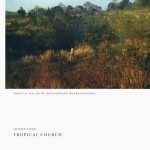
Olivier Cong’s "Tropical Church" is a richly textured audio portrait of his home city, Hong Kong. But let’s get one thing straight: this isn’t your typical ambient album. It’s a masterclass in subtlety, a meticulously woven soundscape that, while filled with personal memories, transcends autobiography to become a universal ode to urban life. From the opening track, “I am afraid of”, to the final “prayer of mine”, this album drifts between the sacred and the mundane, the personal and the collective, all while maintaining a quiet intensity that sneaks up on you.
Let’s talk about "solace", one of the more immediately affecting tracks. There’s an almost delicate beauty in its opening, where a birdlike synth melody flits over sparse chords, creating a sense of stillness before a subtle pulse builds - like the city coming to life. This isn’t just ambient fluff, though. Cong’s experience in film, theatre, and immersive art projects shines here, where he manages to pull off the near-impossible: capturing the feeling of a city waking up, not through clamor, but through restraint. Think of Ryuichi Sakamoto’s most intimate moments, but with a humid, urban twist.
"They don’t sleep on the beach anymore" carries the same grace. Its gentle progression feels like waves lapping against a forgotten shore—a sonic meditation on change, on things once familiar slipping away. Here, the subtle electronic movements evoke a warmth reminiscent of Alessandro Cortini’s work, but with a Hong Kong twist: a delicate interplay of electronic and acoustic sounds that ripple with nostalgia and present-day clarity. And yes, while Cortini might not come to mind immediately, the slowly evolving textures of this track prove that Olivier Cong is as eloquent a sound artist as they come.
But it’s not all shimmering synths and subtlety. Take “when the labour is for love”, a track that veers into much darker territory. There’s a Godspeed You! Black Emperor vibe here, with its drone metal dynamics and electric guitar tremors that hint at something gothic beneath the surface. The weight of this piece lies in its deliberate buildup - a sonic representation of Hong Kong’s sprawling, unrelenting energy. It feels massive, cinematic even, and if you close your eyes, you can imagine the towering skyscrapers casting long shadows over bustling streets.
Then there’s “A saint about to fall”, a track that feels like a strange, beautiful anachronism. Cong throws in some retro prog organ and swerves into abstract territory, evoking both Tangerine Dream and Davachi at once. It’s quirky but compelling, a reminder that this album isn’t afraid to take some weird and wonderful detours. Where Cong’s debut, "A Ghost & His Paintings", played more with chamber folk and post-rock, "Tropical Church" is a more refined beast, dripping with experimental confidence.
Of course, no album inspired by Hong Kong could exist without nodding to the city’s rich history and soundscape. “dok”, a collaboration with Karen Yu, is a brilliant example. This field recording collage layers the sound of rushing traffic with lapping water and percussive elements, creating a piece that’s as much about texture as it is about tempo. Cong finds beauty in the everyday sounds of his city, blending them into something immersive and strangely meditative. If this doesn’t make you want to sit by a window, listening to the world go by, I don’t know what will.
"Solid sun", by contrast, is one of the darker moments on the album. Here, Cong allows harsher electronic textures to clash with delicate chimes of Eastern percussion, creating a track that feels ominous yet strangely comforting. It’s the kind of sonic contradiction that runs throughout "Tropical Church" - a delicate balance between past and present, tradition and modernity, chaos and peace.
“burning” is another standout, featuring the shakuhachi - aJapanese flute whose mournful tone pairs perfectly with the rainy, atmospheric backdrop. This track aches with longing, conjuring up images of rain-drenched city streets, the quiet chaos of daily life filtering through in the background. It’s intimate and expansive all at once, the kind of music that makes you feel both rooted in the moment and transported to another place.
Cong’s multicultural heritage also seeps into the fabric of the album, particularly on “” ("Peace for the Family"). There’s a hint of the French avant-garde in its acoustic guitar licks and accordion phrases - a nod to his father’s Mauritian roots and his admiration for Yann Tiersen. You can almost picture a scene from a forgotten European film, where life moves slowly, and yet the hustle of Hong Kong traffic reminds you of the city’s unrelenting energy.
“I am afraid of”, the album opener, with its spoken-word confessions from pedestrians about their deepest fears, is a perfect starting point for this deeply human work. The accordion/harmonica phrases in the background add a melancholic touch, grounding the otherwise ethereal atmosphere in something earthy and real. These are the voices of the city, anonymous yet intimately familiar, their fears universal.
The album closes with “prayer of mine”, a haunting, elegiac piece that feels like a final goodbye. Cello groans under softly spoken words, reminding us of the album’s genesis: Cong, sheltered from a monsoon in an old chapel, found himself reflecting on the chaotic, beautiful, and vulnerable nature of Hong Kong. From that moment, this sonic journey was born - a piece of chance turned into art.
In "Tropical Church", Olivier Cong doesn’t just give us an album; he gives us an experience, a meditation on place, time, and memory that feels simultaneously personal and universal. It’s a work that quietly demands attention, an ambient masterpiece that speaks to both the beauty and brutality of modern life.
Let’s talk about "solace", one of the more immediately affecting tracks. There’s an almost delicate beauty in its opening, where a birdlike synth melody flits over sparse chords, creating a sense of stillness before a subtle pulse builds - like the city coming to life. This isn’t just ambient fluff, though. Cong’s experience in film, theatre, and immersive art projects shines here, where he manages to pull off the near-impossible: capturing the feeling of a city waking up, not through clamor, but through restraint. Think of Ryuichi Sakamoto’s most intimate moments, but with a humid, urban twist.
"They don’t sleep on the beach anymore" carries the same grace. Its gentle progression feels like waves lapping against a forgotten shore—a sonic meditation on change, on things once familiar slipping away. Here, the subtle electronic movements evoke a warmth reminiscent of Alessandro Cortini’s work, but with a Hong Kong twist: a delicate interplay of electronic and acoustic sounds that ripple with nostalgia and present-day clarity. And yes, while Cortini might not come to mind immediately, the slowly evolving textures of this track prove that Olivier Cong is as eloquent a sound artist as they come.
But it’s not all shimmering synths and subtlety. Take “when the labour is for love”, a track that veers into much darker territory. There’s a Godspeed You! Black Emperor vibe here, with its drone metal dynamics and electric guitar tremors that hint at something gothic beneath the surface. The weight of this piece lies in its deliberate buildup - a sonic representation of Hong Kong’s sprawling, unrelenting energy. It feels massive, cinematic even, and if you close your eyes, you can imagine the towering skyscrapers casting long shadows over bustling streets.
Then there’s “A saint about to fall”, a track that feels like a strange, beautiful anachronism. Cong throws in some retro prog organ and swerves into abstract territory, evoking both Tangerine Dream and Davachi at once. It’s quirky but compelling, a reminder that this album isn’t afraid to take some weird and wonderful detours. Where Cong’s debut, "A Ghost & His Paintings", played more with chamber folk and post-rock, "Tropical Church" is a more refined beast, dripping with experimental confidence.
Of course, no album inspired by Hong Kong could exist without nodding to the city’s rich history and soundscape. “dok”, a collaboration with Karen Yu, is a brilliant example. This field recording collage layers the sound of rushing traffic with lapping water and percussive elements, creating a piece that’s as much about texture as it is about tempo. Cong finds beauty in the everyday sounds of his city, blending them into something immersive and strangely meditative. If this doesn’t make you want to sit by a window, listening to the world go by, I don’t know what will.
"Solid sun", by contrast, is one of the darker moments on the album. Here, Cong allows harsher electronic textures to clash with delicate chimes of Eastern percussion, creating a track that feels ominous yet strangely comforting. It’s the kind of sonic contradiction that runs throughout "Tropical Church" - a delicate balance between past and present, tradition and modernity, chaos and peace.
“burning” is another standout, featuring the shakuhachi - aJapanese flute whose mournful tone pairs perfectly with the rainy, atmospheric backdrop. This track aches with longing, conjuring up images of rain-drenched city streets, the quiet chaos of daily life filtering through in the background. It’s intimate and expansive all at once, the kind of music that makes you feel both rooted in the moment and transported to another place.
Cong’s multicultural heritage also seeps into the fabric of the album, particularly on “” ("Peace for the Family"). There’s a hint of the French avant-garde in its acoustic guitar licks and accordion phrases - a nod to his father’s Mauritian roots and his admiration for Yann Tiersen. You can almost picture a scene from a forgotten European film, where life moves slowly, and yet the hustle of Hong Kong traffic reminds you of the city’s unrelenting energy.
“I am afraid of”, the album opener, with its spoken-word confessions from pedestrians about their deepest fears, is a perfect starting point for this deeply human work. The accordion/harmonica phrases in the background add a melancholic touch, grounding the otherwise ethereal atmosphere in something earthy and real. These are the voices of the city, anonymous yet intimately familiar, their fears universal.
The album closes with “prayer of mine”, a haunting, elegiac piece that feels like a final goodbye. Cello groans under softly spoken words, reminding us of the album’s genesis: Cong, sheltered from a monsoon in an old chapel, found himself reflecting on the chaotic, beautiful, and vulnerable nature of Hong Kong. From that moment, this sonic journey was born - a piece of chance turned into art.
In "Tropical Church", Olivier Cong doesn’t just give us an album; he gives us an experience, a meditation on place, time, and memory that feels simultaneously personal and universal. It’s a work that quietly demands attention, an ambient masterpiece that speaks to both the beauty and brutality of modern life.