
Browse by Genre
Industrial Music / Industrial Metal / Aggro Industrial / Electro Metal
Industrial Noise / Power Noise / Harsh Noise
Synth Pop / Electro Pop / Synth-Electronica
Techno / Trance / Goa / Drum'n'Bass / Jungle / Tribal / Trip-Hop
Ambient / Electronica / Ethereal / Dub / Soundscapes / Abstract
Experimental / Avantgarde / Weird & Wired / Glitch / Noise / Field Recording
Dark / Gothic / Wave / New Wave / Dark Wave / Industrial Gothic
New Music / Downtown / Avantgarde Jazz / New Classical / World
Search Reviews
Music Reviews
?ULTRABONUS!: El Casino de la Muerte

Artist: ?ULTRABONUS! (@)
Title: El Casino de la Muerte
Format: Tape + Download
Label: Kitchen Leg (@)
Rated:


Title: El Casino de la Muerte
Format: Tape + Download
Label: Kitchen Leg (@)
Rated:
If "El Casino de la Muerte" by ¡ULTRABONUS! was a night out, it would start with a cheap shot of tequila, followed by a brawl in a smoke-filled dive bar, and end with you stumbling through the streets of Berlin at 3 a.m., still reeling from what just happened. This second release by the Berlin-based flowerpunk combo is a chaotic, frenetic burst of energy that somehow manages to be both smooth and jagged, like punk rock’s long-lost cousin who took a detour through psychedelia and surf rock on their way to ruin your eardrums - in the best way possible.
The album is barely over 20 minutes long, which is fitting for a band that seems to thrive on impatience. Songs like “El Luciérnaga” and “Día Ideal” don’t just play fast, they "hurtle" at you, clocking in under two minutes, as if daring you to keep up. But what’s truly delightful (and slightly maddening) is how each track feels like it could veer off into another genre at any moment. One second you’re in a blitz of power chords and noise, the next, you’re floating in spacey, synth-laden waters. The band’s relentless genre-hopping could feel disjointed in less capable hands, but here it’s exhilarating, like riding a rollercoaster with a broken safety bar. There’s a sense that ¡ULTRABONUS! doesn’t just "play" music - they "careen" through it.
Lyrically, the album offers a blend of dystopian poetry and punk politics, but filtered through a distinctly Latin American lens. With lyrics in Spanish (thankfully accompanied by an insert for those of us whose Spanish is limited to ordering drinks), they riff on post-reality, counter-colonization, and what feels like the slow-burning destruction of modern society. Take “Contracolonización”, a song so short it’s barely a blip, but with enough manic energy to fill a manifesto. Ignatz’s shouted vocals cut through the jagged guitar lines, delivering lines like a punk prophet too angry to bother with explanations.
And then there’s “La canción del herbívoro”, a punk anthem about, well, herbivores. What could easily become a kitschy punk trope turns into something oddly beautiful, with its surprisingly melodic Rhodes piano (courtesy of Simon) and Leah’s backing vocals adding an eerie layer to the track’s shimmering surface. It’s a reminder that ¡ULTRABONUS! is not just here to burn things down - they’re capable of building something strange and wonderful from the ashes.
“El Casino de la Muerte” thrives on a certain kind of dystopian playfulness. Tracks like “Escándalo” and “Chimango” evoke a surreal landscape, like a world where every street corner could house a spontaneous revolution, and the soundtrack would be this album on loop. There’s a touch of the absurd here - think of it as the soundtrack to a punk rock version of a David Lynch film, if Lynch had grown up listening to 1980s Argentinian punk records. The band plays with space and texture in ways that nod to their no wave and indie influences, but always with a wink and a sneer. You’re never sure if they’re mocking the genre or paying homage, but that’s precisely what makes it so fascinating.
And let’s talk about the drummers. With rotating drummers (four, to be exact), "El Casino de la Muerte" feels like a frantic relay race where each drummer hands off a baton soaked in adrenaline. Tracks like “Sugestión” and “Quemado” are propelled by tight, aggressive rhythms that make it hard to sit still - though not that you’d want to. It’s danceable punk, but with a gnarly edge, the kind that makes you want to throw yourself into the nearest mosh pit.
There’s a rawness to "El Casino de la Muerte" that feels quintessentially DIY - right down to the purple cassette tape it’s been released on. Limited to just 100 copies, it’s almost as if ¡ULTRABONUS! wants to keep their chaotic brilliance under wraps, only allowing a select few to experience their brand of sonic mayhem. The album captures the energy of their live shows, which are apparently the stuff of legend in the Berlin DIY scene. If the album is anything to go by, their shows must feel like a barely-controlled explosion, where the line between performer and audience blurs in a whirlwind of noise, sweat, and distortion.
For all its punk aggression, "El Casino de la Muerte" has a surprising sense of control beneath the chaos. ¡ULTRABONUS! isn’t interested in mindless thrashing - they want to take you somewhere, even if that destination is a crumbling, dystopian landscape. The album is fun, yes, but it’s also thoughtful, mixing irony with emotional depth. It’s a record that acknowledges the absurdity of modern life, pokes fun at it, and then throws you headfirst into the madness.
In short, "El Casino de la Muerte" is a manic, unpredictable, genre-bending rollercoaster of an album that never lets up. It’s punk with a brain - and a sense of humor. If you’re looking for something raw, fast, and a little unhinged, grab a cassette (if you can find one) and dive in. Just don’t expect to come out the same on the other side.
The album is barely over 20 minutes long, which is fitting for a band that seems to thrive on impatience. Songs like “El Luciérnaga” and “Día Ideal” don’t just play fast, they "hurtle" at you, clocking in under two minutes, as if daring you to keep up. But what’s truly delightful (and slightly maddening) is how each track feels like it could veer off into another genre at any moment. One second you’re in a blitz of power chords and noise, the next, you’re floating in spacey, synth-laden waters. The band’s relentless genre-hopping could feel disjointed in less capable hands, but here it’s exhilarating, like riding a rollercoaster with a broken safety bar. There’s a sense that ¡ULTRABONUS! doesn’t just "play" music - they "careen" through it.
Lyrically, the album offers a blend of dystopian poetry and punk politics, but filtered through a distinctly Latin American lens. With lyrics in Spanish (thankfully accompanied by an insert for those of us whose Spanish is limited to ordering drinks), they riff on post-reality, counter-colonization, and what feels like the slow-burning destruction of modern society. Take “Contracolonización”, a song so short it’s barely a blip, but with enough manic energy to fill a manifesto. Ignatz’s shouted vocals cut through the jagged guitar lines, delivering lines like a punk prophet too angry to bother with explanations.
And then there’s “La canción del herbívoro”, a punk anthem about, well, herbivores. What could easily become a kitschy punk trope turns into something oddly beautiful, with its surprisingly melodic Rhodes piano (courtesy of Simon) and Leah’s backing vocals adding an eerie layer to the track’s shimmering surface. It’s a reminder that ¡ULTRABONUS! is not just here to burn things down - they’re capable of building something strange and wonderful from the ashes.
“El Casino de la Muerte” thrives on a certain kind of dystopian playfulness. Tracks like “Escándalo” and “Chimango” evoke a surreal landscape, like a world where every street corner could house a spontaneous revolution, and the soundtrack would be this album on loop. There’s a touch of the absurd here - think of it as the soundtrack to a punk rock version of a David Lynch film, if Lynch had grown up listening to 1980s Argentinian punk records. The band plays with space and texture in ways that nod to their no wave and indie influences, but always with a wink and a sneer. You’re never sure if they’re mocking the genre or paying homage, but that’s precisely what makes it so fascinating.
And let’s talk about the drummers. With rotating drummers (four, to be exact), "El Casino de la Muerte" feels like a frantic relay race where each drummer hands off a baton soaked in adrenaline. Tracks like “Sugestión” and “Quemado” are propelled by tight, aggressive rhythms that make it hard to sit still - though not that you’d want to. It’s danceable punk, but with a gnarly edge, the kind that makes you want to throw yourself into the nearest mosh pit.
There’s a rawness to "El Casino de la Muerte" that feels quintessentially DIY - right down to the purple cassette tape it’s been released on. Limited to just 100 copies, it’s almost as if ¡ULTRABONUS! wants to keep their chaotic brilliance under wraps, only allowing a select few to experience their brand of sonic mayhem. The album captures the energy of their live shows, which are apparently the stuff of legend in the Berlin DIY scene. If the album is anything to go by, their shows must feel like a barely-controlled explosion, where the line between performer and audience blurs in a whirlwind of noise, sweat, and distortion.
For all its punk aggression, "El Casino de la Muerte" has a surprising sense of control beneath the chaos. ¡ULTRABONUS! isn’t interested in mindless thrashing - they want to take you somewhere, even if that destination is a crumbling, dystopian landscape. The album is fun, yes, but it’s also thoughtful, mixing irony with emotional depth. It’s a record that acknowledges the absurdity of modern life, pokes fun at it, and then throws you headfirst into the madness.
In short, "El Casino de la Muerte" is a manic, unpredictable, genre-bending rollercoaster of an album that never lets up. It’s punk with a brain - and a sense of humor. If you’re looking for something raw, fast, and a little unhinged, grab a cassette (if you can find one) and dive in. Just don’t expect to come out the same on the other side.
Tomeka Reid Quartet: 3+3

Artist: Tomeka Reid Quartet (@)
Title: 3+3
Format: CD
Label: Cuneiform (http://www.cuneiformrecords.com/) (@)
Rated:
Title: 3+3
Format: CD
Label: Cuneiform (http://www.cuneiformrecords.com/) (@)
Rated:
Tomeka Reid’s "3+3" feels like an aural Rube Goldberg machine - intricate, deliberate, and occasionally absurd, but always heading somewhere. At the helm is Reid, a MacArthur Fellow who’s taken the cello and asked it to step out of its classical shell and into the seething cauldron of modern jazz improvisation. The result? An album that’s simultaneously unhurried and full of momentum, like a chess match where each move feels like a calculated risk, yet fluid and spontaneous.
Let’s start with the obvious: Reid is not just a cellist anymore. She’s a visionary. And she’s not alone in her mission to dismantle jazz’s sonic structures; she’s flanked by bassist Jason Roebke, drummer Tomas Fujiwara, and fellow MacArthur Fellow, the ever-unpredictable Mary Halvorson on guitar. Together, this quartet creates an exploratory soundscape that makes "3+3" feel like one long, meditative suite rather than a collection of distinct tracks. You’re not just listening to music - you’re participating in an extended conversation.
Reid herself admits to stepping away from the short-form “jazz piece” structures she’d explored before. Instead, "3+3" feels like an experiment in endurance, a marathon of improvisation and composition. Each track unfurls at its own pace, with plenty of room for the musicians to stretch, bend, and occasionally warp your expectations. “Turning Inward / Sometimes You Just Have to Run With It,” the 16-minute opener, sets the tone. What begins as a simmer - a cymbal wash here, a cello pluck there - gradually builds into a rough-hewn pas de deux between Reid’s cello and Halvorson’s unmistakably jagged guitar work. The line between acoustic and electronic begins to blur, a testament to how comfortable Reid has become with letting technology seep into her string textures.
There’s something refreshing about "3+3"’s refusal to settle into predictable roles. Take “Sauntering with Mr. Brown”, which upends the usual jazz hierarchy. Who’s in the foreground? Who’s in the background? The answer: whoever feels like it. Reid’s cello is plucky and playful here, as she coyly takes on what would traditionally be a guitar’s arpeggiated part. There’s a sense of musicians winking at convention, as though they’ve all collectively decided that jazz’s rules are there to be gently - yet deliberately - shaken up.
At the heart of this album is a kind of mathematical approach to improvisation, but not in a cold, cerebral way. There’s still warmth, humor, and a hint of chaos bubbling under the surface. It’s like free jazz stumbled into a quantum physics seminar and somehow everyone came out more enlightened. “Exploring Outward / Funambulist Fever” exemplifies this tension. Reid’s cello playing is equal parts exquisite and unsettling, weaving between quiet, introspective passages and bursts of angular improvisation. The track’s title feels apt; it’s a fever dream of sound, veering between chaos and clarity, constantly threatening to lose its balance but never quite falling over the edge.
For those familiar with Halvorson’s work, her contributions here are as deliciously idiosyncratic as ever. Her guitar is less an instrument and more a sonic destabilizer, constantly poking and prodding the quartet’s harmonic foundation. It’s hard to tell where Reid’s bow ends and Halvorson’s electronics begin, and that’s the point. The interplay between the two string players is like watching two magicians perform sleight of hand in real time - you’re never quite sure who’s doing what, but you’re mesmerized all the same.
But don’t mistake "3+3" for an exercise in pretentious abstraction. There’s an emotional core here that makes the album more than just an intellectual puzzle. Reid’s compositions feel lived-in, as though she’s drawing from years of experience navigating the often thorny world of jazz and improvisation. There’s a fluidity to how these musicians play together, a sense of shared history and understanding, that makes even the most avant-garde moments feel grounded in something deeply human.
Reid’s influences are vast and varied - after all, she’s a veteran of Chicago’s AACM, has played with Anthony Braxton, and is a key figure in Nicole Mitchell’s orbit. But with "3+3", she’s stepping into her own as a composer and bandleader, crafting music that doesn’t just reflect her influences, but transcends them. There’s a sense that Reid is playing the long game here, slowly expanding the boundaries of what the cello can do in jazz, and doing so with a quiet, assured confidence.
"3+3" may not be for everyone. If you’re looking for neatly packaged tunes or traditional jazz forms, you won’t find them here. But for those willing to follow Reid and her quartet into the uncharted territories of free improvisation and experimental composition, this album offers rewards in spades. It’s a dense, multilayered puzzle of sound that’s as much about the journey as it is about the destination.
In the end, Tomeka Reid is doing something incredibly important with "3+3": she’s expanding the vocabulary of modern jazz, not through bombast or spectacle, but through careful, considered improvisation. And while it may take some time to fully unravel all the nuances of this album, the effort is worth it. After all, the best puzzles are the ones that keep you coming back for more.
Let’s start with the obvious: Reid is not just a cellist anymore. She’s a visionary. And she’s not alone in her mission to dismantle jazz’s sonic structures; she’s flanked by bassist Jason Roebke, drummer Tomas Fujiwara, and fellow MacArthur Fellow, the ever-unpredictable Mary Halvorson on guitar. Together, this quartet creates an exploratory soundscape that makes "3+3" feel like one long, meditative suite rather than a collection of distinct tracks. You’re not just listening to music - you’re participating in an extended conversation.
Reid herself admits to stepping away from the short-form “jazz piece” structures she’d explored before. Instead, "3+3" feels like an experiment in endurance, a marathon of improvisation and composition. Each track unfurls at its own pace, with plenty of room for the musicians to stretch, bend, and occasionally warp your expectations. “Turning Inward / Sometimes You Just Have to Run With It,” the 16-minute opener, sets the tone. What begins as a simmer - a cymbal wash here, a cello pluck there - gradually builds into a rough-hewn pas de deux between Reid’s cello and Halvorson’s unmistakably jagged guitar work. The line between acoustic and electronic begins to blur, a testament to how comfortable Reid has become with letting technology seep into her string textures.
There’s something refreshing about "3+3"’s refusal to settle into predictable roles. Take “Sauntering with Mr. Brown”, which upends the usual jazz hierarchy. Who’s in the foreground? Who’s in the background? The answer: whoever feels like it. Reid’s cello is plucky and playful here, as she coyly takes on what would traditionally be a guitar’s arpeggiated part. There’s a sense of musicians winking at convention, as though they’ve all collectively decided that jazz’s rules are there to be gently - yet deliberately - shaken up.
At the heart of this album is a kind of mathematical approach to improvisation, but not in a cold, cerebral way. There’s still warmth, humor, and a hint of chaos bubbling under the surface. It’s like free jazz stumbled into a quantum physics seminar and somehow everyone came out more enlightened. “Exploring Outward / Funambulist Fever” exemplifies this tension. Reid’s cello playing is equal parts exquisite and unsettling, weaving between quiet, introspective passages and bursts of angular improvisation. The track’s title feels apt; it’s a fever dream of sound, veering between chaos and clarity, constantly threatening to lose its balance but never quite falling over the edge.
For those familiar with Halvorson’s work, her contributions here are as deliciously idiosyncratic as ever. Her guitar is less an instrument and more a sonic destabilizer, constantly poking and prodding the quartet’s harmonic foundation. It’s hard to tell where Reid’s bow ends and Halvorson’s electronics begin, and that’s the point. The interplay between the two string players is like watching two magicians perform sleight of hand in real time - you’re never quite sure who’s doing what, but you’re mesmerized all the same.
But don’t mistake "3+3" for an exercise in pretentious abstraction. There’s an emotional core here that makes the album more than just an intellectual puzzle. Reid’s compositions feel lived-in, as though she’s drawing from years of experience navigating the often thorny world of jazz and improvisation. There’s a fluidity to how these musicians play together, a sense of shared history and understanding, that makes even the most avant-garde moments feel grounded in something deeply human.
Reid’s influences are vast and varied - after all, she’s a veteran of Chicago’s AACM, has played with Anthony Braxton, and is a key figure in Nicole Mitchell’s orbit. But with "3+3", she’s stepping into her own as a composer and bandleader, crafting music that doesn’t just reflect her influences, but transcends them. There’s a sense that Reid is playing the long game here, slowly expanding the boundaries of what the cello can do in jazz, and doing so with a quiet, assured confidence.
"3+3" may not be for everyone. If you’re looking for neatly packaged tunes or traditional jazz forms, you won’t find them here. But for those willing to follow Reid and her quartet into the uncharted territories of free improvisation and experimental composition, this album offers rewards in spades. It’s a dense, multilayered puzzle of sound that’s as much about the journey as it is about the destination.
In the end, Tomeka Reid is doing something incredibly important with "3+3": she’s expanding the vocabulary of modern jazz, not through bombast or spectacle, but through careful, considered improvisation. And while it may take some time to fully unravel all the nuances of this album, the effort is worth it. After all, the best puzzles are the ones that keep you coming back for more.
Yelka: 1976

Yelka’s "1976" is the kind of album that sounds like it’s wearing flared pants, sporting aviator sunglasses, and whispering cryptic epiphanies about the cosmos into your ear at a vinyl shop in 1970s Berlin. But let’s be clear: this album isn’t nostalgia. It’s a painstakingly crafted "homage" - the kind where you sense the band has dug into the record crates, pulled out the most esoteric stuff from 1976, and come out on the other side with something that’s both tongue-in-cheek and earnest, a delicate balance only few can strike without face-planting into pretension.
Yelka’s Berlin trio (drummer Christian Obermaier, guitarist Daniel Meteo, and bassist/singer Yelka Wehmeier) positions itself as post-krautrock revivalists, but they’re much more than that. They’re time travellers, conjuring up an era when punk was still underground, krautrock had been absorbed into art rock’s fabric, and disco was only just becoming self-aware. And then they smirk knowingly as they throw all of these references into a blender and serve it chilled with a side of cosmic bewilderment.
Opening track “Ringe” is a fleeting 1:28 of ambience, like walking into a hazy, sun-streaked memory of 1976 that never quite settles into place. Then comes “Petrichor”, where Yelka’s voice - soft, understated, and haunting - channels Fleetwood Mac in a way that feels both reverent and completely irreverent. It’s the kind of vocal performance that suggests Yelka herself is in on the cosmic joke: she knows this track is a tip of the hat to the Lindsey Buckingham and Stevie Nicks of yesteryear, but she’s too cool to let it be just that. The track aches in all the right ways, but it never quite reaches for the melodrama, keeping it at arm’s length like a knowing shrug.
The Alan Parsons Project comparison, floated by guitarist Daniel Meteo in the album’s notes, is a wink and a nod to the listener. "1976" is, indeed, a bit of a concept album, but it’s not going to hit you over the head with lofty sci-fi themes. Instead, it offers "Saturn" - a near 10-minute cosmic disco journey that could easily soundtrack a space cruise through a shimmering asteroid field. It’s indulgent, hypnotic, and a little bit ridiculous - but only if you aren’t already swept away by its quiet brilliance. There’s a patient propulsion to it, like the album’s slow-motion heart beating underneath all the alien textures.
And then there’s "Das Goldene Kalb", where the disco influence creeps in even further, though it's twisted into something Beefheart might have conjured in a funkier mood. It’s the most playful track here, embracing disco’s awkward, alien phase, as if to remind us that we once thought this genre was weird before it became a global juggernaut.
Yelka’s sense of humor is part of what makes "1976" so irresistible. "Caravan" could be a postcard from Amsterdam, but it feels more like a glammed-up, campy nod to the internationalism of that era’s music. The song titles themselves - "Hanover" and "Saturn" - feel like inside jokes you want to be let in on, and the playful kitsch is held together by deeply considered musicianship. Each song swings between genres like it’s changing clothes in a thrift store dressing room - proggy one minute, folky the next, cosmic disco the next.
But for all its cheekiness, "1976" also has its tender moments. “Petrichor” and “Das Goldene Kalb” radiate a kind of wistful nostalgia, reminding us that this isn’t just a danceable concept piece - it’s an album with heart. Yelka’s voice is a hidden weapon that needs more room to roam on future releases, but when it appears, it’s as captivating as it is unassuming.
The biggest strength of "1976" is how well it captures that weird, magical moment in pop music history when all these disparate genres were spinning in their own directions, colliding and overlapping in unpredictable ways. Yelka manages to evoke that time without being enslaved to it. There’s never a moment on this album where it feels like they’re trying too hard to sound like the past - they’re simply "channeling" it, with enough distance to wink at its absurdities.
"1976" is an album that knows exactly what it is: a gleaming, off-kilter time capsule that never fully takes itself seriously but still manages to resonate deeply. For fans of krautrock, disco, prog, and anything else that might appear on the vinyl shelf of an acid-drenched flea market in 1976, this album is a treat - equal parts brainy, silly, and groovy. It's like walking through the past with your most delightfully cynical friend, the one who wears bell-bottoms ironically but secretly loves them.
Yelka’s Berlin trio (drummer Christian Obermaier, guitarist Daniel Meteo, and bassist/singer Yelka Wehmeier) positions itself as post-krautrock revivalists, but they’re much more than that. They’re time travellers, conjuring up an era when punk was still underground, krautrock had been absorbed into art rock’s fabric, and disco was only just becoming self-aware. And then they smirk knowingly as they throw all of these references into a blender and serve it chilled with a side of cosmic bewilderment.
Opening track “Ringe” is a fleeting 1:28 of ambience, like walking into a hazy, sun-streaked memory of 1976 that never quite settles into place. Then comes “Petrichor”, where Yelka’s voice - soft, understated, and haunting - channels Fleetwood Mac in a way that feels both reverent and completely irreverent. It’s the kind of vocal performance that suggests Yelka herself is in on the cosmic joke: she knows this track is a tip of the hat to the Lindsey Buckingham and Stevie Nicks of yesteryear, but she’s too cool to let it be just that. The track aches in all the right ways, but it never quite reaches for the melodrama, keeping it at arm’s length like a knowing shrug.
The Alan Parsons Project comparison, floated by guitarist Daniel Meteo in the album’s notes, is a wink and a nod to the listener. "1976" is, indeed, a bit of a concept album, but it’s not going to hit you over the head with lofty sci-fi themes. Instead, it offers "Saturn" - a near 10-minute cosmic disco journey that could easily soundtrack a space cruise through a shimmering asteroid field. It’s indulgent, hypnotic, and a little bit ridiculous - but only if you aren’t already swept away by its quiet brilliance. There’s a patient propulsion to it, like the album’s slow-motion heart beating underneath all the alien textures.
And then there’s "Das Goldene Kalb", where the disco influence creeps in even further, though it's twisted into something Beefheart might have conjured in a funkier mood. It’s the most playful track here, embracing disco’s awkward, alien phase, as if to remind us that we once thought this genre was weird before it became a global juggernaut.
Yelka’s sense of humor is part of what makes "1976" so irresistible. "Caravan" could be a postcard from Amsterdam, but it feels more like a glammed-up, campy nod to the internationalism of that era’s music. The song titles themselves - "Hanover" and "Saturn" - feel like inside jokes you want to be let in on, and the playful kitsch is held together by deeply considered musicianship. Each song swings between genres like it’s changing clothes in a thrift store dressing room - proggy one minute, folky the next, cosmic disco the next.
But for all its cheekiness, "1976" also has its tender moments. “Petrichor” and “Das Goldene Kalb” radiate a kind of wistful nostalgia, reminding us that this isn’t just a danceable concept piece - it’s an album with heart. Yelka’s voice is a hidden weapon that needs more room to roam on future releases, but when it appears, it’s as captivating as it is unassuming.
The biggest strength of "1976" is how well it captures that weird, magical moment in pop music history when all these disparate genres were spinning in their own directions, colliding and overlapping in unpredictable ways. Yelka manages to evoke that time without being enslaved to it. There’s never a moment on this album where it feels like they’re trying too hard to sound like the past - they’re simply "channeling" it, with enough distance to wink at its absurdities.
"1976" is an album that knows exactly what it is: a gleaming, off-kilter time capsule that never fully takes itself seriously but still manages to resonate deeply. For fans of krautrock, disco, prog, and anything else that might appear on the vinyl shelf of an acid-drenched flea market in 1976, this album is a treat - equal parts brainy, silly, and groovy. It's like walking through the past with your most delightfully cynical friend, the one who wears bell-bottoms ironically but secretly loves them.
Pigswill: Ultranon

Artist: Pigswill (@)
Title: Ultranon
Format: Download Only (MP3 + Lossless)
Label: No Part Of It (@)
Rated:
Title: Ultranon
Format: Download Only (MP3 + Lossless)
Label: No Part Of It (@)
Rated:
Upon first encounter, "Ultranon" by Pigswill feels like a trip to the dark end of a tunnel in which no one told you what the ride was supposed to be. If industrial music is the grand black sheep of the sonic family, then Pigswill is the forgotten cousin that only shows up for funerals and comes bearing gifts wrapped in noise, unease, and sporadic bursts of apocalyptic bliss. This is not an album that demands attention; it dares you to discover it.
A bit of backstory: Pigswill, the brainchild of Nick Andren, has been sloshing around the murky waters of the industrial underground for over a decade, yet it remains curiously absent from broader discourse. A compilation like "Ultranon" feels less like a “release” and more like a defragmentation of Andren’s hard drive. Not that this is a bad thing - it’s a glorious thing if you like your soundscapes jagged, rough, and unapologetically alienating.
What you get here is less “goth-industrial stompers” and more “cold percussive skeletons floating in a broken bath of acid”. There's a distinct refusal to adhere to a single style or even coherence - Pigswill hops from the barely-there post-industrial hum of "Grove" to the frenetic, almost gleeful disintegration of “Stollwurm” like a cat toying with the last minutes of its prey. In fact, the whole record feels like it's built for people who "enjoy" trying to make sense of something intentionally elusive. There's no comfort zone here - only dark corners, eerily flickering neon signs, and a soundtrack that’s in no hurry to help you figure out where you're going.
The highlight tracks on "Ultranon" will undoubtedly vary depending on the listener's relationship with genre obscurity, but “Stalking” and “Lyre Liar” stand out for their sense of impending doom, as if they're breathing down your neck while you're trying to make your way through a fogged-up back alley at midnight. Yes, the Throbbing Gristle cover of “Lyre Liar” seems obligatory, but Pigswill injects it with enough of their signature dissonance to keep it fresh, even as the specter of Genesis P-Orridge lingers over it.
Then there's the inspired madness of "Cobra-Headed Scepter", a collaboration with ThisMachineKillsMusic, which can only be described as what happens when you forget to feed your drum machine for a week and it starts gnawing at the wires in protest. It's a fitting crescendo of absurdity for an album that seems to revel in its own discordant, chaotic beauty. The subtle brilliance of Andren lies in his ability to throw together scraps of sound and make them feel like they "shouldn't" work, but somehow, they do - just not in the way you'd expect.
Of course, it wouldn’t be a proper avant-industrial release without a cover of "Warm Leatherette". By this point, Pigswill's take on The Normal's unsettling anthem feels less like a cover and more like a warping of its original intent - a deconstructed car crash where the wreckage has been lovingly arranged to suit Andren's twisted vision. It's ironic, sure, but also lovingly deranged, which is exactly the kind of sensibility Pigswill thrives on.
"Ultranon" may not be for everyone - "thank God". If you're someone who prefers their industrial neat, sleek, and served with a side of well-groomed melancholia, this record will laugh at your discomfort before it plunges you into yet another spastic, churning noise pit. For those who are up for the challenge, though, there's something uniquely satisfying about surrendering to its stubborn disobedience. It doesn’t play by any rules, and it certainly doesn’t care if you understand it.
To call this album “ironically obscure” is almost too easy - it’s obscure because it has no desire to fit into any neatly packaged scene, trend, or playlist. It feels as though Andren crafted it not for an audience, but for himself, and therein lies its most endearing quality: an unapologetic commitment to the art of "not" catering to expectation. And that, in today's hyper-curated musical world, feels like a breath of fetid, stale air - exactly what the doctor ordered.
A bit of backstory: Pigswill, the brainchild of Nick Andren, has been sloshing around the murky waters of the industrial underground for over a decade, yet it remains curiously absent from broader discourse. A compilation like "Ultranon" feels less like a “release” and more like a defragmentation of Andren’s hard drive. Not that this is a bad thing - it’s a glorious thing if you like your soundscapes jagged, rough, and unapologetically alienating.
What you get here is less “goth-industrial stompers” and more “cold percussive skeletons floating in a broken bath of acid”. There's a distinct refusal to adhere to a single style or even coherence - Pigswill hops from the barely-there post-industrial hum of "Grove" to the frenetic, almost gleeful disintegration of “Stollwurm” like a cat toying with the last minutes of its prey. In fact, the whole record feels like it's built for people who "enjoy" trying to make sense of something intentionally elusive. There's no comfort zone here - only dark corners, eerily flickering neon signs, and a soundtrack that’s in no hurry to help you figure out where you're going.
The highlight tracks on "Ultranon" will undoubtedly vary depending on the listener's relationship with genre obscurity, but “Stalking” and “Lyre Liar” stand out for their sense of impending doom, as if they're breathing down your neck while you're trying to make your way through a fogged-up back alley at midnight. Yes, the Throbbing Gristle cover of “Lyre Liar” seems obligatory, but Pigswill injects it with enough of their signature dissonance to keep it fresh, even as the specter of Genesis P-Orridge lingers over it.
Then there's the inspired madness of "Cobra-Headed Scepter", a collaboration with ThisMachineKillsMusic, which can only be described as what happens when you forget to feed your drum machine for a week and it starts gnawing at the wires in protest. It's a fitting crescendo of absurdity for an album that seems to revel in its own discordant, chaotic beauty. The subtle brilliance of Andren lies in his ability to throw together scraps of sound and make them feel like they "shouldn't" work, but somehow, they do - just not in the way you'd expect.
Of course, it wouldn’t be a proper avant-industrial release without a cover of "Warm Leatherette". By this point, Pigswill's take on The Normal's unsettling anthem feels less like a cover and more like a warping of its original intent - a deconstructed car crash where the wreckage has been lovingly arranged to suit Andren's twisted vision. It's ironic, sure, but also lovingly deranged, which is exactly the kind of sensibility Pigswill thrives on.
"Ultranon" may not be for everyone - "thank God". If you're someone who prefers their industrial neat, sleek, and served with a side of well-groomed melancholia, this record will laugh at your discomfort before it plunges you into yet another spastic, churning noise pit. For those who are up for the challenge, though, there's something uniquely satisfying about surrendering to its stubborn disobedience. It doesn’t play by any rules, and it certainly doesn’t care if you understand it.
To call this album “ironically obscure” is almost too easy - it’s obscure because it has no desire to fit into any neatly packaged scene, trend, or playlist. It feels as though Andren crafted it not for an audience, but for himself, and therein lies its most endearing quality: an unapologetic commitment to the art of "not" catering to expectation. And that, in today's hyper-curated musical world, feels like a breath of fetid, stale air - exactly what the doctor ordered.
Vasco Trilla: The Bell Slept Long In Its Tower
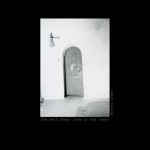
Artist: Vasco Trilla (@)
Title: The Bell Slept Long In Its Tower
Format: CD
Label: Thanatosis Produktion (@)
Rated:
Title: The Bell Slept Long In Its Tower
Format: CD
Label: Thanatosis Produktion (@)
Rated:
"The Bell Slept Long In Its Tower" is what happens when you give a virtuoso percussionist a tower full of bells, a set of timpani, and the weight of history on his shoulders - and then tell him to wake something ancient. Vasco Trilla, the Barcelona-based percussion mystic who’s apparently played on more records than you’ve had cups of coffee, offers up this latest solo exploration like a sonic archaeologist brushing dust off centuries-old resonance. He’s seven solo albums deep at this point, but who’s counting? Trilla certainly isn’t. He’s too busy exploring the delicate, mystical relationships between sound objects and empty space.
It’s easy to imagine Trilla recording this album while hunched over a snare drum, surrounded by flat-tuned bells, transducer speakers, and an assortment of what we can only assume are hand-picked relics from some secret percussionist temple. Recorded without overdubs, "The Bell Slept Long In Its Tower" is raw and unvarnished, like a field recording from a lost civilization whose only means of communication was through rhythm and resonance.
Thematically, this album is about bells - yes, bells. But not the “jingle” variety or the kind that call you to Sunday service. No, these are the types of bells that evoke long-forgotten rituals, that rumble in your chest like a memory you can’t quite place. Each piece on this album feels like it was drawn from a time when bells were more than just noisemakers; they were symbols of power, warning, and transformation. The opener, “Air,” is a gentle introduction that’s almost misleading in its simplicity. Here, the air vibrates as if the bell is still half-asleep in its tower, stretching out and yawning.
Then we move to “Acoustic Mirror”, and suddenly the whole game changes. Trilla introduces dissonance, metallic clangs echoing outwards like they’re bouncing off the walls of an ancient cavern. It’s both mesmerizing and unsettling, the kind of piece that feels like it could summon a weather event if played loud enough. The tension between the natural and the mechanical is palpable, as if Trilla is deliberately blurring the lines between organic resonance and technological artifice.
“Drowning Bells” and “Abduction,” both barely longer than a minute, are sharp, concentrated bursts of metallic energy. Trilla treats these pieces like tiny haikus - short, potent, and capable of leaving an impression long after they’re over. But it’s in the sprawling “Enveloping Dome”, clocking in at a meaty 11 minutes, where the album truly expands. The piece unfolds slowly, building layers of undulating tones that feel like they’re designed to wrap around the listener, immersing you in Trilla’s sound world. There’s a kind of sacred geometry at play here, a sense of balance between the steady drone and the sharp, percussive strikes that pierce through it.
One of Trilla’s greatest strengths is his ability to create tension without resorting to bombast. “Aural Eclipse” is a great example of this. The track simmers, with eerie, dissonant tones that hover like a storm cloud, refusing to break. You keep waiting for some grand resolution, but Trilla - master of withholding - lets the dissonance linger, reminding us that sometimes, unresolved tension is the point. And speaking of withholding, “Airless” does exactly what its title suggests. It feels suffocating, claustrophobic even, as if the percussion itself is struggling to break free from its constraints.
It’s in the closing moments of the album where Trilla’s genius is most apparent. “Awake Nature From Her Dream” feels like a slow, somber awakening, the bells and timpani interacting with a sense of melancholy reverence. And then, just when you think the journey is complete, Trilla hits you with “Metallic Choir”, a final, almost ceremonial piece that rattles the senses and leaves you wondering if the bell really did sleep - or if it was quietly watching the whole time.
Musically, "The Bell Slept Long In Its Tower" is as abstract and unconventional as you’d expect from someone like Trilla, who’s spent years pushing the boundaries of percussion into new, uncharted territory. Fans of artists like Andrea Belfi or even free improvisers like Milford Graves will find a kindred spirit here. But to pigeonhole this record as merely experimental percussion would do it a disservice. This is a work of intense focus, of reverence for sound as a living, breathing entity. There’s a painterly quality to Trilla’s playing, as if each ring, strike, and scrape is carefully considered and arranged to create a cohesive whole.
But where this album truly excels is in its evocation of space - both physical and metaphysical. Trilla’s bells and percussive objects don’t just fill the air; they inhabit it, claiming space in a way that’s both gentle and authoritative. Listening to this album feels like stepping into a world where time slows down and sound takes on a life of its own. It’s not music for multitasking or casual consumption; it demands your attention, asking you to sit with its mysteries and let the vibrations sink in.
At this point in his career, Vasco Trilla doesn’t need to prove anything. He’s not out to impress you with his technique or dazzle you with fireworks. Instead, "The Bell Slept Long In Its Tower" feels like a purging of unnecessary clutter, a distillation of his art down to its essence. It’s patient, it’s sparse, and it’s deeply meditative.
It’s easy to imagine Trilla recording this album while hunched over a snare drum, surrounded by flat-tuned bells, transducer speakers, and an assortment of what we can only assume are hand-picked relics from some secret percussionist temple. Recorded without overdubs, "The Bell Slept Long In Its Tower" is raw and unvarnished, like a field recording from a lost civilization whose only means of communication was through rhythm and resonance.
Thematically, this album is about bells - yes, bells. But not the “jingle” variety or the kind that call you to Sunday service. No, these are the types of bells that evoke long-forgotten rituals, that rumble in your chest like a memory you can’t quite place. Each piece on this album feels like it was drawn from a time when bells were more than just noisemakers; they were symbols of power, warning, and transformation. The opener, “Air,” is a gentle introduction that’s almost misleading in its simplicity. Here, the air vibrates as if the bell is still half-asleep in its tower, stretching out and yawning.
Then we move to “Acoustic Mirror”, and suddenly the whole game changes. Trilla introduces dissonance, metallic clangs echoing outwards like they’re bouncing off the walls of an ancient cavern. It’s both mesmerizing and unsettling, the kind of piece that feels like it could summon a weather event if played loud enough. The tension between the natural and the mechanical is palpable, as if Trilla is deliberately blurring the lines between organic resonance and technological artifice.
“Drowning Bells” and “Abduction,” both barely longer than a minute, are sharp, concentrated bursts of metallic energy. Trilla treats these pieces like tiny haikus - short, potent, and capable of leaving an impression long after they’re over. But it’s in the sprawling “Enveloping Dome”, clocking in at a meaty 11 minutes, where the album truly expands. The piece unfolds slowly, building layers of undulating tones that feel like they’re designed to wrap around the listener, immersing you in Trilla’s sound world. There’s a kind of sacred geometry at play here, a sense of balance between the steady drone and the sharp, percussive strikes that pierce through it.
One of Trilla’s greatest strengths is his ability to create tension without resorting to bombast. “Aural Eclipse” is a great example of this. The track simmers, with eerie, dissonant tones that hover like a storm cloud, refusing to break. You keep waiting for some grand resolution, but Trilla - master of withholding - lets the dissonance linger, reminding us that sometimes, unresolved tension is the point. And speaking of withholding, “Airless” does exactly what its title suggests. It feels suffocating, claustrophobic even, as if the percussion itself is struggling to break free from its constraints.
It’s in the closing moments of the album where Trilla’s genius is most apparent. “Awake Nature From Her Dream” feels like a slow, somber awakening, the bells and timpani interacting with a sense of melancholy reverence. And then, just when you think the journey is complete, Trilla hits you with “Metallic Choir”, a final, almost ceremonial piece that rattles the senses and leaves you wondering if the bell really did sleep - or if it was quietly watching the whole time.
Musically, "The Bell Slept Long In Its Tower" is as abstract and unconventional as you’d expect from someone like Trilla, who’s spent years pushing the boundaries of percussion into new, uncharted territory. Fans of artists like Andrea Belfi or even free improvisers like Milford Graves will find a kindred spirit here. But to pigeonhole this record as merely experimental percussion would do it a disservice. This is a work of intense focus, of reverence for sound as a living, breathing entity. There’s a painterly quality to Trilla’s playing, as if each ring, strike, and scrape is carefully considered and arranged to create a cohesive whole.
But where this album truly excels is in its evocation of space - both physical and metaphysical. Trilla’s bells and percussive objects don’t just fill the air; they inhabit it, claiming space in a way that’s both gentle and authoritative. Listening to this album feels like stepping into a world where time slows down and sound takes on a life of its own. It’s not music for multitasking or casual consumption; it demands your attention, asking you to sit with its mysteries and let the vibrations sink in.
At this point in his career, Vasco Trilla doesn’t need to prove anything. He’s not out to impress you with his technique or dazzle you with fireworks. Instead, "The Bell Slept Long In Its Tower" feels like a purging of unnecessary clutter, a distillation of his art down to its essence. It’s patient, it’s sparse, and it’s deeply meditative.