
Browse by Genre
Industrial Music / Industrial Metal / Aggro Industrial / Electro Metal
Industrial Noise / Power Noise / Harsh Noise
Synth Pop / Electro Pop / Synth-Electronica
Techno / Trance / Goa / Drum'n'Bass / Jungle / Tribal / Trip-Hop
Ambient / Electronica / Ethereal / Dub / Soundscapes / Abstract
Experimental / Avantgarde / Weird & Wired / Glitch / Noise / Field Recording
Dark / Gothic / Wave / New Wave / Dark Wave / Industrial Gothic
New Music / Downtown / Avantgarde Jazz / New Classical / World
Search Reviews
Music Reviews
Zle Oko: Xenos

In the vast, often confounding landscape of experimental music, where genre lines blur into oblivion and the boundaries between noise and melody are constantly renegotiated, ZLE OKO’s "Xenos" stakes a claim with unyielding ferocity. If her 2019 debut "Cykuta" was a bold statement, "Xenos" is the artist doubling down, challenging listeners to traverse the jagged terrains of her soundscapes with open ears and unguarded minds.
Olga23, the creative force behind ZLE OKO, is no stranger to defying expectations. A former bassist for the downtempo punk outfit DNO, she’s brought her sensibilities as a visual artist and graphic designer to her music, creating aural collages that refuse to conform. "Xenos" is an extension of this defiance — a complex tapestry of "feminoise" drone, and punk that collides with industrial and illbient rhythms to create a sound both abrasive and hypnotic.
The album opens with "Las Intro", a track that immediately immerses you in its dark, throbbing ambiance. It’s like stepping into a forest at night, the shadows playing tricks on your mind, the sounds disorienting yet oddly familiar. As the album progresses, this atmosphere only deepens. "Zlo Uroslo" and "Nie chce Byc Najlepsz Wersja Siebie" marry gritty electronic textures with haunting vocal lines, offering a dissection of societal expectations and personal identity. It’s in these moments that ZLE OKO's self-described "feminoise" becomes most potent—an auditory protest against conformity and the oppression of self-expression.
The title track, "Xenos", serves as a centerpiece of sorts. Here, ZLE OKO delves into the alienation and otherness that the word implies. The track is a raw, pulsating exploration of dislocation, its rhythms as unsettling as they are compelling. If one were to venture a cinematic comparison, it could be likened to certain films by Cronenberg—disturbing yet impossible to look away from, or in this case, stop listening to.
Tracks like "Skowyt Niespelnionych Macic" and "Zle Oko" push the boundaries further, with distorted vocals and chaotic soundscapes that evoke a primal scream, both terrifying and cathartic. These pieces are not for the faint of heart; they demand engagement, reflection, and perhaps a certain masochistic pleasure in their sonic brutality.
Despite its abrasive nature, "Xenos" is not without moments of introspection. "Przepraszam" with its layered, almost fragile electronic pulses, feels like an apology wrapped in razor wire—sincere, but unwilling to be vulnerable without a fight. The album closes with "Las Outro", bookending the journey with a return to the dark forest, now more familiar, yet still shrouded in mystery.
What makes "Xenos" particularly compelling is its unapologetic refusal to fit neatly into any one category. Olga23’s influences are broad, ranging from early 90s industrial to feminist anarcho-punk, yet she distills these into something distinctly her own. The result is an album that is as much a reflection of the chaotic times we live in as it is a deeply personal statement of artistic intent.
In "Xenos", ZLE OKO continues to carve out her niche in the experimental music scene. It’s not an easy listen, nor is it meant to be. But for those willing to take the plunge, it offers a rich, if unsettling, exploration of the noise within and without.
Olga23, the creative force behind ZLE OKO, is no stranger to defying expectations. A former bassist for the downtempo punk outfit DNO, she’s brought her sensibilities as a visual artist and graphic designer to her music, creating aural collages that refuse to conform. "Xenos" is an extension of this defiance — a complex tapestry of "feminoise" drone, and punk that collides with industrial and illbient rhythms to create a sound both abrasive and hypnotic.
The album opens with "Las Intro", a track that immediately immerses you in its dark, throbbing ambiance. It’s like stepping into a forest at night, the shadows playing tricks on your mind, the sounds disorienting yet oddly familiar. As the album progresses, this atmosphere only deepens. "Zlo Uroslo" and "Nie chce Byc Najlepsz Wersja Siebie" marry gritty electronic textures with haunting vocal lines, offering a dissection of societal expectations and personal identity. It’s in these moments that ZLE OKO's self-described "feminoise" becomes most potent—an auditory protest against conformity and the oppression of self-expression.
The title track, "Xenos", serves as a centerpiece of sorts. Here, ZLE OKO delves into the alienation and otherness that the word implies. The track is a raw, pulsating exploration of dislocation, its rhythms as unsettling as they are compelling. If one were to venture a cinematic comparison, it could be likened to certain films by Cronenberg—disturbing yet impossible to look away from, or in this case, stop listening to.
Tracks like "Skowyt Niespelnionych Macic" and "Zle Oko" push the boundaries further, with distorted vocals and chaotic soundscapes that evoke a primal scream, both terrifying and cathartic. These pieces are not for the faint of heart; they demand engagement, reflection, and perhaps a certain masochistic pleasure in their sonic brutality.
Despite its abrasive nature, "Xenos" is not without moments of introspection. "Przepraszam" with its layered, almost fragile electronic pulses, feels like an apology wrapped in razor wire—sincere, but unwilling to be vulnerable without a fight. The album closes with "Las Outro", bookending the journey with a return to the dark forest, now more familiar, yet still shrouded in mystery.
What makes "Xenos" particularly compelling is its unapologetic refusal to fit neatly into any one category. Olga23’s influences are broad, ranging from early 90s industrial to feminist anarcho-punk, yet she distills these into something distinctly her own. The result is an album that is as much a reflection of the chaotic times we live in as it is a deeply personal statement of artistic intent.
In "Xenos", ZLE OKO continues to carve out her niche in the experimental music scene. It’s not an easy listen, nor is it meant to be. But for those willing to take the plunge, it offers a rich, if unsettling, exploration of the noise within and without.
Genetic Transmission: Offals of Emotions

Artist: Genetic Transmission (@)
Title: Offals of Emotions
Format: CD
Label: Zoharum (http://zoharum.com/) (@)
Rated:


Title: Offals of Emotions
Format: CD
Label: Zoharum (http://zoharum.com/) (@)
Rated:
Genetic Transmission’s "Offals of Emotions" stands as a profound testament to the radical fringes of noise music. Released as part of the GT Archive Series, this reissue transports listeners back to the sonic landscape of 2004, where Tomek Twardawa (Genetic Transmission's registered name) was in the midst of his most uncompromising phase. The album is not merely a collection of tracks; it’s a dense, nearly 70-minute exploration of sound at its most primal and unrefined, a challenging journey that teeters on the edge of auditory overload and meditative abstraction.
From the outset, "Offals of Emotions" bombards the listener with an unrelenting wall of sound. High-frequency feedback clashes with abrasive textures, forming a cacophony that feels more like an industrial process gone awry than anything resembling traditional music. But to reduce this work to mere noise would be to overlook the meticulous craftsmanship behind it. Twardawa doesn’t just throw sounds together; he sculpts them, layering feedback, glitches, and field recordings into a complex, evolving soundscape that demands active listening.
The album’s structure is fluid, almost formless, as it eschews conventional notions of melody, harmony, or rhythm. Instead, it thrives on tension and release, with each moment building upon the last in a seemingly endless cycle of destruction and rebirth (to venture a cinematic comparison, it could be likened to certain films by Cronenberg). There are stretches where the noise becomes almost overwhelming, only to recede into quieter, more introspective passages that offer brief moments of respite. These transitions are not random; they are deliberate, designed to push the listener to the brink before pulling them back, only to start the process anew.
There’s a certain irony in the album’s title, "Offals of Emotions", as the work seems to strip away the emotional comfort that music typically provides, leaving behind something raw, visceral, and unsettling. Yet, it is precisely in this deconstruction that the album finds its power. The noise becomes a medium through which Twardawa explores the depths of human experience, not through words or melodies, but through the very act of sonic confrontation. The harshness of the sounds mirrors the chaos and brutality of life, while the moments of calm reflect the fleeting nature of peace and clarity.
Listening to "Offals of Emotions" is akin to standing in the eye of a storm, surrounded by swirling chaos yet finding a strange sense of calm within it. Every crackle, every burst of static, every screech of feedback is a reminder that this is not passive listening. It’s a challenge, a test of endurance, and ultimately, a journey into the heart of noise.
For those familiar with the noise genre, comparisons to artists like Merzbow or Whitehouse are inevitable, yet Genetic Transmission carves out its own slot. Where Merzbow often dives headfirst into overwhelming noise, and Whitehouse channels aggression into power electronics, Twardawa’s approach is more nuanced. He doesn’t just assault the senses; he manipulates them, guiding the listener through a carefully constructed soundscape that is as much about the spaces between the noise as it is about the noise itself.
"Offals of Emotions" is a difficult album, but it’s also a deeply rewarding one for those willing to engage with it on its own terms. It’s not music in the traditional sense, but rather an experience — one that challenges, provokes, and ultimately, transforms. Whether you emerge from it feeling enlightened or unsettled, there’s no denying the impact it leaves behind. In the world of experimental noise, few albums manage to strike such a delicate balance between chaos and control, making "Offals of Emotions" a standout in Genetic Transmission’s discography and a must-listen for aficionados of the genre.
From the outset, "Offals of Emotions" bombards the listener with an unrelenting wall of sound. High-frequency feedback clashes with abrasive textures, forming a cacophony that feels more like an industrial process gone awry than anything resembling traditional music. But to reduce this work to mere noise would be to overlook the meticulous craftsmanship behind it. Twardawa doesn’t just throw sounds together; he sculpts them, layering feedback, glitches, and field recordings into a complex, evolving soundscape that demands active listening.
The album’s structure is fluid, almost formless, as it eschews conventional notions of melody, harmony, or rhythm. Instead, it thrives on tension and release, with each moment building upon the last in a seemingly endless cycle of destruction and rebirth (to venture a cinematic comparison, it could be likened to certain films by Cronenberg). There are stretches where the noise becomes almost overwhelming, only to recede into quieter, more introspective passages that offer brief moments of respite. These transitions are not random; they are deliberate, designed to push the listener to the brink before pulling them back, only to start the process anew.
There’s a certain irony in the album’s title, "Offals of Emotions", as the work seems to strip away the emotional comfort that music typically provides, leaving behind something raw, visceral, and unsettling. Yet, it is precisely in this deconstruction that the album finds its power. The noise becomes a medium through which Twardawa explores the depths of human experience, not through words or melodies, but through the very act of sonic confrontation. The harshness of the sounds mirrors the chaos and brutality of life, while the moments of calm reflect the fleeting nature of peace and clarity.
Listening to "Offals of Emotions" is akin to standing in the eye of a storm, surrounded by swirling chaos yet finding a strange sense of calm within it. Every crackle, every burst of static, every screech of feedback is a reminder that this is not passive listening. It’s a challenge, a test of endurance, and ultimately, a journey into the heart of noise.
For those familiar with the noise genre, comparisons to artists like Merzbow or Whitehouse are inevitable, yet Genetic Transmission carves out its own slot. Where Merzbow often dives headfirst into overwhelming noise, and Whitehouse channels aggression into power electronics, Twardawa’s approach is more nuanced. He doesn’t just assault the senses; he manipulates them, guiding the listener through a carefully constructed soundscape that is as much about the spaces between the noise as it is about the noise itself.
"Offals of Emotions" is a difficult album, but it’s also a deeply rewarding one for those willing to engage with it on its own terms. It’s not music in the traditional sense, but rather an experience — one that challenges, provokes, and ultimately, transforms. Whether you emerge from it feeling enlightened or unsettled, there’s no denying the impact it leaves behind. In the world of experimental noise, few albums manage to strike such a delicate balance between chaos and control, making "Offals of Emotions" a standout in Genetic Transmission’s discography and a must-listen for aficionados of the genre.
Brandkommando: 1989

Artist: Brandkommando (@)
Title: 1989
Format: CD + Download
Label: Zoharum (http://zoharum.com/) (@)
Rated:
Title: 1989
Format: CD + Download
Label: Zoharum (http://zoharum.com/) (@)
Rated:
Power electronics isn’t a genre for the masses, and BRANDKOMMANDO’s "1989" is no exception. The album, released by Zoharum in January 2023, immerses listeners in the dark, oppressive world of Romania’s 1989 revolution. This isn’t just music — it’s a sonic documentary of terror, revolt, and the raw, ugly mechanics of a totalitarian regime collapsing in on itself.
BRANDKOMMANDO, a leading force in Polish power electronics, has always excelled at channeling socio-political anger into abrasive, challenging soundscapes. With "1989", Karol Wachowski (the man behind this project's curtains) has crafted a concept album that dives deep into the turmoil of Nicolae Ceauescu’s Romania, capturing the brutality and desperation of that period with an unflinching gaze.
From the opening title track, "1989", you’re thrust into a cauldron of harsh noise and distorted vocals, a relentless assault on the senses that reflects the chaos of revolution. This track sets the tone for the rest of the album, establishing an atmosphere of suffocating tension and paranoia. It's a four-minute introduction to a soundscape that feels like it could crumble under its own weight at any moment—a perfect reflection of the state apparatus in its death throes.
"Soarele Carpatilor", the second track, intensifies the dread with a grinding, mechanical rhythm that evokes the drudgery and fear of life under Ceauescu. The title, meaning "The Sun of the Carpathians", ironically refers to Ceauescu’s grandiose self-stylization. The track’s sinister undertones and relentless drive mirror the oppressive nature of a regime that demanded adoration while instilling terror.
"Teroare", the album's centerpiece, is a nine-minute descent into aural horror. Here, BRANDKOMMANDO pulls no punches, layering samples, screams, and noise to create an overwhelming sense of dread. It’s an audio depiction of the fear that gripped the nation as the Securitate, Ceauescu’s feared secret police, attempted to crush dissent. The track builds and builds, refusing release, much like the inexorable rise of revolutionary fervor in Romania.
The final track, "Securitate", is a 15-minute epic that stands as a brutal reminder of the machinery of oppression. The track’s length and oppressive soundscapes reflect the omnipresent surveillance and repression that characterized the Securitate. Yet, in its relentless drive, there is a hint of the inevitability of collapse — a slow, grinding inevitability that finally came to fruition with the execution of Ceauescu and his wife.
Musically, "1989" is a difficult listen, but then, it’s meant to be. BRANDKOMMANDO has a reputation for delivering some of the most potent and politically charged power electronics in the scene, and "1989" only solidifies that standing. The album’s focus on Romania’s revolution is a natural fit for the project, blending historical narrative with the visceral impact of harsh noise to create a work that is as intellectually challenging as it is emotionally overwhelming.
In comparison to other artists in the power electronics and industrial scene, BRANDKOMMANDO’s approach on "1989" feels particularly focused and intense. While artists like Genocide Organ or Prurient might explore similar sonic territories, "1989" stands out for its thematic cohesion and historical specificity. It’s a stark reminder of the power of this genre to not just reflect but to interrogate history through sound.
Ultimately, "1989" is a harrowing, yet essential listen for those who appreciate power electronics with a purpose. It’s an album that not only documents but also forces us to engage with the darkest aspects of human history. In doing so, BRANDKOMMANDO has created a work that, like the revolution it portrays, leaves a lasting impact.
BRANDKOMMANDO, a leading force in Polish power electronics, has always excelled at channeling socio-political anger into abrasive, challenging soundscapes. With "1989", Karol Wachowski (the man behind this project's curtains) has crafted a concept album that dives deep into the turmoil of Nicolae Ceauescu’s Romania, capturing the brutality and desperation of that period with an unflinching gaze.
From the opening title track, "1989", you’re thrust into a cauldron of harsh noise and distorted vocals, a relentless assault on the senses that reflects the chaos of revolution. This track sets the tone for the rest of the album, establishing an atmosphere of suffocating tension and paranoia. It's a four-minute introduction to a soundscape that feels like it could crumble under its own weight at any moment—a perfect reflection of the state apparatus in its death throes.
"Soarele Carpatilor", the second track, intensifies the dread with a grinding, mechanical rhythm that evokes the drudgery and fear of life under Ceauescu. The title, meaning "The Sun of the Carpathians", ironically refers to Ceauescu’s grandiose self-stylization. The track’s sinister undertones and relentless drive mirror the oppressive nature of a regime that demanded adoration while instilling terror.
"Teroare", the album's centerpiece, is a nine-minute descent into aural horror. Here, BRANDKOMMANDO pulls no punches, layering samples, screams, and noise to create an overwhelming sense of dread. It’s an audio depiction of the fear that gripped the nation as the Securitate, Ceauescu’s feared secret police, attempted to crush dissent. The track builds and builds, refusing release, much like the inexorable rise of revolutionary fervor in Romania.
The final track, "Securitate", is a 15-minute epic that stands as a brutal reminder of the machinery of oppression. The track’s length and oppressive soundscapes reflect the omnipresent surveillance and repression that characterized the Securitate. Yet, in its relentless drive, there is a hint of the inevitability of collapse — a slow, grinding inevitability that finally came to fruition with the execution of Ceauescu and his wife.
Musically, "1989" is a difficult listen, but then, it’s meant to be. BRANDKOMMANDO has a reputation for delivering some of the most potent and politically charged power electronics in the scene, and "1989" only solidifies that standing. The album’s focus on Romania’s revolution is a natural fit for the project, blending historical narrative with the visceral impact of harsh noise to create a work that is as intellectually challenging as it is emotionally overwhelming.
In comparison to other artists in the power electronics and industrial scene, BRANDKOMMANDO’s approach on "1989" feels particularly focused and intense. While artists like Genocide Organ or Prurient might explore similar sonic territories, "1989" stands out for its thematic cohesion and historical specificity. It’s a stark reminder of the power of this genre to not just reflect but to interrogate history through sound.
Ultimately, "1989" is a harrowing, yet essential listen for those who appreciate power electronics with a purpose. It’s an album that not only documents but also forces us to engage with the darkest aspects of human history. In doing so, BRANDKOMMANDO has created a work that, like the revolution it portrays, leaves a lasting impact.
Whalesong: Leaving A Dream
Whalesong, the elusive musical entity from Tarnowskie Góry, has once again defied categorization with their third studio album, "Leaving A Dream". Released on July 14, 2023, through Zoharum in collaboration with Old Temple, this monumental work spans over 120 minutes and occupies two CDs. It is an album that beckons listeners into a sonic world where genres blur, emotions collide, and the line between dream and reality is perpetually in flux.
From the first unsettling notes of "Enter", Whalesong plunges the listener into an auditory landscape that is both hypnotic and treacherous. The music builds like molten lava beneath a seemingly dormant volcano—slow, simmering, and full of latent power. The tension escalates, sounds swirl together in an ever-tightening spiral, only to retreat at the brink of eruption, offering fleeting moments of calm before plunging back into the chaos. This is music that embodies contradiction: raw yet refined, chaotic yet meticulously crafted, harsh yet laced with unexpected beauty.
Whalesong’s music has always been resistant to easy classification, and "Leaving A Dream" is no exception. The band pulls from a dizzying array of influences—industrial, noise rock, drone, jazz, post-rock — while managing to transcend them all. The album doesn’t merely flirt with different genres; it engages in a full-on dialogue with them, twisting and transforming familiar elements into something uniquely its own. Unlike some experimental acts that merely mimic their influences, Whalesong uses them as tools to carve out a sound that is as original as it is unmistakable.
The band’s lineup is as eclectic as their sound. Micha Kiebasa, the mastermind behind Whalesong, is a sonic architect of the highest order, layering vocals, guitars, and an arsenal of unconventional instruments — theremin, hammered dulcimer, tubular bells, and even circular saws—into a dense, immersive tapestry. His fellow band members, Grzegorz Zawadzki (drums, percussion) and Piotr Dziemski (guitars), along with vocalist Elise Aranguren, form a tight, intuitive collective that thrives on the unpredictable. Yet, the album’s true richness comes from the impressive roster of guest musicians, including Attila Csihar (SUNN O))), Mayhem), Steve Blanco (Imperial Triumphant), and Wukir Suryadi (Senyawa), among others. These collaborations bring new dimensions to Whalesong's sound, adding layers of depth and complexity that make the album an almost overwhelming sensory experience.
Tracks like "Leaving A Dream" and "We Have Never Really Lived" showcase the band's ability to weave intricate narratives out of sound. These are not mere songs; they are epic sagas told through a fusion of noise, melody, and rhythm. The former feels like a melancholic reflection on the ephemeral nature of existence, with each note tinged with a sense of longing. The latter, by contrast, is an existential battle cry, a defiant declaration that resonates with the primal need to find meaning in a world teetering on the brink of chaos.
The album’s grand finale, "From The Ashes" and "shekissedmewithhervenomouslips", push the boundaries of what music can achieve, stretching past the twenty-minute mark without ever losing focus. These compositions are a testament to the band’s refusal to be constrained by conventional song structures. Instead, they allow the music to evolve organically, leading the listener on a journey through soundscapes that are as disorienting as they are captivating.
In "Leaving A Dream", Whalesong has created something truly monumental. It is an album that resists easy listening, demanding full immersion from its audience in spite of the apparently unfathomable thickness of its huge walls of noises. Yet, for those willing to surrender to its pull, it offers a deeply rewarding experience — one that lingers long after the final notes have faded. This is music that can potentially leave an indelible mark on all who encounter it.
From the first unsettling notes of "Enter", Whalesong plunges the listener into an auditory landscape that is both hypnotic and treacherous. The music builds like molten lava beneath a seemingly dormant volcano—slow, simmering, and full of latent power. The tension escalates, sounds swirl together in an ever-tightening spiral, only to retreat at the brink of eruption, offering fleeting moments of calm before plunging back into the chaos. This is music that embodies contradiction: raw yet refined, chaotic yet meticulously crafted, harsh yet laced with unexpected beauty.
Whalesong’s music has always been resistant to easy classification, and "Leaving A Dream" is no exception. The band pulls from a dizzying array of influences—industrial, noise rock, drone, jazz, post-rock — while managing to transcend them all. The album doesn’t merely flirt with different genres; it engages in a full-on dialogue with them, twisting and transforming familiar elements into something uniquely its own. Unlike some experimental acts that merely mimic their influences, Whalesong uses them as tools to carve out a sound that is as original as it is unmistakable.
The band’s lineup is as eclectic as their sound. Micha Kiebasa, the mastermind behind Whalesong, is a sonic architect of the highest order, layering vocals, guitars, and an arsenal of unconventional instruments — theremin, hammered dulcimer, tubular bells, and even circular saws—into a dense, immersive tapestry. His fellow band members, Grzegorz Zawadzki (drums, percussion) and Piotr Dziemski (guitars), along with vocalist Elise Aranguren, form a tight, intuitive collective that thrives on the unpredictable. Yet, the album’s true richness comes from the impressive roster of guest musicians, including Attila Csihar (SUNN O))), Mayhem), Steve Blanco (Imperial Triumphant), and Wukir Suryadi (Senyawa), among others. These collaborations bring new dimensions to Whalesong's sound, adding layers of depth and complexity that make the album an almost overwhelming sensory experience.
Tracks like "Leaving A Dream" and "We Have Never Really Lived" showcase the band's ability to weave intricate narratives out of sound. These are not mere songs; they are epic sagas told through a fusion of noise, melody, and rhythm. The former feels like a melancholic reflection on the ephemeral nature of existence, with each note tinged with a sense of longing. The latter, by contrast, is an existential battle cry, a defiant declaration that resonates with the primal need to find meaning in a world teetering on the brink of chaos.
The album’s grand finale, "From The Ashes" and "shekissedmewithhervenomouslips", push the boundaries of what music can achieve, stretching past the twenty-minute mark without ever losing focus. These compositions are a testament to the band’s refusal to be constrained by conventional song structures. Instead, they allow the music to evolve organically, leading the listener on a journey through soundscapes that are as disorienting as they are captivating.
In "Leaving A Dream", Whalesong has created something truly monumental. It is an album that resists easy listening, demanding full immersion from its audience in spite of the apparently unfathomable thickness of its huge walls of noises. Yet, for those willing to surrender to its pull, it offers a deeply rewarding experience — one that lingers long after the final notes have faded. This is music that can potentially leave an indelible mark on all who encounter it.
Daniele Martini Quartet: Impermanent
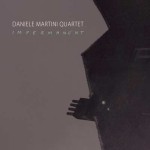
Sometimes, albums slip through the cracks, not because they’re forgettable, but because they demand a more considered approach—a time to marinate in their complexities before one can even attempt to articulate their impact. *Impermanent* by the Daniele Martini Quartet is one such album, and while this review may be fashionably late to the party, it’s a record that refuses to let go until it’s properly understood. If you also consider that the cat managed to take and hide it for a long time in the basket of his toys...
By the way, when we talk about "Impermanent", the title might suggest something fleeting, but the reality is quite the opposite. This album’s impact is durable and lasting, as it gracefully weaves through contemporary jazz with an adventurous spirit. Saxophonist Daniele Martini leads this journey, surrounded by a trio of remarkable talents: Bram De Looze on piano, Manolo Cabras on double bass, and João Lobo on drums. Together, they navigate through a spectrum of emotions and styles, creating a work that’s as cohesive as it is unpredictable.
The album opens with “For Those Who Stay”, a track that lulls you into a contemplative state with its delicate balance of melancholy and hope. Martini’s saxophone drifts over De Looze’s gentle piano, while Cabras and Lobo provide a rhythm that’s as steady as it is subtle. It’s a conversation of sorts, where each instrument knows when to lead and when to listen—a skill that defines the quartet’s dynamic throughout the album.
But don’t be lulled into thinking that "Impermanent" is all soft edges and quiet reflection. The title track, "Impermanent", jolts the listener awake with its rhythmic complexities and sharp turns. It’s a track that demands attention, much like the entire album, revealing new layers with each listen. Martini and his bandmates navigate these twists and turns with precision, making the track a highlight of the album.
“Cells” pushes the envelope even further, with Martini’s saxophone taking on a more confrontational tone. There’s a rawness here that challenges the listener, a refusal to settle into easy patterns or predictable melodies. Yet, the track never descends into chaos; instead, it’s anchored by the quartet’s impeccable sense of structure and direction.
“Auroshika” offers a breath of calm after the intensity of “Cells”. Here, Martini’s saxophone takes on a more tender tone, floating above the delicate interplay of the other instruments. It’s a moment of quiet beauty, where the quartet’s cohesion shines through in every note. The track exemplifies the album’s ability to move seamlessly between moods, showcasing the versatility and depth of the musicians.
“Fang Song Song” continues this reflective mood, with a slow, deliberate build that recalls the best of Miles Davis — not in sound, but in its patient, unhurried approach to thematic development. The track unfolds like a story, each phrase carefully considered, leading to a conclusion that feels both inevitable and satisfying.
The album closes with “Born Work Sad Happy”, a track that encapsulates the quartet’s unique blend of emotional depth and technical brilliance. It’s a fitting end to an album that refuses to be pinned down to any one emotion or style, leaving the listener with a sense of having experienced something truly special.
So, while this review may have arrived late to the party, it’s clear that "Impermanent" by the Daniele Martini Quartet is worth the wait. This is a quartet that has something profound to say, and they say it with a grace and conviction that’s rare in today’s jazz scene. If impermanence is the theme, let’s hope this album’s influence is anything but.
By the way, when we talk about "Impermanent", the title might suggest something fleeting, but the reality is quite the opposite. This album’s impact is durable and lasting, as it gracefully weaves through contemporary jazz with an adventurous spirit. Saxophonist Daniele Martini leads this journey, surrounded by a trio of remarkable talents: Bram De Looze on piano, Manolo Cabras on double bass, and João Lobo on drums. Together, they navigate through a spectrum of emotions and styles, creating a work that’s as cohesive as it is unpredictable.
The album opens with “For Those Who Stay”, a track that lulls you into a contemplative state with its delicate balance of melancholy and hope. Martini’s saxophone drifts over De Looze’s gentle piano, while Cabras and Lobo provide a rhythm that’s as steady as it is subtle. It’s a conversation of sorts, where each instrument knows when to lead and when to listen—a skill that defines the quartet’s dynamic throughout the album.
But don’t be lulled into thinking that "Impermanent" is all soft edges and quiet reflection. The title track, "Impermanent", jolts the listener awake with its rhythmic complexities and sharp turns. It’s a track that demands attention, much like the entire album, revealing new layers with each listen. Martini and his bandmates navigate these twists and turns with precision, making the track a highlight of the album.
“Cells” pushes the envelope even further, with Martini’s saxophone taking on a more confrontational tone. There’s a rawness here that challenges the listener, a refusal to settle into easy patterns or predictable melodies. Yet, the track never descends into chaos; instead, it’s anchored by the quartet’s impeccable sense of structure and direction.
“Auroshika” offers a breath of calm after the intensity of “Cells”. Here, Martini’s saxophone takes on a more tender tone, floating above the delicate interplay of the other instruments. It’s a moment of quiet beauty, where the quartet’s cohesion shines through in every note. The track exemplifies the album’s ability to move seamlessly between moods, showcasing the versatility and depth of the musicians.
“Fang Song Song” continues this reflective mood, with a slow, deliberate build that recalls the best of Miles Davis — not in sound, but in its patient, unhurried approach to thematic development. The track unfolds like a story, each phrase carefully considered, leading to a conclusion that feels both inevitable and satisfying.
The album closes with “Born Work Sad Happy”, a track that encapsulates the quartet’s unique blend of emotional depth and technical brilliance. It’s a fitting end to an album that refuses to be pinned down to any one emotion or style, leaving the listener with a sense of having experienced something truly special.
So, while this review may have arrived late to the party, it’s clear that "Impermanent" by the Daniele Martini Quartet is worth the wait. This is a quartet that has something profound to say, and they say it with a grace and conviction that’s rare in today’s jazz scene. If impermanence is the theme, let’s hope this album’s influence is anything but.