
Browse by Genre
Industrial Music / Industrial Metal / Aggro Industrial / Electro Metal
Industrial Noise / Power Noise / Harsh Noise
Synth Pop / Electro Pop / Synth-Electronica
Techno / Trance / Goa / Drum'n'Bass / Jungle / Tribal / Trip-Hop
Ambient / Electronica / Ethereal / Dub / Soundscapes / Abstract
Experimental / Avantgarde / Weird & Wired / Glitch / Noise / Field Recording
Dark / Gothic / Wave / New Wave / Dark Wave / Industrial Gothic
New Music / Downtown / Avantgarde Jazz / New Classical / World
Search Reviews
Music Reviews
Passepartout Duo and Inoyama Land: Radio Yugawara
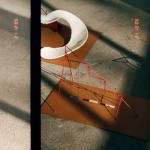
Artist: Passepartout Duo and Inoyama Land (@)
Title: Radio Yugawara
Format: LP
Label: Tonal Union (@)
Rated:

Title: Radio Yugawara
Format: LP
Label: Tonal Union (@)
Rated:
Passepartout Duo and Inoyama Land's collaborative album "Radio Yugawara" is akin to stumbling upon a secret garden where children's toys double as instruments, and the boundaries between spontaneity and meticulous craft blur into a whimsical haze. This record is not just a meeting of minds but a playful collision of worlds, each track a fleeting whisper of what could have been an extended dialogue.
Recorded in a kindergarten auditorium in Yugawara, the setting alone sets the stage for an album steeped in innocence and experimentation. The use of children's instruments — such as handbells, glockenspiels, xylophones —infuses the album with a charming naivety, while the presence of bespoke electronic devices like the chromaplane adds layers of textured sophistication. It's as if the artists invited us to a tea party where the teacups are synthesizers and the conversation is in melodies.
"Strange Clouds" opens the album with a serene blend of synths and gentle chimes, a prelude that beckons listeners into this ethereal playground. The track is a delicate dance between the organic and the electronic, setting a tone that is both inviting and enigmatic. However, one can't help but feel that just as the atmosphere begins to envelop you, it's whisked away, moving swiftly into "Abstract Pets", which introduces percussive elements that feel like the pitter-patter of playful footsteps.
"Simoom" and "Tangerine Fields" take on a more atmospheric approach, with swirling synth lines that evoke shifting weather patterns — a nod, perhaps, to the environmental music ethos that Inoyama Land is celebrated for. Yet, these tracks, while beautifully crafted, feel like sketches rather than fully realized paintings, leaving the listener yearning for deeper immersion.
"Observatory" and "Mosaic" offer tranquil interludes, their melodic structures reminiscent of lullabies whispered under starlit skies. "Xiloteca" stands out with its hypnotic arpeggios, teasing the listener with the promise of a crescendo that never quite materializes. It's a testament to the album's restraint, but also a point of mild frustration for those craving a more cathartic release.
The album culminates with "Axolotl Dreams", a track that marries pastoral chords with uplifting synth swells, serving as a gentle farewell from this ephemeral soundscape. It's a fitting end, leaving listeners both satiated and wistful, like waking from a pleasant dream that fades too quickly.
The very genesis of "Radio Yugawara" — a spontaneous improvisation session between two duos — imbues the album with an air of serendipity. The devised 'game rules' governing their collaboration inject a structure that, while innovative, sometimes feels constricting. The division into electronic-only, acoustic-only, and mixed sessions is an intriguing framework, but one wonders if it prevented deeper explorations that a more fluid approach might have allowed.
Comparisons to other environmental and ambient music pioneers are inevitable. The influence of Kanky Ongaku is palpable, and fans of Haruomi Hosono's productions will find familiar comfort here. Yet, while "Radio Yugawara" pays homage to its predecessors, it occasionally treads too lightly, hesitant to leave a lasting footprint in the vast landscape of ambient music.
"Radio Yugawara" is a delightful, if ephemeral, journey through a sonic playground curated by Passepartout Duo - formed of Nicoletta Favari (IT) and Christopher Salvito (IT/US) - and Inoyama Land - formed of Makoto Inoue and Yasushi Yamashita -. It's an album that celebrates the essence of play, the beauty of spontaneous creation, and the magic that can occur when kindred spirits converge. However, its brevity and occasional reluctance to delve deeper might leave some listeners yearning for more substantial fare.
In the end, this record is a transient broadcast — a unique moment captured in time, unlikely to be replicated. It's a gentle invitation to pause, listen, and perhaps rediscover the childlike wonder within. For those willing to embrace its fleeting nature, "Radio Yugawara" offers a charming escape into a world where the lines between the electronic and the organic, the planned and the impromptu, blur into a harmonious dance.
Recorded in a kindergarten auditorium in Yugawara, the setting alone sets the stage for an album steeped in innocence and experimentation. The use of children's instruments — such as handbells, glockenspiels, xylophones —infuses the album with a charming naivety, while the presence of bespoke electronic devices like the chromaplane adds layers of textured sophistication. It's as if the artists invited us to a tea party where the teacups are synthesizers and the conversation is in melodies.
"Strange Clouds" opens the album with a serene blend of synths and gentle chimes, a prelude that beckons listeners into this ethereal playground. The track is a delicate dance between the organic and the electronic, setting a tone that is both inviting and enigmatic. However, one can't help but feel that just as the atmosphere begins to envelop you, it's whisked away, moving swiftly into "Abstract Pets", which introduces percussive elements that feel like the pitter-patter of playful footsteps.
"Simoom" and "Tangerine Fields" take on a more atmospheric approach, with swirling synth lines that evoke shifting weather patterns — a nod, perhaps, to the environmental music ethos that Inoyama Land is celebrated for. Yet, these tracks, while beautifully crafted, feel like sketches rather than fully realized paintings, leaving the listener yearning for deeper immersion.
"Observatory" and "Mosaic" offer tranquil interludes, their melodic structures reminiscent of lullabies whispered under starlit skies. "Xiloteca" stands out with its hypnotic arpeggios, teasing the listener with the promise of a crescendo that never quite materializes. It's a testament to the album's restraint, but also a point of mild frustration for those craving a more cathartic release.
The album culminates with "Axolotl Dreams", a track that marries pastoral chords with uplifting synth swells, serving as a gentle farewell from this ephemeral soundscape. It's a fitting end, leaving listeners both satiated and wistful, like waking from a pleasant dream that fades too quickly.
The very genesis of "Radio Yugawara" — a spontaneous improvisation session between two duos — imbues the album with an air of serendipity. The devised 'game rules' governing their collaboration inject a structure that, while innovative, sometimes feels constricting. The division into electronic-only, acoustic-only, and mixed sessions is an intriguing framework, but one wonders if it prevented deeper explorations that a more fluid approach might have allowed.
Comparisons to other environmental and ambient music pioneers are inevitable. The influence of Kanky Ongaku is palpable, and fans of Haruomi Hosono's productions will find familiar comfort here. Yet, while "Radio Yugawara" pays homage to its predecessors, it occasionally treads too lightly, hesitant to leave a lasting footprint in the vast landscape of ambient music.
"Radio Yugawara" is a delightful, if ephemeral, journey through a sonic playground curated by Passepartout Duo - formed of Nicoletta Favari (IT) and Christopher Salvito (IT/US) - and Inoyama Land - formed of Makoto Inoue and Yasushi Yamashita -. It's an album that celebrates the essence of play, the beauty of spontaneous creation, and the magic that can occur when kindred spirits converge. However, its brevity and occasional reluctance to delve deeper might leave some listeners yearning for more substantial fare.
In the end, this record is a transient broadcast — a unique moment captured in time, unlikely to be replicated. It's a gentle invitation to pause, listen, and perhaps rediscover the childlike wonder within. For those willing to embrace its fleeting nature, "Radio Yugawara" offers a charming escape into a world where the lines between the electronic and the organic, the planned and the impromptu, blur into a harmonious dance.
Ayjay Nils: Microdosing EP

Artist: Ayjay Nils
Title: Microdosing EP
Format: Download Only (MP3 + Lossless)
Label: Mille Plateaux (@)
Rated:
Title: Microdosing EP
Format: Download Only (MP3 + Lossless)
Label: Mille Plateaux (@)
Rated:
From the outset, "Microdosing" positions itself as an aural patchwork quilt—each track a distinct, albeit brief, exploration of different sounds and styles. The opener, "Another Introduction", is exactly what it promises: a short, enigmatic prelude that hints at the chaos to come. The track sets a tone of whimsical uncertainty, laying out a minimalistic foundation with a touch of classical flair, but then it’s gone before it can solidify into anything coherent.
The second track, "BANG BANG BANG BANG" is a frenetic burst of energy that feels like a playful jab at conventional beat structures. Its relentless brevity and jittery nature offer a stark contrast to the more meditative moments in the album, like "Birds", which stretches out with a more tranquil, almost pastoral feel. This track provides a fleeting sense of calm before the musical whirlwind resumes.
"Henry VIII" is a mere minute long, a historical nod wrapped in experimental sonic clippings, but its brevity feels less like an artistic choice and more like a half-baked idea that wasn’t quite ready for the world. Meanwhile, "R.G. Remix (slower motion mix)" reworks a previous track with a more languid tempo, yet the change feels more like a curious footnote rather than a substantial reimagining.
The pièce de résistance, "Harpsichord Can Fuck Too" stands out as an audacious, tongue-in-cheek declaration of experimental freedom. The harpsichord here isn’t just an instrument; it’s an attitude. This track embodies the playful irreverence that characterizes much of the album, serving both as a critique and celebration of classical conventions.
One can’t help but chuckle at the album's self-aware irony. "Microdosing" feels like a sonic mood board—an array of musical ideas that Nils seemingly tried to cram into a single, albeit fleeting, experience. The track names alone, from the brash "BANG BANG BANG BANG" to the audacious "Harpsichord Can Fuck Too", suggest a playful critique of musical seriousness.
This experimental approach, while endearing in its audacity, does come with the risk of feeling somewhat scattershot. Nils’ refusal to commit to a single musical idea or genre might be seen as a refreshing embrace of creative freedom, or it might come across as a somewhat disjointed exercise in indulgence.
In the realm of experimental and electronic music, "Microdosing" aligns with a trend towards brief, eclectic works that challenge traditional album structures. Similar to artists like Aphex Twin, who often weave a disparate collection of ideas into cohesive projects, Nils offers his own version of this approach—though with a more fragmented execution. It’s an album that invites comparison to works that use short, sharp bursts of creativity to make a statement, albeit without the same level of cohesion or impact.
While "Microdosing" might not satisfy listeners craving a unified musical journey, it serves as a snapshot of Nils’ multifaceted artistic identity. It’s a collection of fleeting thoughts and half-formed ideas, delivered with a sense of humor and irreverence. Whether this approach will resonate depends largely on the listener’s tolerance for sonic fragmentation and eclecticism.
"Microdosing" is a curious experiment, a musical mixtape that dances through genres and ideas with gleeful abandon. It’s the sort of album that might be appreciated more for its concept and audacity than for its cohesive listening experience. For those who revel in musical variety and fleeting impressions, Ayjay Nils’ latest offering is a short but intriguing ride. For others, it may well feel like a brief, bewildering encounter with an artist who is still searching for his sonic equilibrium. Either way, it’s a fascinating glimpse into the whims of a creative mind unwilling to be pinned down.
The second track, "BANG BANG BANG BANG" is a frenetic burst of energy that feels like a playful jab at conventional beat structures. Its relentless brevity and jittery nature offer a stark contrast to the more meditative moments in the album, like "Birds", which stretches out with a more tranquil, almost pastoral feel. This track provides a fleeting sense of calm before the musical whirlwind resumes.
"Henry VIII" is a mere minute long, a historical nod wrapped in experimental sonic clippings, but its brevity feels less like an artistic choice and more like a half-baked idea that wasn’t quite ready for the world. Meanwhile, "R.G. Remix (slower motion mix)" reworks a previous track with a more languid tempo, yet the change feels more like a curious footnote rather than a substantial reimagining.
The pièce de résistance, "Harpsichord Can Fuck Too" stands out as an audacious, tongue-in-cheek declaration of experimental freedom. The harpsichord here isn’t just an instrument; it’s an attitude. This track embodies the playful irreverence that characterizes much of the album, serving both as a critique and celebration of classical conventions.
One can’t help but chuckle at the album's self-aware irony. "Microdosing" feels like a sonic mood board—an array of musical ideas that Nils seemingly tried to cram into a single, albeit fleeting, experience. The track names alone, from the brash "BANG BANG BANG BANG" to the audacious "Harpsichord Can Fuck Too", suggest a playful critique of musical seriousness.
This experimental approach, while endearing in its audacity, does come with the risk of feeling somewhat scattershot. Nils’ refusal to commit to a single musical idea or genre might be seen as a refreshing embrace of creative freedom, or it might come across as a somewhat disjointed exercise in indulgence.
In the realm of experimental and electronic music, "Microdosing" aligns with a trend towards brief, eclectic works that challenge traditional album structures. Similar to artists like Aphex Twin, who often weave a disparate collection of ideas into cohesive projects, Nils offers his own version of this approach—though with a more fragmented execution. It’s an album that invites comparison to works that use short, sharp bursts of creativity to make a statement, albeit without the same level of cohesion or impact.
While "Microdosing" might not satisfy listeners craving a unified musical journey, it serves as a snapshot of Nils’ multifaceted artistic identity. It’s a collection of fleeting thoughts and half-formed ideas, delivered with a sense of humor and irreverence. Whether this approach will resonate depends largely on the listener’s tolerance for sonic fragmentation and eclecticism.
"Microdosing" is a curious experiment, a musical mixtape that dances through genres and ideas with gleeful abandon. It’s the sort of album that might be appreciated more for its concept and audacity than for its cohesive listening experience. For those who revel in musical variety and fleeting impressions, Ayjay Nils’ latest offering is a short but intriguing ride. For others, it may well feel like a brief, bewildering encounter with an artist who is still searching for his sonic equilibrium. Either way, it’s a fascinating glimpse into the whims of a creative mind unwilling to be pinned down.
Stefan Goldmann: Expanse
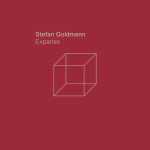
Artist: Stefan Goldmann
Title: Expanse
Format: CDx5 (quintuple CD boxset)
Label: Edition Kymata
Rated:

Title: Expanse
Format: CDx5 (quintuple CD boxset)
Label: Edition Kymata
Rated:
Stefan Goldmann’s "Expanse" on Edition Kymata is a paragon of avant-garde dedication, a five-CD odyssey that challenges, seduces, and perhaps dares the listener to transcend the mundane. A project drenched in reverb and conceptual audacity, "Expanse" seems designed for an audience that revels in the abstract and the esoteric, where music meets an immersive, intellectual abstraction.
Goldmann’s "Expanse" stands as a stark contrast to the ephemeral, often forgettable output in electronic music. Instead of transient beats or catchy hooks, this work offers something more akin to a spiritual, cerebral journey. Each "Sector" is a sprawling, hour-long exploration of reverb as a primary musical element, a decision that borders on both audacious and paradoxically mundane. The five long-form tracks are essentially five profound exercises in auditory architecture, echoing their conceptual forebearers but with a distinct modern flourish.
The liner notes hint at an ambition to recreate "impossible architecture", and Goldmann succeeds in creating auditory spaces that are both infinite and intimately enclosed. These pieces are not for casual listening; they require an environment where the listener can immerse fully. Here lies the irony—while the music itself strives to create a boundless, almost architectural vastness, the listener’s experience is tethered to the very corporeal limitations it aims to escape. The immersion demands not just attention, but a sort of cognitive space that many might find excessively demanding.
The aesthetic of "Expanse" is not immediately accessible or even welcoming. Goldmann's choice to focus solely on reverb creates a paradoxical sensation of both presence and absence. The enveloping soundscapes are soothing in their monotony yet menacing in their omnipresence. The experience is akin to wandering through an architectural masterpiece with no clear exit—a beautiful, disorienting labyrinth of sound.
In "Sector 1", the gentle reverberations may initially seem to offer solace, but as the hours pass, they become an ever-present fog that can obscure rather than clarify. Similarly, "Sector 2" through "Sector 5" each present their own subtle twists on this theme, evolving from the soothing to the unsettling. The progression from one sector to the next is less about change and more about the nuanced exploration of the same thematic territory.
On an analytical level, "Expanse" is a profound study in the mechanics of reverb. Each sector is meticulously designed to exploit the acoustic properties of an imagined space. This approach allows Goldmann to dissect and present the granular aspects of auditory perception and the ways in which space can be perceived through sound alone. The statistical data alluded to in the liner notes suggests a rigor and precision that would appeal to both audiophiles and those fascinated by the intersection of mathematics and music.
However, this intense focus on reverb can become somewhat monotonous. While the concept is intriguing, the execution sometimes feels like a high-brow exercise in sonic minimalism. For those not entirely enamored with the dissection of reverb’s theoretical properties, the experience might come off as a monotonous drone rather than an inspiring journey.
Goldmann’s "Expanse" stands as a stark contrast to the ephemeral, often forgettable output in electronic music. Instead of transient beats or catchy hooks, this work offers something more akin to a spiritual, cerebral journey. Each "Sector" is a sprawling, hour-long exploration of reverb as a primary musical element, a decision that borders on both audacious and paradoxically mundane. The five long-form tracks are essentially five profound exercises in auditory architecture, echoing their conceptual forebearers but with a distinct modern flourish.
The liner notes hint at an ambition to recreate "impossible architecture", and Goldmann succeeds in creating auditory spaces that are both infinite and intimately enclosed. These pieces are not for casual listening; they require an environment where the listener can immerse fully. Here lies the irony—while the music itself strives to create a boundless, almost architectural vastness, the listener’s experience is tethered to the very corporeal limitations it aims to escape. The immersion demands not just attention, but a sort of cognitive space that many might find excessively demanding.
The aesthetic of "Expanse" is not immediately accessible or even welcoming. Goldmann's choice to focus solely on reverb creates a paradoxical sensation of both presence and absence. The enveloping soundscapes are soothing in their monotony yet menacing in their omnipresence. The experience is akin to wandering through an architectural masterpiece with no clear exit—a beautiful, disorienting labyrinth of sound.
In "Sector 1", the gentle reverberations may initially seem to offer solace, but as the hours pass, they become an ever-present fog that can obscure rather than clarify. Similarly, "Sector 2" through "Sector 5" each present their own subtle twists on this theme, evolving from the soothing to the unsettling. The progression from one sector to the next is less about change and more about the nuanced exploration of the same thematic territory.
On an analytical level, "Expanse" is a profound study in the mechanics of reverb. Each sector is meticulously designed to exploit the acoustic properties of an imagined space. This approach allows Goldmann to dissect and present the granular aspects of auditory perception and the ways in which space can be perceived through sound alone. The statistical data alluded to in the liner notes suggests a rigor and precision that would appeal to both audiophiles and those fascinated by the intersection of mathematics and music.
However, this intense focus on reverb can become somewhat monotonous. While the concept is intriguing, the execution sometimes feels like a high-brow exercise in sonic minimalism. For those not entirely enamored with the dissection of reverb’s theoretical properties, the experience might come off as a monotonous drone rather than an inspiring journey.
Sorry For Laughing: Sun Comes

Gordon H. Whitlow’s project Sorry For Laughing is a bit like a vintage watch — steeped in tradition, meticulously crafted, and ticking to its own peculiar rhythm. With "Sun Comes", the group's latest release, Whitlow, and his ensemble offer a timepiece for those who measure life in moments of sonic exploration rather than minutes and hours.
Whitlow, a key figure in the avant-garde collective Biota (formerly Mnemonist Orchestra), has always been an architect of sound, constructing immersive soundscapes that defy genre conventions. This album, however, marks a new chapter. After a hiatus of three decades, Whitlow reactivated Sorry For Laughing, transforming it from a solo endeavor into a supergroup of sorts. Joined by the likes of Edward Ka-Spel (Legendary Pink Dots), Martyn Bates (Eyeless In Gaza), Patrick Q-Wright, and guitarist Janet Feder, the project now brims with a collaborative energy that feels both fresh and steeped in history.
"Sun Comes" plays out like an aural chronicle of a day in the life—if that life were lived in a place where time folds back on itself and melodies dissolve into abstraction. The album opens with "Emerge (Sense The Dawn)", a brief yet potent prelude that feels like the first rays of sunlight cracking open the sky. It’s a gentle, almost reverential start that sets the tone for the unfolding journey. Whitlow and company are in no rush here; they allow their compositions to breathe, giving each moment its due without any hurry to reach a conclusion.
The title track, "Sun Comes", is a fleeting but vivid burst of light — a mere two minutes of ephemeral beauty that leaves as quickly as it arrives. It's the musical equivalent of catching a glimpse of something extraordinary out of the corner of your eye, only to have it disappear before you can fully process it.
As the album progresses, tracks like "Give The Day, Take The Day" and "Struggle Then Redemption" (both in reality belongs to "Sun Comes" suite and the first 6 tracks, if you follow the track list detachment also visible on the release Bandcamp page) expand on this theme, moving through phases of tension and release, dissonance and harmony. "Give The Day, Take The Day" is particularly noteworthy for its patient unfolding, a nine-minute exploration that feels like a full day encapsulated in sound. It’s a piece that rewards deep listening, revealing layers of complexity beneath its deceptively simple surface.
Edward Ka-Spel’s contributions are unmistakable, particularly in the album’s more experimental moments. His presence adds an otherworldly dimension, with his signature blend of spoken word and esoteric electronics weaving in and out of the mix.
One of the album's most intriguing aspects is its ability to evoke a sense of nostalgia without succumbing to it. "The Three Roses" and "Adam Lay Ybounden" nod to old English folk traditions, but these are refracted through the band’s avant-garde lens, transforming them into something entirely new. The former is a delicate, almost fragile piece, while the latter is a darker, more brooding affair—both pieces echoing across time and space, yet anchored firmly in the present.
The album closes with "So, You Rest Easy" a sprawling twelve-minute track that feels like the final exhale after a long day. It’s a fitting end to an album that is as much about the spaces between the notes as it is about the notes themselves.
In "Sun Comes", Sorry For Laughing has created something that defies easy categorization. It’s an album that demands patience and rewards it tenfold. For those willing to invest the time, it offers a rich, immersive experience that is as intellectually stimulating as it is emotionally resonant. Whitlow and his collaborators have crafted a work that is not just a collection of songs but a journey—a journey that, like life itself, is full of unexpected twists, fleeting moments of beauty, and the occasional struggle for redemption.
Whitlow, a key figure in the avant-garde collective Biota (formerly Mnemonist Orchestra), has always been an architect of sound, constructing immersive soundscapes that defy genre conventions. This album, however, marks a new chapter. After a hiatus of three decades, Whitlow reactivated Sorry For Laughing, transforming it from a solo endeavor into a supergroup of sorts. Joined by the likes of Edward Ka-Spel (Legendary Pink Dots), Martyn Bates (Eyeless In Gaza), Patrick Q-Wright, and guitarist Janet Feder, the project now brims with a collaborative energy that feels both fresh and steeped in history.
"Sun Comes" plays out like an aural chronicle of a day in the life—if that life were lived in a place where time folds back on itself and melodies dissolve into abstraction. The album opens with "Emerge (Sense The Dawn)", a brief yet potent prelude that feels like the first rays of sunlight cracking open the sky. It’s a gentle, almost reverential start that sets the tone for the unfolding journey. Whitlow and company are in no rush here; they allow their compositions to breathe, giving each moment its due without any hurry to reach a conclusion.
The title track, "Sun Comes", is a fleeting but vivid burst of light — a mere two minutes of ephemeral beauty that leaves as quickly as it arrives. It's the musical equivalent of catching a glimpse of something extraordinary out of the corner of your eye, only to have it disappear before you can fully process it.
As the album progresses, tracks like "Give The Day, Take The Day" and "Struggle Then Redemption" (both in reality belongs to "Sun Comes" suite and the first 6 tracks, if you follow the track list detachment also visible on the release Bandcamp page) expand on this theme, moving through phases of tension and release, dissonance and harmony. "Give The Day, Take The Day" is particularly noteworthy for its patient unfolding, a nine-minute exploration that feels like a full day encapsulated in sound. It’s a piece that rewards deep listening, revealing layers of complexity beneath its deceptively simple surface.
Edward Ka-Spel’s contributions are unmistakable, particularly in the album’s more experimental moments. His presence adds an otherworldly dimension, with his signature blend of spoken word and esoteric electronics weaving in and out of the mix.
One of the album's most intriguing aspects is its ability to evoke a sense of nostalgia without succumbing to it. "The Three Roses" and "Adam Lay Ybounden" nod to old English folk traditions, but these are refracted through the band’s avant-garde lens, transforming them into something entirely new. The former is a delicate, almost fragile piece, while the latter is a darker, more brooding affair—both pieces echoing across time and space, yet anchored firmly in the present.
The album closes with "So, You Rest Easy" a sprawling twelve-minute track that feels like the final exhale after a long day. It’s a fitting end to an album that is as much about the spaces between the notes as it is about the notes themselves.
In "Sun Comes", Sorry For Laughing has created something that defies easy categorization. It’s an album that demands patience and rewards it tenfold. For those willing to invest the time, it offers a rich, immersive experience that is as intellectually stimulating as it is emotionally resonant. Whitlow and his collaborators have crafted a work that is not just a collection of songs but a journey—a journey that, like life itself, is full of unexpected twists, fleeting moments of beauty, and the occasional struggle for redemption.
Pelayo Arrizabalaga & Eli Gras: Áridos
Artist: Pelayo Arrizabalaga & Eli Gras (@)
Title: Áridos
Format: CD
Label: La Olla Expréss (http://www.laollaexpress.com/) (@)
Rated:
Title: Áridos
Format: CD
Label: La Olla Expréss (http://www.laollaexpress.com/) (@)
Rated:
At first glance, "Áridos" might seem like another quirky footnote in the ever-expanding catalogue of avant-garde sound art. But don't be fooled—this album is a masterclass in the art of controlled chaos, a deliberate journey into the sonic unknown that feels as organic as it is engineered.
Pelayo Arrizabalaga and Eli Gras, two veterans of Spain's experimental music scene, have once again joined forces, bringing together decades of experience in everything from electroacoustic improvisation to noise, free jazz, and beyond. With "Áridos", they delve deep into the textural possibilities of their instruments — Arrizabalaga's clarinet and electronics clash and coalesce with Gras's electric guitar and her beloved "sound engines", custom-built contraptions that defy easy classification.
The album opens with "Playa Vertical" a nine-minute odyssey that feels like a cross between a hard awakening and a surrealist dream. The track sets the tone for what’s to come: dissonance and harmony locked in an eternal struggle, each sound carefully placed yet tinged with a sense of unpredictability. Arrizabalaga's clarinet squeaks and wails as if it's trying to escape its own body, while Gras's guitar oscillates between jagged riffs and eerie drones, a haunted signal from a distant planet.
As the album progresses, tracks like "Grava Técnica" and "Agua Negra" reveal the duo's penchant for exploring the tension between structure and spontaneity. The former is a study in mechanical precision, with percussive elements that evoke the grinding of gears and the click of levers, while the latter plunges into darker, more meditative territory, as if the listener is being submerged in a pool of viscous, sonic tar. Both tracks, however, share a meticulous attention to detail—a hallmark of both artists’ work, honed over years of boundary-pushing collaborations.
It’s hard not to draw parallels with other avant-garde duos, perhaps Pierre Bastien's mechanical orchestras or even early AMM. But where those artists often lean into abstraction, "Áridos" maintains a sense of narrative, however fractured it may be. Even the most abrasive moments—like the harsh, feedback-laden "Turbio" or the jarring "Pixel" — feel like they’re part of a larger story, a tale of erosion and decay that’s as beautiful as it is unsettling.
One could argue that "Áridos" is a commentary on the modern world's detritus—physical, emotional, and digital. The album’s title itself hints at barren landscapes, at the desolate spaces left behind after the tide of human progress recedes. But this isn't a work of despair; it's more of a reclamation project. By repurposing discarded sounds, broken melodies, and glitchy rhythms, Arrizabalaga and Gras construct something new and vital, a monument to the power of creative resilience.
In a way, "Áridos" feels like an album that’s always on the verge of falling apart, but never quite does. It's a balancing act between the raw and the refined, the accidental and the intentional. And perhaps that's what makes it so compelling. Every spin reveals new layers, new connections between the sounds, new insights into the minds of its creators.
If you’re looking for an easy listen, "Áridos" is not for you. But if you’re willing to let go of preconceived notions about what music can be, you’ll find in this album a rich, rewarding experience that lingers long after the last note has faded.
Pelayo Arrizabalaga and Eli Gras, two veterans of Spain's experimental music scene, have once again joined forces, bringing together decades of experience in everything from electroacoustic improvisation to noise, free jazz, and beyond. With "Áridos", they delve deep into the textural possibilities of their instruments — Arrizabalaga's clarinet and electronics clash and coalesce with Gras's electric guitar and her beloved "sound engines", custom-built contraptions that defy easy classification.
The album opens with "Playa Vertical" a nine-minute odyssey that feels like a cross between a hard awakening and a surrealist dream. The track sets the tone for what’s to come: dissonance and harmony locked in an eternal struggle, each sound carefully placed yet tinged with a sense of unpredictability. Arrizabalaga's clarinet squeaks and wails as if it's trying to escape its own body, while Gras's guitar oscillates between jagged riffs and eerie drones, a haunted signal from a distant planet.
As the album progresses, tracks like "Grava Técnica" and "Agua Negra" reveal the duo's penchant for exploring the tension between structure and spontaneity. The former is a study in mechanical precision, with percussive elements that evoke the grinding of gears and the click of levers, while the latter plunges into darker, more meditative territory, as if the listener is being submerged in a pool of viscous, sonic tar. Both tracks, however, share a meticulous attention to detail—a hallmark of both artists’ work, honed over years of boundary-pushing collaborations.
It’s hard not to draw parallels with other avant-garde duos, perhaps Pierre Bastien's mechanical orchestras or even early AMM. But where those artists often lean into abstraction, "Áridos" maintains a sense of narrative, however fractured it may be. Even the most abrasive moments—like the harsh, feedback-laden "Turbio" or the jarring "Pixel" — feel like they’re part of a larger story, a tale of erosion and decay that’s as beautiful as it is unsettling.
One could argue that "Áridos" is a commentary on the modern world's detritus—physical, emotional, and digital. The album’s title itself hints at barren landscapes, at the desolate spaces left behind after the tide of human progress recedes. But this isn't a work of despair; it's more of a reclamation project. By repurposing discarded sounds, broken melodies, and glitchy rhythms, Arrizabalaga and Gras construct something new and vital, a monument to the power of creative resilience.
In a way, "Áridos" feels like an album that’s always on the verge of falling apart, but never quite does. It's a balancing act between the raw and the refined, the accidental and the intentional. And perhaps that's what makes it so compelling. Every spin reveals new layers, new connections between the sounds, new insights into the minds of its creators.
If you’re looking for an easy listen, "Áridos" is not for you. But if you’re willing to let go of preconceived notions about what music can be, you’ll find in this album a rich, rewarding experience that lingers long after the last note has faded.