
Browse by Genre
Industrial Music / Industrial Metal / Aggro Industrial / Electro Metal
Industrial Noise / Power Noise / Harsh Noise
Synth Pop / Electro Pop / Synth-Electronica
Techno / Trance / Goa / Drum'n'Bass / Jungle / Tribal / Trip-Hop
Ambient / Electronica / Ethereal / Dub / Soundscapes / Abstract
Experimental / Avantgarde / Weird & Wired / Glitch / Noise / Field Recording
Dark / Gothic / Wave / New Wave / Dark Wave / Industrial Gothic
New Music / Downtown / Avantgarde Jazz / New Classical / World
Search Reviews
Music Reviews
CHORE IA: Postscriptum / Neogolizmowa
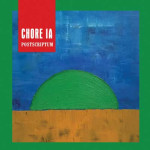
Jacek Wanat, also known as CHORE IA, delivers a hauntingly beautiful exploration of sound with his latest double album, "Postscriptum / Neogolizmowa". Released in collaboration with Antenna Non Grata, this project is a masterful blend of drone, ambient, and experimental electronics that challenges the listener to delve deep into its intricate layers.
"Postscriptum" kicks off with "I’m waiting for nothing to happen", a track that sets the stage with its meditative, almost anticipatory mood, with a title that ironically captures what is considered to theessence of ambient music, according to some listeners — its purpose is to be both something and nothing, existing in a liminal space (many attentive listeners will love that violin played as if it acts like the sinister laughing of a clown). It's also as if Wanat is inviting us to pause and reflect, a theme that continues throughout the album. The listener is gently coerced into a contemplative state, only to be jostled awake by the haunting undercurrents of drone. The true stars of this section are the two extended compositions: "I DIE / RESPIRATEUR" and "THEY SAY NOTHING / ILS SONT MORTS". These tracks, each approximately 17 minutes long, immerse the listener in dark, hypnotic soundscapes. They evoke a sense of foreboding reminiscent of Lovecraftian horror, making you feel as though you’re witnessing secretive, occult rituals in a decaying urban church.
In "Revers", Wanat explores the transient nature of thoughts and emotions with a shorter, yet equally compelling piece. The album closes its first part with "I’m raining", which, despite its melancholic undertone, offers a glimpse of hope and renewal. Wanat’s compositions here are not just music, but a form of sonic poetry, drawing the listener into a contemplative state.
The second disc, "Neogolizmowa" (firstly released on cassette in 1995), revisits Wanat’s earlier work with fresh material and previously unreleased tracks. The opening track "ccC" is a brief but intense introduction (the shouted lyrics over a syncopated drumming played over what sounds like the noisy ticking of an old alarm clock), leading into "walczyQ", which features a hypnotic rhythm that captures the listener's attention by a kind of desperately grotesque march. "Zamknite Drzwi: I DIE" (meaning "Closed Door: I DIE") stands out with its haunting interplay of cello and bass over a slightly nervous suspense, highlighting Wanat’s versatility as a visionary musician.
Tracks like "szturH" and "Mito" showcase Wanat’s experimental flair, their brevity leaving a lasting impact. Pieces such as "Wielblad" and "Ed" offer a playful contrast to the darker tones of "w kazdej dziurze s" (Polish for "there’s a hole in every hole") and "i raz jeszcze…. I DIE" (meaning "and once again... I DIE"), the latter providing a revisited perspective on themes from "Postscriptum".
The bonus tracks from recent years seamlessly blend with the earlier recordings, showcasing Wanat’s consistent artistic vision. The "Post Scriptum TRIPTYCH" tracks—"aa…", "jestem psem", and "tak ju mam" — serve as a fitting epilogue, merging old and new elements into a cohesive narrative.
The music almost contionuously evokes feelings of unease and discomfort. Attentive listeners cannot but praise Wanat for creating a subtly menacing and disturbingly peaceful sound that lingers with them, making it a challenging but rewarding experience for those who dare to explore it.
Wanat’s music transports the listener into a deeply personal and introspective world. His use of field recordings and unconventional sound objects, recorded both at home and in Studio CZAD, adds authenticity and intimacy to the compositions. The lyrics, when present, are in Polish, adding an additional layer of mystique and depth.
While comparisons to other dark-ambient (a really unfitting label for this artist, in spite of the stylistic analogy of some outputs) and experimental artists are inevitable, Wanat’s work stands out due to its raw emotional intensity and the seamless integration of various sonic elements. The ethereal and calm nature of the music is often juxtaposed with an underlying sense of menace and unease, creating a unique paradoxical listening experience that keeps you on edge.
This album is a must-listen for those who appreciate the art of sound and the beauty of introspection, offering a challenging yet deeply satisfying experience for the courageous listener.
"Postscriptum" kicks off with "I’m waiting for nothing to happen", a track that sets the stage with its meditative, almost anticipatory mood, with a title that ironically captures what is considered to theessence of ambient music, according to some listeners — its purpose is to be both something and nothing, existing in a liminal space (many attentive listeners will love that violin played as if it acts like the sinister laughing of a clown). It's also as if Wanat is inviting us to pause and reflect, a theme that continues throughout the album. The listener is gently coerced into a contemplative state, only to be jostled awake by the haunting undercurrents of drone. The true stars of this section are the two extended compositions: "I DIE / RESPIRATEUR" and "THEY SAY NOTHING / ILS SONT MORTS". These tracks, each approximately 17 minutes long, immerse the listener in dark, hypnotic soundscapes. They evoke a sense of foreboding reminiscent of Lovecraftian horror, making you feel as though you’re witnessing secretive, occult rituals in a decaying urban church.
In "Revers", Wanat explores the transient nature of thoughts and emotions with a shorter, yet equally compelling piece. The album closes its first part with "I’m raining", which, despite its melancholic undertone, offers a glimpse of hope and renewal. Wanat’s compositions here are not just music, but a form of sonic poetry, drawing the listener into a contemplative state.
The second disc, "Neogolizmowa" (firstly released on cassette in 1995), revisits Wanat’s earlier work with fresh material and previously unreleased tracks. The opening track "ccC" is a brief but intense introduction (the shouted lyrics over a syncopated drumming played over what sounds like the noisy ticking of an old alarm clock), leading into "walczyQ", which features a hypnotic rhythm that captures the listener's attention by a kind of desperately grotesque march. "Zamknite Drzwi: I DIE" (meaning "Closed Door: I DIE") stands out with its haunting interplay of cello and bass over a slightly nervous suspense, highlighting Wanat’s versatility as a visionary musician.
Tracks like "szturH" and "Mito" showcase Wanat’s experimental flair, their brevity leaving a lasting impact. Pieces such as "Wielblad" and "Ed" offer a playful contrast to the darker tones of "w kazdej dziurze s" (Polish for "there’s a hole in every hole") and "i raz jeszcze…. I DIE" (meaning "and once again... I DIE"), the latter providing a revisited perspective on themes from "Postscriptum".
The bonus tracks from recent years seamlessly blend with the earlier recordings, showcasing Wanat’s consistent artistic vision. The "Post Scriptum TRIPTYCH" tracks—"aa…", "jestem psem", and "tak ju mam" — serve as a fitting epilogue, merging old and new elements into a cohesive narrative.
The music almost contionuously evokes feelings of unease and discomfort. Attentive listeners cannot but praise Wanat for creating a subtly menacing and disturbingly peaceful sound that lingers with them, making it a challenging but rewarding experience for those who dare to explore it.
Wanat’s music transports the listener into a deeply personal and introspective world. His use of field recordings and unconventional sound objects, recorded both at home and in Studio CZAD, adds authenticity and intimacy to the compositions. The lyrics, when present, are in Polish, adding an additional layer of mystique and depth.
While comparisons to other dark-ambient (a really unfitting label for this artist, in spite of the stylistic analogy of some outputs) and experimental artists are inevitable, Wanat’s work stands out due to its raw emotional intensity and the seamless integration of various sonic elements. The ethereal and calm nature of the music is often juxtaposed with an underlying sense of menace and unease, creating a unique paradoxical listening experience that keeps you on edge.
This album is a must-listen for those who appreciate the art of sound and the beauty of introspection, offering a challenging yet deeply satisfying experience for the courageous listener.
Christian Marien Quartett: How Long Is Now
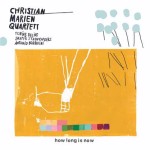
Artist: Christian Marien Quartett (@)
Title: How Long Is Now
Format: CD + Download
Label: MarMade Records
Rated:

Title: How Long Is Now
Format: CD + Download
Label: MarMade Records
Rated:
Christian Marien Quartett’s "How Long Is Now" is an album that embodies the very essence of time, a concept both elusive and omnipresent, much like the free jazz spirit this quartet channels. With a lineup that reads like a who’s who of avant-garde jazz luminaries—Tobias Delius on tenor saxophone and clarinet, Jasper Stadhouders on guitar and mandolin, Antonio Borghini on double bass, and Christian Marien on drums—this record promises, and delivers, a musical experience that is as intellectually stimulating as it is viscerally exciting.
The album opens with "40 Love / Goldrausch", a track that immediately sets the tone for the entire record. It’s a bold, uncompromising piece that oscillates between structured chaos and melodic introspection. The interplay between Delius’ saxophone and Stadhouders’ guitar is nothing short of mesmerizing, a dance of dissonance and harmony that feels both premeditated and entirely spontaneous.
"The Lobster" follows, a quirky title for a track that is anything but pedestrian. The piece is playful, almost whimsical, yet rooted in a complexity that reveals itself with each listen. Borghini’s double bass anchors the track, providing a foundation upon which Marien’s drums can weave their intricate patterns. It’s a masterclass in musical chemistry, a testament to the quartet’s ability to ‘breathe together,’ as Lynn René Bayley aptly puts it.
"Lilly / Doppelhertz" and "The Landing" are the album’s extended meditations, each over nine minutes long. Here, the quartet stretches out, exploring every nook and cranny of their improvisational capabilities. "Lilly / Doppelhertz" is particularly compelling, its duality suggesting a conversation between two distinct yet intertwined identities. "The Landing," on the other hand, feels like a journey—each instrument a different passenger, each note a step closer to an unknown destination.
"Phantome / Pouwl" and "28-4 / Pattersson Blues" continue this exploration, with a focus on groove and rhythm that is both ‘ausgetüftelt und aufgekratzt’ as Rigobert Dittmann notes. These tracks are a playground for Marien’s percussive creativity, his drums not just keeping time but creating it, molding it, bending it to the quartet’s collective will.
The album closes with "Deésse", a shorter, more contemplative piece that serves as a perfect coda to the preceding sonic adventures. It’s a reminder that even in the midst of chaos, there is beauty, and in the flurry of improvisation, there is purpose.
One cannot ignore the album’s lyrical quality, even in the absence of words. The titles, alluding to everyday objects and abstract concepts alike, hint at a deeper narrative. The choice of Polish lyrics adds an exotic, almost mystical layer to the music, making the listening experience akin to deciphering a beautiful, foreign language.
From a stylistic perspective, the vocals occasionally evoke a blend of 70s Italian prog rock and contemporary progressive jazz-rock, a curious yet delightful hybrid that adds an unexpected texture to the album.
In terms of production, the recording by Tito Knapp and the mixing/mastering by Martin Ruch ensure that every nuance of the quartet’s performance is captured with pristine clarity. The artwork by Danny Gretscher and photography by Oliver Potratz further enhance the album’s aesthetic appeal, making "How Long Is Now" not just a feast for the ears but for the eyes as well.
In conclusion, "How Long Is Now" is a triumph of modern jazz. It’s an album that defies easy categorization, much like the quartet itself. It’s playful, profound, chaotic, and serene all at once. For those who appreciate the art of improvisation and the thrill of musical exploration, this album is a must-listen. The Christian Marien Quartett has created something truly special here—an album that captures the essence of living in the moment, of finding joy in the unexpected, and of asking the eternal question: how long is now?
The album opens with "40 Love / Goldrausch", a track that immediately sets the tone for the entire record. It’s a bold, uncompromising piece that oscillates between structured chaos and melodic introspection. The interplay between Delius’ saxophone and Stadhouders’ guitar is nothing short of mesmerizing, a dance of dissonance and harmony that feels both premeditated and entirely spontaneous.
"The Lobster" follows, a quirky title for a track that is anything but pedestrian. The piece is playful, almost whimsical, yet rooted in a complexity that reveals itself with each listen. Borghini’s double bass anchors the track, providing a foundation upon which Marien’s drums can weave their intricate patterns. It’s a masterclass in musical chemistry, a testament to the quartet’s ability to ‘breathe together,’ as Lynn René Bayley aptly puts it.
"Lilly / Doppelhertz" and "The Landing" are the album’s extended meditations, each over nine minutes long. Here, the quartet stretches out, exploring every nook and cranny of their improvisational capabilities. "Lilly / Doppelhertz" is particularly compelling, its duality suggesting a conversation between two distinct yet intertwined identities. "The Landing," on the other hand, feels like a journey—each instrument a different passenger, each note a step closer to an unknown destination.
"Phantome / Pouwl" and "28-4 / Pattersson Blues" continue this exploration, with a focus on groove and rhythm that is both ‘ausgetüftelt und aufgekratzt’ as Rigobert Dittmann notes. These tracks are a playground for Marien’s percussive creativity, his drums not just keeping time but creating it, molding it, bending it to the quartet’s collective will.
The album closes with "Deésse", a shorter, more contemplative piece that serves as a perfect coda to the preceding sonic adventures. It’s a reminder that even in the midst of chaos, there is beauty, and in the flurry of improvisation, there is purpose.
One cannot ignore the album’s lyrical quality, even in the absence of words. The titles, alluding to everyday objects and abstract concepts alike, hint at a deeper narrative. The choice of Polish lyrics adds an exotic, almost mystical layer to the music, making the listening experience akin to deciphering a beautiful, foreign language.
From a stylistic perspective, the vocals occasionally evoke a blend of 70s Italian prog rock and contemporary progressive jazz-rock, a curious yet delightful hybrid that adds an unexpected texture to the album.
In terms of production, the recording by Tito Knapp and the mixing/mastering by Martin Ruch ensure that every nuance of the quartet’s performance is captured with pristine clarity. The artwork by Danny Gretscher and photography by Oliver Potratz further enhance the album’s aesthetic appeal, making "How Long Is Now" not just a feast for the ears but for the eyes as well.
In conclusion, "How Long Is Now" is a triumph of modern jazz. It’s an album that defies easy categorization, much like the quartet itself. It’s playful, profound, chaotic, and serene all at once. For those who appreciate the art of improvisation and the thrill of musical exploration, this album is a must-listen. The Christian Marien Quartett has created something truly special here—an album that captures the essence of living in the moment, of finding joy in the unexpected, and of asking the eternal question: how long is now?
Popsysze: E.T.R.
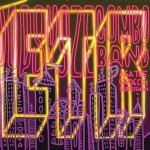
Popsysze, a Gdansk-base band that has consistently flirted with the boundaries of musical convention, returns with their latest live album, "E.T.R." — a title that, for the uninitiated, could evoke everything from alien abductions to extraterrestrial radio signals. However, the reality of this record is far more grounded yet no less thrilling. Recorded during the "Metropolia Jest Okey" event at the Studio of Radio Gdask, this album captures the trio's raw energy and experimental verve, bolstered by a stellar lineup of guest musicians.
The album kicks off with "Zapowied" (Polish for "Announcement"), a track that sets the tone with its intricate layering and improvisational flair. The inclusion of Tomek Gadecki on saxophone and Adam Skorczewski on trumpet infuses the album with a jazz-like spontaneity, while Aga Tre's vocals add an ethereal quality that elevates the band's sound to new heights.
"Soce" (meanign "Sun") follows, offering a sunlit melody that is both nostalgic and forward-looking. Here, Popsysze showcases their ability to reimagine their previous works, infusing them with fresh arrangements and a vibrant live energy. The transformation of these tracks, particularly those from their pivotal third album "Kopalino," is a testament to their growth and willingness to explore new sonic territories.
"W Samo Poudnie" ("At High Noon") and "Wieje Wiatr" ("The Wind Blows") are standout tracks that highlight the band's improvisational prowess. The former's mid-day lethargy is perfectly countered by the latter's wind-swept dynamism, creating a balanced auditory journey. "Atmosfera" (intuitively meaning "Atmosphere"), the album's longest track, clocks in at an epic 11:40. It's a sprawling, atmospheric piece that envelops the listener in its expansive soundscapes, echoing the free-form improvisations of bands like Can and Amon Düül II.
The inclusion of "Kasieka" ("Little Kate") and "Czerwone wiato" ("Red Light") brings a more structured approach, yet they are no less adventurous. The tracks are imbued with a richness and depth that reflect the band's maturity and their skill in blending the old with the new. "Latarnia" ("Lighthouse") serves as a guiding light, its lengthy runtime allowing for a deep dive into the band's intricate interplay and the guest musicians' contributions.
"All Song" closes the album on a high note, summarizing the band's journey with a sense of completeness and resolution. It's a fitting end to an album that not only revisits past glories but also points towards future explorations.
One notable aspect of "E.T.R." is its lyrical content, which is entirely in Polish. This choice not only roots the music in its cultural context but also adds an element of authenticity and intimacy. For non-Polish speakers, this might initially seem like a barrier, but it quickly becomes apparent that the emotional weight and expressive power of the music transcend language. The lyrics explore themes of nature, existential musings, and the human condition, adding layers of meaning to the already rich musical tapestry.
From a musical perspective, "E.T.R." is a masterclass in how to approach live recordings. Popsysze avoids the pitfall of merely replicating studio tracks note-for-note. Instead, they breathe new life into their compositions, offering a fresh perspective that is both invigorating and thought-provoking. The guest musicians enhance the core trio's sound without overshadowing it, adding layers and textures that make the live experience truly unique.
Popsysze's lineup—Jarosaw Marciszewski (electric and electroacoustic guitar, vocals), Sawomir Draczyski (bass guitar, electroacoustic guitar), and Jakub witek (drums, electronics, vocals)—is solid and cohesive. The additional contributions from Gadecki, Skorczewski, and Tre not only expand the sonic palette but also underscore the band's collaborative spirit. At times, Marciszewski's vocal style evokes a nostalgic echo of 70s Italian prog rock bands into my mind, intertwined with elements of contemporary progressive jazz-rock. This blend adds an unexpected and delightful dimension to their sound.
In conclusion, "E.T.R." is a triumph of live recording. It captures Popsysze at their best: innovative, daring, and unapologetically themselves. For those weary of formulaic live albums, "E.T.R." offers a refreshing alternative. It's an album that demands active listening and rewards those who are willing to engage with its intricate and often unpredictable soundscapes. Popsysze has proven once again that they are not just performers but artists in the truest sense, constantly evolving and redefining their craft. Keep doing what you do, Popsysze — you're setting the bar high for live recordings and showing us all how it's done.
The album kicks off with "Zapowied" (Polish for "Announcement"), a track that sets the tone with its intricate layering and improvisational flair. The inclusion of Tomek Gadecki on saxophone and Adam Skorczewski on trumpet infuses the album with a jazz-like spontaneity, while Aga Tre's vocals add an ethereal quality that elevates the band's sound to new heights.
"Soce" (meanign "Sun") follows, offering a sunlit melody that is both nostalgic and forward-looking. Here, Popsysze showcases their ability to reimagine their previous works, infusing them with fresh arrangements and a vibrant live energy. The transformation of these tracks, particularly those from their pivotal third album "Kopalino," is a testament to their growth and willingness to explore new sonic territories.
"W Samo Poudnie" ("At High Noon") and "Wieje Wiatr" ("The Wind Blows") are standout tracks that highlight the band's improvisational prowess. The former's mid-day lethargy is perfectly countered by the latter's wind-swept dynamism, creating a balanced auditory journey. "Atmosfera" (intuitively meaning "Atmosphere"), the album's longest track, clocks in at an epic 11:40. It's a sprawling, atmospheric piece that envelops the listener in its expansive soundscapes, echoing the free-form improvisations of bands like Can and Amon Düül II.
The inclusion of "Kasieka" ("Little Kate") and "Czerwone wiato" ("Red Light") brings a more structured approach, yet they are no less adventurous. The tracks are imbued with a richness and depth that reflect the band's maturity and their skill in blending the old with the new. "Latarnia" ("Lighthouse") serves as a guiding light, its lengthy runtime allowing for a deep dive into the band's intricate interplay and the guest musicians' contributions.
"All Song" closes the album on a high note, summarizing the band's journey with a sense of completeness and resolution. It's a fitting end to an album that not only revisits past glories but also points towards future explorations.
One notable aspect of "E.T.R." is its lyrical content, which is entirely in Polish. This choice not only roots the music in its cultural context but also adds an element of authenticity and intimacy. For non-Polish speakers, this might initially seem like a barrier, but it quickly becomes apparent that the emotional weight and expressive power of the music transcend language. The lyrics explore themes of nature, existential musings, and the human condition, adding layers of meaning to the already rich musical tapestry.
From a musical perspective, "E.T.R." is a masterclass in how to approach live recordings. Popsysze avoids the pitfall of merely replicating studio tracks note-for-note. Instead, they breathe new life into their compositions, offering a fresh perspective that is both invigorating and thought-provoking. The guest musicians enhance the core trio's sound without overshadowing it, adding layers and textures that make the live experience truly unique.
Popsysze's lineup—Jarosaw Marciszewski (electric and electroacoustic guitar, vocals), Sawomir Draczyski (bass guitar, electroacoustic guitar), and Jakub witek (drums, electronics, vocals)—is solid and cohesive. The additional contributions from Gadecki, Skorczewski, and Tre not only expand the sonic palette but also underscore the band's collaborative spirit. At times, Marciszewski's vocal style evokes a nostalgic echo of 70s Italian prog rock bands into my mind, intertwined with elements of contemporary progressive jazz-rock. This blend adds an unexpected and delightful dimension to their sound.
In conclusion, "E.T.R." is a triumph of live recording. It captures Popsysze at their best: innovative, daring, and unapologetically themselves. For those weary of formulaic live albums, "E.T.R." offers a refreshing alternative. It's an album that demands active listening and rewards those who are willing to engage with its intricate and often unpredictable soundscapes. Popsysze has proven once again that they are not just performers but artists in the truest sense, constantly evolving and redefining their craft. Keep doing what you do, Popsysze — you're setting the bar high for live recordings and showing us all how it's done.
Maeror Tri: Ambient Dreams
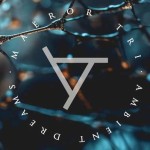
Artist: Maeror Tri
Title: Ambient Dreams
Format: CD + Download
Label: Zoharum (http://zoharum.com/) (@)
Rated:
Title: Ambient Dreams
Format: CD + Download
Label: Zoharum (http://zoharum.com/) (@)
Rated:
In the often crowded realm of ambient music (even if here we're close to that avant-garde/industrial-spotted stuff that is often filed under dark ambient), Maeror Tri's "Ambient Dreams" stands as a testament to the raw power of natural soundscapes. Originally released on cassette in 1990, then reissued in 2007 by Beta Lactam, this album, now reissued by Zoharum with refreshed graphics, remains an unpolished gem in the genre. The German trio’s commitment to using only natural ambient sources — eschewing electronic sound entirely — sets this work apart from the synthetic saturation of modern dark ambient music.
Opening with "Window to the Absolute", the album immediately immerses the listener in an environment that feels both expansive and intimate. The natural origins of the sounds lend an authenticity that’s almost regularly missing in contemporary ambient works. "New Language" continues this trend, weaving a tapestry of auditory experiences that feel almost tactile in their richness.
"Voices on My Skin" and "Piano Bursting Soul" are particularly evocative, the former enveloping the listener in a cocoon of whispers and murmurs, while the latter evokes a more introspective and melancholic atmosphere. The soundscapes are meticulously crafted, reminiscent of the field recording prowess of Chris Watson, yet imbued with a distinctively Germanic sense of precision and order.
Tracks like "Disintegrating Time" and "Amputation" explore darker, more unsettling territories. Here, the influence of industrial pioneers like Zoviet France and early Nurse With Wound is palpable, yet Maeror Tri managed to carve out their own niche, balancing the harsh with the serene and forging stuff that could literally described as cerebral music. "Waves Without Gravitation" and "Flickering World" stand out as the album’s epicenters, each exceeding six minutes and offering a deep dive into the interplay of natural acoustics and structured ambient compositions.
"Bells of Unknown Dreams" and "Sanctified Frequencies" close the album on a hauntingly beautiful note, blending organic sounds with an almost ritualistic sense of rhythm and melody. These tracks are a perfect encapsulation of the trio’s ability to find the extraordinary in the ordinary, transforming everyday noises into a symphonic and often disquieting (often close to nightmares than dreams) experience.
Maeror Tri's "Ambient Dreams" is not just a reissue but a rediscovery of a unique voice in their cryptic stylistic niche. For anyone weary of the overly synthetic direction ambient music frequently takes, Maeror Tri offers a much-needed breath of fresh air—literally and figuratively.
The reissue by Zoharum comes as a polished, refreshed version that pays homage to its origins while presenting it to a new audience. This version not only features remastered tracks but also includes new graphics, enhancing the overall experience and making it a collector’s item.
Opening with "Window to the Absolute", the album immediately immerses the listener in an environment that feels both expansive and intimate. The natural origins of the sounds lend an authenticity that’s almost regularly missing in contemporary ambient works. "New Language" continues this trend, weaving a tapestry of auditory experiences that feel almost tactile in their richness.
"Voices on My Skin" and "Piano Bursting Soul" are particularly evocative, the former enveloping the listener in a cocoon of whispers and murmurs, while the latter evokes a more introspective and melancholic atmosphere. The soundscapes are meticulously crafted, reminiscent of the field recording prowess of Chris Watson, yet imbued with a distinctively Germanic sense of precision and order.
Tracks like "Disintegrating Time" and "Amputation" explore darker, more unsettling territories. Here, the influence of industrial pioneers like Zoviet France and early Nurse With Wound is palpable, yet Maeror Tri managed to carve out their own niche, balancing the harsh with the serene and forging stuff that could literally described as cerebral music. "Waves Without Gravitation" and "Flickering World" stand out as the album’s epicenters, each exceeding six minutes and offering a deep dive into the interplay of natural acoustics and structured ambient compositions.
"Bells of Unknown Dreams" and "Sanctified Frequencies" close the album on a hauntingly beautiful note, blending organic sounds with an almost ritualistic sense of rhythm and melody. These tracks are a perfect encapsulation of the trio’s ability to find the extraordinary in the ordinary, transforming everyday noises into a symphonic and often disquieting (often close to nightmares than dreams) experience.
Maeror Tri's "Ambient Dreams" is not just a reissue but a rediscovery of a unique voice in their cryptic stylistic niche. For anyone weary of the overly synthetic direction ambient music frequently takes, Maeror Tri offers a much-needed breath of fresh air—literally and figuratively.
The reissue by Zoharum comes as a polished, refreshed version that pays homage to its origins while presenting it to a new audience. This version not only features remastered tracks but also includes new graphics, enhancing the overall experience and making it a collector’s item.
Rafal Kolacki: Mowa Tworzenia
Artist: Rafal Kolacki
Title: Mowa Tworzenia
Format: CD + Download
Label: Zoharum (http://zoharum.com/) (@)
Rated:

Title: Mowa Tworzenia
Format: CD + Download
Label: Zoharum (http://zoharum.com/) (@)
Rated:
Rafal Kolacki, a stalwart of the avant-garde music scene, returns with "Mowa Tworzenia" ("Speech of Creation"), a masterful exploration of sound and texture. Known for his work with HATI, Innercity Ensemble, Molok Mun, and Mammoth Ulthana, Kolacki delves deep into the realm of post-industrial soundscapes, interweaving field recordings and percussive elements to create a haunting auditory experience.
The album opens with "Kobiety Dloni" ("Women of Hands"), setting the tone with its delicate interplay of natural sounds and synthetic echoes. It’s as if the listener is transported to a primeval landscape, where the elemental meets the ethereal. "Szept Kamiennego Wiatru" ("Whisper of the Stone Wind") is a brief yet impactful piece, evoking the eerie silence of an ancient, wind-swept desert.
Kolacki’s use of field recordings is particularly noteworthy. His ability to transform everyday environmental sounds into something otherworldly is reminiscent of Francisco López, yet he avoids the latter's tendency towards abstraction for abstraction's sake. Instead, Kolacki grounds his compositions in a tangible sense of place and history. The track "Dziewiec Kocich Zywiolów" ("Nine Cat Elements") exemplifies this, with its intricate layering of sounds that suggests a hidden world just beneath the surface of the mundane.
The album’s central theme, as noted in a review by Anxious Magazine, revolves around the mystical and practical allure of stones. This theme is not only conceptual but also deeply sonic, as most of the source for sounds derives from hit stones or percussive elements, that according to the author's words could recall this natural element. For instance tracks like "Bazahr" and "Akmuo" feature percussive elements that mimic the resonance of stones, creating a tactile and enjoyable auditory experience. The minimalist motifs and looped structures echo the works of Asmus Tietchens, yet Kolacki infuses them with a unique vitality and sense of motion.
"Omphalos" stands out as a sonic meditation on the life force of minerals, diverging from the album's overall focus on physicality to explore the metaphysical. It’s a moment of introspection that invites the listener to consider the silent, enduring presence of the earth's core.
Critics have had mixed reactions. Some appreciate the album's deep, evocative qualities and the way it pushes the listener to reinterpret the sounds continuously. On the flip side, other reviewers find the album's abstractness a bit too disjointed, highlighting the frustration that can come from its formlessness. This sentiment echoes a broader challenge within the genre—striking the right balance between abstraction and coherence. Kolacki’s work stands in stark contrast to more traditional or structured forms of music. If you're accustomed to the cacophony of harsh noise or the dark, brooding landscapes of dark ambient, *Mowa Tworzenia* might seem like an enigmatic puzzle. However, for those willing to delve into its depths, it offers a rich, if somewhat perplexing, tapestry of sound.
In "Mowa Tworzenia", Kolacki has crafted an album that is as intellectually stimulating as it is sonically engaging. It’s a work that demands active listening, rewarding those who are willing to dive deep into its rich textures and subtle details. For fans of post-industrial and experimental music, this album is a must-listen, offering a fresh perspective on the potential of sound to convey both the seen and unseen.
The album opens with "Kobiety Dloni" ("Women of Hands"), setting the tone with its delicate interplay of natural sounds and synthetic echoes. It’s as if the listener is transported to a primeval landscape, where the elemental meets the ethereal. "Szept Kamiennego Wiatru" ("Whisper of the Stone Wind") is a brief yet impactful piece, evoking the eerie silence of an ancient, wind-swept desert.
Kolacki’s use of field recordings is particularly noteworthy. His ability to transform everyday environmental sounds into something otherworldly is reminiscent of Francisco López, yet he avoids the latter's tendency towards abstraction for abstraction's sake. Instead, Kolacki grounds his compositions in a tangible sense of place and history. The track "Dziewiec Kocich Zywiolów" ("Nine Cat Elements") exemplifies this, with its intricate layering of sounds that suggests a hidden world just beneath the surface of the mundane.
The album’s central theme, as noted in a review by Anxious Magazine, revolves around the mystical and practical allure of stones. This theme is not only conceptual but also deeply sonic, as most of the source for sounds derives from hit stones or percussive elements, that according to the author's words could recall this natural element. For instance tracks like "Bazahr" and "Akmuo" feature percussive elements that mimic the resonance of stones, creating a tactile and enjoyable auditory experience. The minimalist motifs and looped structures echo the works of Asmus Tietchens, yet Kolacki infuses them with a unique vitality and sense of motion.
"Omphalos" stands out as a sonic meditation on the life force of minerals, diverging from the album's overall focus on physicality to explore the metaphysical. It’s a moment of introspection that invites the listener to consider the silent, enduring presence of the earth's core.
Critics have had mixed reactions. Some appreciate the album's deep, evocative qualities and the way it pushes the listener to reinterpret the sounds continuously. On the flip side, other reviewers find the album's abstractness a bit too disjointed, highlighting the frustration that can come from its formlessness. This sentiment echoes a broader challenge within the genre—striking the right balance between abstraction and coherence. Kolacki’s work stands in stark contrast to more traditional or structured forms of music. If you're accustomed to the cacophony of harsh noise or the dark, brooding landscapes of dark ambient, *Mowa Tworzenia* might seem like an enigmatic puzzle. However, for those willing to delve into its depths, it offers a rich, if somewhat perplexing, tapestry of sound.
In "Mowa Tworzenia", Kolacki has crafted an album that is as intellectually stimulating as it is sonically engaging. It’s a work that demands active listening, rewarding those who are willing to dive deep into its rich textures and subtle details. For fans of post-industrial and experimental music, this album is a must-listen, offering a fresh perspective on the potential of sound to convey both the seen and unseen.