
Browse by Genre
Industrial Music / Industrial Metal / Aggro Industrial / Electro Metal
Industrial Noise / Power Noise / Harsh Noise
Synth Pop / Electro Pop / Synth-Electronica
Techno / Trance / Goa / Drum'n'Bass / Jungle / Tribal / Trip-Hop
Ambient / Electronica / Ethereal / Dub / Soundscapes / Abstract
Experimental / Avantgarde / Weird & Wired / Glitch / Noise / Field Recording
Dark / Gothic / Wave / New Wave / Dark Wave / Industrial Gothic
New Music / Downtown / Avantgarde Jazz / New Classical / World
Search Reviews
Music Reviews
Angel Attack: New Frontiers EP
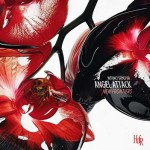
Artist: Angel Attack
Title: New Frontiers EP
Format: Download Only (MP3 only)
Label: House of Reptile
Rated:


Title: New Frontiers EP
Format: Download Only (MP3 only)
Label: House of Reptile
Rated:
With "New Frontiers", Angel Attack doesn’t just inch forward — he leaps, bounds, and hurtles into a realm that is as much a nod to the techno and electro titans of yesteryear as it is a bold declaration of his own musical identity. This EP, the latest offering from the Boston-based producer, is a densely packed exploration of sonic territory where the boundaries are constantly shifting, and where dancefloor transcendence isn’t just a goal—it’s an inevitability.
Right from the opener, "Delay Decay", Angel Attack sets the tone with a track that feels like an homage to the gritty, industrial underbelly of Detroit techno, yet with a distinct twist. The pads swell with a kind of melancholic urgency, while the drums hit with a visceral punch that’s both gnarly and cathartic. The vocals, buried deep within the mix, add a layer of mystique, as if they’re beckoning you further into the fog. It’s a fitting introduction to the EP, signaling a new chapter in Angel Attack’s evolving narrative—one that’s as gritty as it is immersive.
"Grounding" takes the reins from there, driving the tempo up a notch and plunging us into a UK breaks-meets-electro hybrid that’s both frenetic and controlled. Here, Angel Attack’s penchant for cinematic flair comes to the fore, with complex off-beat drums and stinging claps that provide the backbone for a track that feels tailor-made for peak-time chaos. There’s an emotional resonance woven through the beats, a sense that this isn’t just music for the feet, but for the heart as well — a rare feat in the often mechanical world of club tracks.
But it’s with "Sharpening" that Angel Attack truly flexes his darker, moodier muscles. This is a track for the witching hour, when the dancefloor is at its most primal. Whispery vocals hover like ghosts over haunting atmospheres, while the bassline thrums ominously beneath, driving the dancers deeper into a shadowy, almost otherworldly space. It’s a track that speaks to the producer’s ability to conjure a specific, almost tactile atmosphere—one where you can practically feel the smoke in the air and the sweat on your skin.
"Silent Moon" shifts gears yet again, diving into raw, unrelenting techno with a pace that’s downright relentless. At 143 BPM, it’s the fastest cut on the EP, and it doesn’t waste a single second. Galloping drums and eerie, dystopian chords create a sense of urgency that’s both exhilarating and a little unnerving. This is Angel Attack at his most direct, his most visceral—stripped of any pretense, just pure, unadulterated energy that propels you forward whether you’re ready or not.
Finally, the EP closes with "Vortex", a track that feels like the sonic equivalent of a funhouse mirror. It’s an oddball mix of swooshing soundscapes, glitchy effects, and bleepy melodies that shouldn’t work together — and yet, somehow, they do. There’s a controlled chaos here, a sense that the track is constantly teetering on the edge of something dangerous, yet never quite tipping over. It’s a fitting end to an EP that thrives on the unexpected, on the thrill of exploring uncharted territory.
"New Frontiers" is more than just a collection of tracks — it’s a kind of statement. Angel Attack proves that he’s not just following the trends; he’s setting them, or better yet, ignoring them entirely in favor of something more personal, more authentic. The EP is a journey through sound, one that’s as much about the past as it is about the future. It’s dark, it’s moody, it’s intricate — and above all, it’s undeniably fresh. For anyone looking to be bewitched on the dancefloor in 2024, Angel Attack has provided the perfect soundtrack.
Right from the opener, "Delay Decay", Angel Attack sets the tone with a track that feels like an homage to the gritty, industrial underbelly of Detroit techno, yet with a distinct twist. The pads swell with a kind of melancholic urgency, while the drums hit with a visceral punch that’s both gnarly and cathartic. The vocals, buried deep within the mix, add a layer of mystique, as if they’re beckoning you further into the fog. It’s a fitting introduction to the EP, signaling a new chapter in Angel Attack’s evolving narrative—one that’s as gritty as it is immersive.
"Grounding" takes the reins from there, driving the tempo up a notch and plunging us into a UK breaks-meets-electro hybrid that’s both frenetic and controlled. Here, Angel Attack’s penchant for cinematic flair comes to the fore, with complex off-beat drums and stinging claps that provide the backbone for a track that feels tailor-made for peak-time chaos. There’s an emotional resonance woven through the beats, a sense that this isn’t just music for the feet, but for the heart as well — a rare feat in the often mechanical world of club tracks.
But it’s with "Sharpening" that Angel Attack truly flexes his darker, moodier muscles. This is a track for the witching hour, when the dancefloor is at its most primal. Whispery vocals hover like ghosts over haunting atmospheres, while the bassline thrums ominously beneath, driving the dancers deeper into a shadowy, almost otherworldly space. It’s a track that speaks to the producer’s ability to conjure a specific, almost tactile atmosphere—one where you can practically feel the smoke in the air and the sweat on your skin.
"Silent Moon" shifts gears yet again, diving into raw, unrelenting techno with a pace that’s downright relentless. At 143 BPM, it’s the fastest cut on the EP, and it doesn’t waste a single second. Galloping drums and eerie, dystopian chords create a sense of urgency that’s both exhilarating and a little unnerving. This is Angel Attack at his most direct, his most visceral—stripped of any pretense, just pure, unadulterated energy that propels you forward whether you’re ready or not.
Finally, the EP closes with "Vortex", a track that feels like the sonic equivalent of a funhouse mirror. It’s an oddball mix of swooshing soundscapes, glitchy effects, and bleepy melodies that shouldn’t work together — and yet, somehow, they do. There’s a controlled chaos here, a sense that the track is constantly teetering on the edge of something dangerous, yet never quite tipping over. It’s a fitting end to an EP that thrives on the unexpected, on the thrill of exploring uncharted territory.
"New Frontiers" is more than just a collection of tracks — it’s a kind of statement. Angel Attack proves that he’s not just following the trends; he’s setting them, or better yet, ignoring them entirely in favor of something more personal, more authentic. The EP is a journey through sound, one that’s as much about the past as it is about the future. It’s dark, it’s moody, it’s intricate — and above all, it’s undeniably fresh. For anyone looking to be bewitched on the dancefloor in 2024, Angel Attack has provided the perfect soundtrack.
Pietro Zollo: Fragmented Patterns

Artist: Pietro Zollo
Title: Fragmented Patterns
Format: Download Only (MP3 + Lossless)
Label: Projekt (@)
Rated:
Title: Fragmented Patterns
Format: Download Only (MP3 + Lossless)
Label: Projekt (@)
Rated:
Pietro Zollo’s "Fragmented Patterns" is the kind of album that demands your attention — and then, almost mockingly, dares you to listen too closely. The Italian sound artist’s latest release on Projekt Records is a delicate dance between simplicity and complexity, a masterclass in how to make minimalism feel both intimate and expansive. It’s the kind of music that thrives in the gaps between thoughts, where silence isn’t just golden — it’s practically close to sacred.
From the outset, with the track "Observation", Zollo establishes a clear aesthetic: looping piano patterns that refuse to be interrupted, as if they’re caught in an endless meditation, spiraling inwards while simultaneously expanding outwards. The effect is hypnotic, but not in the way you might expect from ambient music. Instead of lulling you into a sense of peace, Zollo’s loops provoke a gentle unease, a sense that something crucial is being said just beyond the reach of your conscious mind. You’re invited to lean in, to listen more closely, but the music keeps you at arm’s length, revealing just enough to keep you captivated without ever letting you grasp the whole.
“Reflection” stretches this tension even further, nearly ten minutes of delicate repetition that evolves so subtly you might not notice the changes at first. It’s here that Zollo’s artistry shines — there’s a kind of emotional sleight of hand at play, where you think you’re listening to the same thing over and over, only to realize that everything has shifted, and you’re now in a completely different place, both musically and emotionally. It’s the musical equivalent of watching a sunset, where the colors change so gradually that the sky is suddenly on fire, and you wonder how you didn’t see it coming.
Zollo’s approach draws inevitable comparisons to artists like William Basinski, whose "Disintegration Loops" similarly mined the depths of repetition and decay. Yet, where Basinski’s work is suffused with a sense of loss and impermanence, Zollo’s "Fragmented Patterns" feels more like a meditation on potential—the fragments of melody and sound don’t disintegrate so much as they evolve, suggesting new directions and possibilities with every loop. There’s a sense of unfinished business here, a feeling that these patterns could go on forever, constantly revealing new layers if only you had the time (and the patience) to listen.
The middle tracks — "Introspection", "Emotion" and "Imagination" — offer more of the same, yet Zollo somehow keeps the experience from becoming monotonous. Perhaps it’s his uncanny ability to weave in textures that are both “clean” and “strident”, as he describes it, creating a tension that feels almost like a conversation between different aspects of the self. In these moments, the music becomes deeply personal, even vulnerable, as if Zollo is sharing a private diary written in sound. The track titles may be generic, but the emotions they evoke are anything but.
By the time we reach "Transformation", the album’s closing piece, there’s a sense of longing that permeates the music. It’s as if Zollo has been leading us on a journey towards some kind of epiphany, only to leave us just shy of the finish line. The patterns are still there, still looping, still hinting at something just out of reach, but the transformation remains elusive—a reminder that some journeys are meant to be experienced, not completed. It’s a fitting end to an album that is as much about what’s left unsaid as it is about the sounds you actually hear.
In "Fragmented Patterns", Zollo has created an album that is both deeply introspective and endlessly intriguing. It’s the kind of record that reveals new secrets with every listen, provided you have the patience to sit with it, to let the loops work their magic. It’s not an album for everyone—those looking for immediate gratification or easy resolutions will likely be frustrated by its deliberate pace and understated melodies. But for those willing to engage with it on its own terms, "Fragmented Patterns" offers a richly rewarding experience, a journey into the heart of minimalism where every note, every silence, every loop is laden with meaning.
Pietro Zollo may be working with simple tools—pianos, loops, fragments of sound—but what he’s created here is nothing short of a masterpiece. Or at the very least, it’s a reminder that sometimes the most profound experiences come from the simplest of means. And isn’t that a pattern worth repeating?
From the outset, with the track "Observation", Zollo establishes a clear aesthetic: looping piano patterns that refuse to be interrupted, as if they’re caught in an endless meditation, spiraling inwards while simultaneously expanding outwards. The effect is hypnotic, but not in the way you might expect from ambient music. Instead of lulling you into a sense of peace, Zollo’s loops provoke a gentle unease, a sense that something crucial is being said just beyond the reach of your conscious mind. You’re invited to lean in, to listen more closely, but the music keeps you at arm’s length, revealing just enough to keep you captivated without ever letting you grasp the whole.
“Reflection” stretches this tension even further, nearly ten minutes of delicate repetition that evolves so subtly you might not notice the changes at first. It’s here that Zollo’s artistry shines — there’s a kind of emotional sleight of hand at play, where you think you’re listening to the same thing over and over, only to realize that everything has shifted, and you’re now in a completely different place, both musically and emotionally. It’s the musical equivalent of watching a sunset, where the colors change so gradually that the sky is suddenly on fire, and you wonder how you didn’t see it coming.
Zollo’s approach draws inevitable comparisons to artists like William Basinski, whose "Disintegration Loops" similarly mined the depths of repetition and decay. Yet, where Basinski’s work is suffused with a sense of loss and impermanence, Zollo’s "Fragmented Patterns" feels more like a meditation on potential—the fragments of melody and sound don’t disintegrate so much as they evolve, suggesting new directions and possibilities with every loop. There’s a sense of unfinished business here, a feeling that these patterns could go on forever, constantly revealing new layers if only you had the time (and the patience) to listen.
The middle tracks — "Introspection", "Emotion" and "Imagination" — offer more of the same, yet Zollo somehow keeps the experience from becoming monotonous. Perhaps it’s his uncanny ability to weave in textures that are both “clean” and “strident”, as he describes it, creating a tension that feels almost like a conversation between different aspects of the self. In these moments, the music becomes deeply personal, even vulnerable, as if Zollo is sharing a private diary written in sound. The track titles may be generic, but the emotions they evoke are anything but.
By the time we reach "Transformation", the album’s closing piece, there’s a sense of longing that permeates the music. It’s as if Zollo has been leading us on a journey towards some kind of epiphany, only to leave us just shy of the finish line. The patterns are still there, still looping, still hinting at something just out of reach, but the transformation remains elusive—a reminder that some journeys are meant to be experienced, not completed. It’s a fitting end to an album that is as much about what’s left unsaid as it is about the sounds you actually hear.
In "Fragmented Patterns", Zollo has created an album that is both deeply introspective and endlessly intriguing. It’s the kind of record that reveals new secrets with every listen, provided you have the patience to sit with it, to let the loops work their magic. It’s not an album for everyone—those looking for immediate gratification or easy resolutions will likely be frustrated by its deliberate pace and understated melodies. But for those willing to engage with it on its own terms, "Fragmented Patterns" offers a richly rewarding experience, a journey into the heart of minimalism where every note, every silence, every loop is laden with meaning.
Pietro Zollo may be working with simple tools—pianos, loops, fragments of sound—but what he’s created here is nothing short of a masterpiece. Or at the very least, it’s a reminder that sometimes the most profound experiences come from the simplest of means. And isn’t that a pattern worth repeating?
Erik W?llo: Crossing The Equator
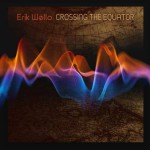
Artist: Erik W?llo (@)
Title: Crossing The Equator
Format: Download Only (MP3 + Lossless)
Label: Projekt (@)
Rated:
Title: Crossing The Equator
Format: Download Only (MP3 + Lossless)
Label: Projekt (@)
Rated:
In the vast, oftentimes overwhelming sea of ambient music, where one can easily drown in a deluge of drones and synth washes, Erik Wøllo’s "Crossing the Equator" offers a life raft. But let’s be clear—this isn’t the kind of life raft that merely keeps you afloat. This is a finely crafted vessel, delicately yet firmly guiding you across tranquil waters, offering moments of reflection, peace, and, dare I say, genuine beauty.
Wøllo, a seasoned ambient craftsman, doesn’t just create music—he sculpts soundscapes. In "Crossing the Equator", he draws upon his impressive arsenal of electric guitars, looping pedals, and synthesizers to create a work that is at once intimate and expansive. The album’s eight tracks are like sonic postcards from another world, each inviting you to pause, listen, and perhaps even lose yourself for a while.
The opener, "Innerland", serves as the perfect introduction. Here, Wøllo lays down shimmering guitar loops that gradually unfurl like morning mist over a serene landscape. There’s a simplicity to the composition, a kind of understated elegance that is refreshing in a genre often prone to indulgence. It’s like Wøllo is saying, "Come in, the water’s fine", and you can’t help but wade in, carried along by the gentle current of his sound.
The title track, "Equator", follows and is perhaps the album’s most ambitious piece. At over seven minutes, it’s a slow burn, building layer upon layer of looping guitar and soft, almost imperceptible synth pulses. There’s a hypnotic quality to it, a sense of crossing an invisible boundary where the familiar gives way to the unknown. The title suggests a division, a crossing from one side to the other, and the music mirrors this transition with its evolving textures and shifting moods. It’s a journey in every sense of the word, a reminder that the best ambient music isn’t just something you hear—it’s something you experience.
"Beyond the Sea" continues this exploratory theme, with its aquatic undertones and gentle rhythms. It’s here that Wøllo’s talent for creating atmosphere really shines. The track is like a deep-sea dive, where light and shadow play across the surface, and the world above seems to drift further and further away. There’s a subtle melancholy to it, a wistfulness that evokes the vastness of the ocean and the smallness of the self.
The middle of the album, with tracks like "Then Now" and "Blackstar", showcases Wøllo’s skill in balancing simplicity with complexity. "Then Now" is built around a repetitive guitar motif, but it never feels static. Instead, Wøllo deftly weaves in synth textures and percussive elements that keep the listener engaged. It’s a masterclass in how to create something that feels both minimal and richly detailed at the same time. "Blackstar", on the other hand, dips into slightly darker territory, with a brooding, almost cinematic quality that hints at the vast emptiness of space—another equator of sorts, separating us from the unknown beyond.
"The Falcon" and "Water's Edge" bring the album’s themes back to earth, with more grounded, organic sounds. There’s a sense of closure here, of coming full circle. The tracks feel like the calm after the storm, a return to familiar territory after a long and sometimes challenging journey. Yet, they also carry with them the weight of what’s been discovered along the way.
Finally, "Celestial Sphere" closes the album with a gentle, almost ethereal farewell. It’s a fitting end, a reminder that even as we cross boundaries and explore new territories, there is always something that connects us to the infinite. The track drifts away like a whisper, leaving behind a sense of peace and fulfillment — a rare gift in today’s fast-paced, hyper-stimulated world.
"Crossing the Equator" is an album that, while modest in its aims, achieves something quite extraordinary. It’s a quiet triumph, a work of subtle beauty that doesn’t need to shout to be heard. Erik Wøllo has once again proven that ambient music, in the right hands, can be a powerful tool for introspection and emotional connection. This is an album that will resonate with fans of the genre and newcomers alike — assuming, of course, they’re willing to listen closely and let the music take them where it will.
But then again, with Wøllo at the helm, you’re in very good hands.
Wøllo, a seasoned ambient craftsman, doesn’t just create music—he sculpts soundscapes. In "Crossing the Equator", he draws upon his impressive arsenal of electric guitars, looping pedals, and synthesizers to create a work that is at once intimate and expansive. The album’s eight tracks are like sonic postcards from another world, each inviting you to pause, listen, and perhaps even lose yourself for a while.
The opener, "Innerland", serves as the perfect introduction. Here, Wøllo lays down shimmering guitar loops that gradually unfurl like morning mist over a serene landscape. There’s a simplicity to the composition, a kind of understated elegance that is refreshing in a genre often prone to indulgence. It’s like Wøllo is saying, "Come in, the water’s fine", and you can’t help but wade in, carried along by the gentle current of his sound.
The title track, "Equator", follows and is perhaps the album’s most ambitious piece. At over seven minutes, it’s a slow burn, building layer upon layer of looping guitar and soft, almost imperceptible synth pulses. There’s a hypnotic quality to it, a sense of crossing an invisible boundary where the familiar gives way to the unknown. The title suggests a division, a crossing from one side to the other, and the music mirrors this transition with its evolving textures and shifting moods. It’s a journey in every sense of the word, a reminder that the best ambient music isn’t just something you hear—it’s something you experience.
"Beyond the Sea" continues this exploratory theme, with its aquatic undertones and gentle rhythms. It’s here that Wøllo’s talent for creating atmosphere really shines. The track is like a deep-sea dive, where light and shadow play across the surface, and the world above seems to drift further and further away. There’s a subtle melancholy to it, a wistfulness that evokes the vastness of the ocean and the smallness of the self.
The middle of the album, with tracks like "Then Now" and "Blackstar", showcases Wøllo’s skill in balancing simplicity with complexity. "Then Now" is built around a repetitive guitar motif, but it never feels static. Instead, Wøllo deftly weaves in synth textures and percussive elements that keep the listener engaged. It’s a masterclass in how to create something that feels both minimal and richly detailed at the same time. "Blackstar", on the other hand, dips into slightly darker territory, with a brooding, almost cinematic quality that hints at the vast emptiness of space—another equator of sorts, separating us from the unknown beyond.
"The Falcon" and "Water's Edge" bring the album’s themes back to earth, with more grounded, organic sounds. There’s a sense of closure here, of coming full circle. The tracks feel like the calm after the storm, a return to familiar territory after a long and sometimes challenging journey. Yet, they also carry with them the weight of what’s been discovered along the way.
Finally, "Celestial Sphere" closes the album with a gentle, almost ethereal farewell. It’s a fitting end, a reminder that even as we cross boundaries and explore new territories, there is always something that connects us to the infinite. The track drifts away like a whisper, leaving behind a sense of peace and fulfillment — a rare gift in today’s fast-paced, hyper-stimulated world.
"Crossing the Equator" is an album that, while modest in its aims, achieves something quite extraordinary. It’s a quiet triumph, a work of subtle beauty that doesn’t need to shout to be heard. Erik Wøllo has once again proven that ambient music, in the right hands, can be a powerful tool for introspection and emotional connection. This is an album that will resonate with fans of the genre and newcomers alike — assuming, of course, they’re willing to listen closely and let the music take them where it will.
But then again, with Wøllo at the helm, you’re in very good hands.
Francisco Meirino: A Perpetual Host
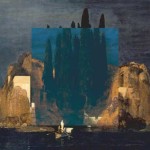
Artist: Francisco Meirino (@)
Title: A Perpetual Host
Format: CD
Label: Misanthropic Agenda (@)
Rated:
Title: A Perpetual Host
Format: CD
Label: Misanthropic Agenda (@)
Rated:
Francisco Meirino’s "A Perpetual Host" is not an album that coddles the listener. It doesn’t beckon you in with soothing melodies or gently ease you into its sonic universe. Instead, it drops you into a meticulously constructed, often abrasive landscape where every sound feels both alien and unnervingly familiar, like the static-filled remnants of a half-remembered dream. This is Meirino’s fourth solo studio album on Misanthropic Agenda, and it showcases his ability to turn the failures of electronic devices, the buzzing of electromagnetic fields, and the fleeting life of acoustic objects into a form of high art.
The album opens with "Something Always Remains", a piece that feels both mechanical and organic. The track begins with a rattling metallic clatter that could easily be mistaken for a field recording of some obscure industrial process. These sounds give way to microscopic glitches and granular noises that seem to flutter around like digital insects. Meirino’s mastery of contrast is on full display here; the track oscillates between moments of near silence and bursts of abrasive sound, creating a tension that’s palpable. As these elements unfold, you get the sense that Meirino is dissecting the very essence of sound, peeling back layers to reveal the raw, unpolished core underneath.
"Fathers (Purgatory-Causality-Self)" brings a different texture to the table, with processed vocals and found object recordings creating a sense of dislocation. The piece is punctuated by digital clicks and cut-up techniques that make it feel like a fractured narrative — something that’s been broken apart and reassembled in a way that only vaguely resembles its original form. There’s a ghostly quality to the track, as if the sounds are haunted by the echoes of what they once were. Meirino uses these sounds not as mere embellishments, but as the foundation of the piece, crafting a sonic environment that feels both oppressive and strangely inviting.
The third track, "You Are Here And There Is No Cure For That", is a sprawling 19-minute composition that might be the album’s most challenging yet rewarding offering. Here, Meirino incorporates the strumming of strings, abstract noises, and reversed tapes to create a soundscape that feels both expansive and claustrophobic. The interplay of silence and sound is critical; Meirino isn’t afraid to let the music breathe, to allow the silence to speak as loudly as the noise. This track encapsulates the essence of the album—an exploration of the inescapable present, rendered in sonic form.
Finally, "There Is Nothing For Us Here" closes the album on a fittingly bleak note. The track’s oscillating noises and the rubbing of metallic elements create a vast drone that feels like the sonic equivalent of staring into the void. It’s a piece that demands patience, rewarding those who are willing to sit with its discomfort with a deep, meditative experience. The sound is expansive, occupying the full spatial spectrum, yet it retains an intimate quality—as if these sounds are emanating from the room right next to you, or perhaps from the space just behind your own mind.
Meirino’s "A Perpetual Host" is a masterclass in the art of electroacoustic composition. It’s an album that challenges the listener to rethink their relationship with sound, to consider the music not as a passive experience but as an active, almost confrontational engagement with the very fabric of reality. This is music for those who appreciate the beauty in decay, who find solace in the uncomfortable, and who seek art that pushes the boundaries of what is possible. In "A Perpetual Host", Meirino doesn’t just create music—he creates a world, and invites you to explore its every unsettling corner.
The album opens with "Something Always Remains", a piece that feels both mechanical and organic. The track begins with a rattling metallic clatter that could easily be mistaken for a field recording of some obscure industrial process. These sounds give way to microscopic glitches and granular noises that seem to flutter around like digital insects. Meirino’s mastery of contrast is on full display here; the track oscillates between moments of near silence and bursts of abrasive sound, creating a tension that’s palpable. As these elements unfold, you get the sense that Meirino is dissecting the very essence of sound, peeling back layers to reveal the raw, unpolished core underneath.
"Fathers (Purgatory-Causality-Self)" brings a different texture to the table, with processed vocals and found object recordings creating a sense of dislocation. The piece is punctuated by digital clicks and cut-up techniques that make it feel like a fractured narrative — something that’s been broken apart and reassembled in a way that only vaguely resembles its original form. There’s a ghostly quality to the track, as if the sounds are haunted by the echoes of what they once were. Meirino uses these sounds not as mere embellishments, but as the foundation of the piece, crafting a sonic environment that feels both oppressive and strangely inviting.
The third track, "You Are Here And There Is No Cure For That", is a sprawling 19-minute composition that might be the album’s most challenging yet rewarding offering. Here, Meirino incorporates the strumming of strings, abstract noises, and reversed tapes to create a soundscape that feels both expansive and claustrophobic. The interplay of silence and sound is critical; Meirino isn’t afraid to let the music breathe, to allow the silence to speak as loudly as the noise. This track encapsulates the essence of the album—an exploration of the inescapable present, rendered in sonic form.
Finally, "There Is Nothing For Us Here" closes the album on a fittingly bleak note. The track’s oscillating noises and the rubbing of metallic elements create a vast drone that feels like the sonic equivalent of staring into the void. It’s a piece that demands patience, rewarding those who are willing to sit with its discomfort with a deep, meditative experience. The sound is expansive, occupying the full spatial spectrum, yet it retains an intimate quality—as if these sounds are emanating from the room right next to you, or perhaps from the space just behind your own mind.
Meirino’s "A Perpetual Host" is a masterclass in the art of electroacoustic composition. It’s an album that challenges the listener to rethink their relationship with sound, to consider the music not as a passive experience but as an active, almost confrontational engagement with the very fabric of reality. This is music for those who appreciate the beauty in decay, who find solace in the uncomfortable, and who seek art that pushes the boundaries of what is possible. In "A Perpetual Host", Meirino doesn’t just create music—he creates a world, and invites you to explore its every unsettling corner.
Point of Memory: Void Pusher

The first thing that might hit you about "Void Pusher" is that you can’t actually hear half of what’s going on. And that’s precisely the point. Point of Memory (PoM) has crafted an album that is, in essence, acoustic computer music designed to mess with your senses. The result? A bizarrely compelling experience that feels like you’re eavesdropping on a conversation between a malfunctioning AI and the ghost of John Cage.
Let’s start with the premise: "Void Pusher" is what happens when you let super-bass frequencies and analog instruments have an all-night brawl in a room filled with acoustic guitars, shakers, and tambourines, and then hit record. The artist statement tells us that the idea was to create something with "human warmth and soul" while embracing Newton's third law of motion. Yes, you read that right — there’s a physics lesson wrapped up in this sonic experiment, as each sound reacts to another, creating a chain of musical cause-and-effect that feels both accidental and meticulously planned.
From the moment “Pro-Dread” opens the album, you’re plunged into a world where sound is both overwhelming and barely there. It’s like standing on the edge of an abyss, feeling the rumble of something massive but not seeing it—an auditory vertigo that sets the tone for the entire record. The sub-bass, which you’re more likely to feel in your bones than hear with your ears, manipulates the acoustic instruments in ways that are unsettling yet fascinating. Bells, snares, and guitars quiver and shake as if haunted, responding to inaudible forces that give the album its eerie, otherworldly vibe.
"Carried by Ravens", we’re told, is the most accessible track on the album—a relative term, to be sure. At just under five minutes, it offers a brief respite from the more chaotic stretches of "Void Pusher". Still, even here, the track is less a song and more a mood—a fleeting moment of melancholy suspended in a sea of sonic debris. It's as if the ravens are carrying not just the song, but the weight of forgotten memories, lost dreams, and the eerie quiet of a deserted city.
The title track, "Void Pusher", embodies the album's core aesthetic: raw, organic sound manipulated through digital cut-ups and live ambient noise, all while maintaining a sense of unpredictability. If there's a track that feels like it's constantly on the verge of tearing itself apart, this is it. It’s a beautiful mess — a cacophony of resonance and dissonance that somehow manages to be both soothing and unsettling. The intention here, as the artist puts it, is to capture "something of the human experience", but what that something is remains tantalizingly out of reach.
"Ballad of Myopic Triviality" stretches out to 13 minutes, and it’s in this expanse that the album’s concept comes fully into view—or rather, into focus. The use of samples, including a NASCAR "crank it up" segment, blends the banal with the profound, making for a listening experience that’s as much about the spaces between sounds as it is about the sounds themselves. This track, more than any other, encapsulates the duality of "Void Pusher": it’s both deeply personal and completely impersonal, a reflection of the artist’s desire to transcend individual emotional states and tap into something universal.
By the time you reach "Stranger With a Sad Heart", a brief yet poignant track, you may find yourself wondering just how PoM managed to wring so much emotion out of what seems like such an abstract, disjointed approach to music-making. And that’s the real triumph of "Void Pusher": despite its conceptual density and experimental leanings, it never loses sight of the human element. It’s an album that challenges you to listen actively, to engage with it on its own terms, and to find the warmth in the subtly expressing chaos.
I'd say this is an album for those who find beauty in broken things, who appreciate the art of noise, and who are willing to follow Point of Memory into the void and back. There’s a certain irony in the fact that an album so steeped in the idea of inaudibility can leave such a lasting impression. But that’s just another layer of what makes "Void Pusher" an unforgettable experience. It’s not easy listening, but then again, who said art should be easy?
Whether you come out the other side with a new appreciation for sub-bass frequencies or simply a lingering sense of unease, one thing’s for sure: you won’t forget "Void Pusher" anytime soon.
Let’s start with the premise: "Void Pusher" is what happens when you let super-bass frequencies and analog instruments have an all-night brawl in a room filled with acoustic guitars, shakers, and tambourines, and then hit record. The artist statement tells us that the idea was to create something with "human warmth and soul" while embracing Newton's third law of motion. Yes, you read that right — there’s a physics lesson wrapped up in this sonic experiment, as each sound reacts to another, creating a chain of musical cause-and-effect that feels both accidental and meticulously planned.
From the moment “Pro-Dread” opens the album, you’re plunged into a world where sound is both overwhelming and barely there. It’s like standing on the edge of an abyss, feeling the rumble of something massive but not seeing it—an auditory vertigo that sets the tone for the entire record. The sub-bass, which you’re more likely to feel in your bones than hear with your ears, manipulates the acoustic instruments in ways that are unsettling yet fascinating. Bells, snares, and guitars quiver and shake as if haunted, responding to inaudible forces that give the album its eerie, otherworldly vibe.
"Carried by Ravens", we’re told, is the most accessible track on the album—a relative term, to be sure. At just under five minutes, it offers a brief respite from the more chaotic stretches of "Void Pusher". Still, even here, the track is less a song and more a mood—a fleeting moment of melancholy suspended in a sea of sonic debris. It's as if the ravens are carrying not just the song, but the weight of forgotten memories, lost dreams, and the eerie quiet of a deserted city.
The title track, "Void Pusher", embodies the album's core aesthetic: raw, organic sound manipulated through digital cut-ups and live ambient noise, all while maintaining a sense of unpredictability. If there's a track that feels like it's constantly on the verge of tearing itself apart, this is it. It’s a beautiful mess — a cacophony of resonance and dissonance that somehow manages to be both soothing and unsettling. The intention here, as the artist puts it, is to capture "something of the human experience", but what that something is remains tantalizingly out of reach.
"Ballad of Myopic Triviality" stretches out to 13 minutes, and it’s in this expanse that the album’s concept comes fully into view—or rather, into focus. The use of samples, including a NASCAR "crank it up" segment, blends the banal with the profound, making for a listening experience that’s as much about the spaces between sounds as it is about the sounds themselves. This track, more than any other, encapsulates the duality of "Void Pusher": it’s both deeply personal and completely impersonal, a reflection of the artist’s desire to transcend individual emotional states and tap into something universal.
By the time you reach "Stranger With a Sad Heart", a brief yet poignant track, you may find yourself wondering just how PoM managed to wring so much emotion out of what seems like such an abstract, disjointed approach to music-making. And that’s the real triumph of "Void Pusher": despite its conceptual density and experimental leanings, it never loses sight of the human element. It’s an album that challenges you to listen actively, to engage with it on its own terms, and to find the warmth in the subtly expressing chaos.
I'd say this is an album for those who find beauty in broken things, who appreciate the art of noise, and who are willing to follow Point of Memory into the void and back. There’s a certain irony in the fact that an album so steeped in the idea of inaudibility can leave such a lasting impression. But that’s just another layer of what makes "Void Pusher" an unforgettable experience. It’s not easy listening, but then again, who said art should be easy?
Whether you come out the other side with a new appreciation for sub-bass frequencies or simply a lingering sense of unease, one thing’s for sure: you won’t forget "Void Pusher" anytime soon.